

What Makes a Headshot Professional? 7 Key Details
A professional headshot has to work before anyone reads your bio, opens your résumé, or hears your pitch. It appears beside your name on LinkedIn, your company website, a speaker page, a press feature, or a casting profile. So, what makes a headshot professional? It is not a stiff pose, an expensive jacket, or a perfectly airbrushed face. It is a clear, intentional image that makes people feel they are meeting the real, capable person behind the title.
For Bay Area professionals, that balance matters. You may need to look polished enough for a boardroom, approachable enough for a client call, and distinct enough to stand out in a crowded creative or entrepreneurial field. The strongest headshots do all three without trying too hard.
What Makes a Headshot Professional in Practice
A professional headshot is built around purpose. Before the camera comes out, the photographer should understand where the image will live and what it needs to communicate. A founder updating a brand website may need more range and visual personality than an attorney preparing a firm bio. A performer may need a headshot that feels open and castable, while a corporate leader may need calm authority.
That does not mean every headshot needs a dramatic concept. In fact, the best professional images are often simple. The difference is that the simplicity is deliberate. Every choice - light, backdrop, crop, wardrobe, expression, and retouching - supports the person in the frame.
Lighting that shapes, not distracts
Professional lighting gives the face dimension, clarity, and energy. It should reveal your features without flattening them or creating harsh shadows that compete with your expression. Good lighting can be soft and natural-looking, but it is still controlled. It places catchlights in the eyes, manages shine on the skin, and separates you from the background.
Window light can look beautiful, and studio light can look editorial. Neither is automatically more professional. The right choice depends on the intended use of the image and the visual identity you want to project. What matters is consistency and control. A random overhead office light or an uneven outdoor setup can make even a great outfit feel accidental.
An expression people can trust
A professional expression is not the same as a serious one. For some people, a broad smile is exactly right. For others, a relaxed, direct look better reflects their work and personality. The goal is presence.
The camera catches uncertainty quickly. A forced smile, tense jaw, raised shoulders, or eyes that look disconnected can make a headshot feel less credible, even when the technical quality is high. This is why direction matters. A strong photographer does more than ask you to smile. They help you settle into your posture, adjust your eyeline, and find an expression that feels natural rather than performed.
Your headshot should look like you on a very good day, not like a version of you that appears only in a photo studio. Recognition builds trust. If someone meets you after seeing your profile, the image should feel accurate, current, and familiar.
Styling that supports your role
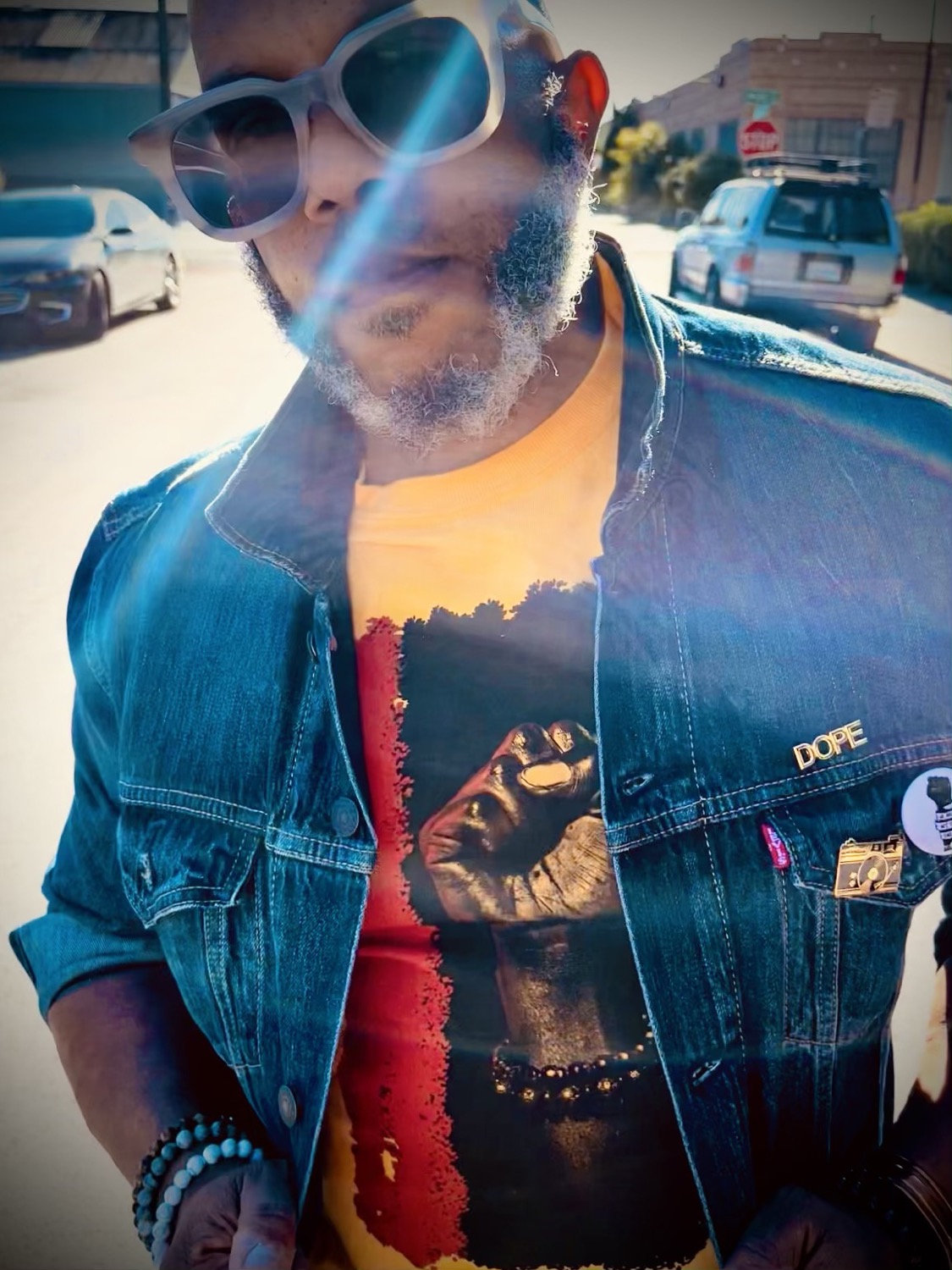
Wardrobe is part of the message, but it should not become the entire message. Clean lines, intentional fit, and colors that work with your complexion tend to photograph well. A jacket, structured shirt, elevated knit, or simple blouse can create a polished foundation. For creative professionals and founders, a more fashion-forward look may make sense, especially if it aligns with the way your brand already shows up.
Avoid choosing clothing only because it feels traditionally professional. If you never wear a suit, forcing one into your headshot can make the image feel like a costume. On the other hand, a casual look still needs to read as considered. Wrinkled fabric, overly busy patterns, visible logos, and poorly fitted layers can pull attention away from your face.
Bring options when possible. A subtle change in jacket, neckline, or color can create useful variety without turning the session into a full wardrobe production. The best choice depends on your industry, audience, and how you want people to describe you after seeing the image.
Professional Headshot Quality Is More Than Equipment
A high-end camera helps, but equipment alone does not create a professional headshot. The same is true of a clean background. A blank wall can be effective, yet it will not solve poor posing, weak light, or an expression that feels guarded.
Professional quality comes from a photographer making decisions in real time. They notice when one side of a jacket sits higher, when a chin needs to come forward slightly, or when a hand position creates tension in the shoulders. Those small adjustments separate a photo that is merely sharp from one that feels composed and confident.
Composition keeps the focus where it belongs
In most headshots, your face should be the visual center. The crop should feel intentional, with enough space around your head and shoulders to suit the platform where the image will appear. LinkedIn profile photos, company team pages, magazine submissions, and personal websites may all use different dimensions, so it helps to plan for that before the session.
Backgrounds should add context or visual polish without competing for attention. A solid studio backdrop offers flexibility and consistency. An environmental portrait in Oakland, San Francisco, or another Bay Area location can bring in personality and place, which may be ideal for an entrepreneur, designer, or artist. The trade-off is that location-based images require more control over distractions, weather, and changing light.
The composition should also leave room for practical use. If a marketing team needs to add text beside your image, a wider crop may be more useful than a tight portrait. A photographer who understands branding will think beyond one final square profile image.
Retouching should look invisible
Professional retouching is refinement, not erasure. It can reduce temporary blemishes, soften distracting shine, clean up stray hairs, and balance color. It should not remove every line, pore, or trace of personality from your face.
Over-retouching can make a headshot look dated or untrustworthy. Skin that appears plastic, eyes that are overly brightened, and facial features that have been reshaped too heavily often draw more attention than the original details ever did. The goal is a polished final image that still feels human at full size and on a phone screen.
If you are investing in a new headshot after a major change in appearance, be honest about it. Updating your image after changing your hair, glasses, facial hair, or personal style is usually better than trying to edit an old photo into looking current.
The Session Experience Shows Up in the Image
Most people are not comfortable being photographed on command. That is normal. A professional headshot session should create enough structure to make you feel prepared and enough ease to let your personality come through.
Preparation helps. Get enough rest, arrive with your clothes steamed, and give yourself time so you are not walking into the session rushed from traffic or a meeting. If makeup is part of your routine, consider a camera-ready version that still looks like you. If it is not, you do not need to become someone else for the photo.
During the session, direction should be specific and useful. “Relax” is rarely enough. Clear guidance such as lowering a shoulder, shifting your weight, turning slightly, or taking a breath between frames gives you something practical to do. That is how natural confidence is built on camera.
At MooD-ology Photography, the aim is not to force every client into one house style. It is to create refined, expressive images that make sense for the way you work, create, and move through the world. A corporate headshot can have polish without feeling generic. A creative portrait can have personality without losing professional focus.
When a Professional Headshot Needs More Personality
The classic neutral-background headshot remains useful, especially for corporate directories, legal profiles, and formal organizations. But it is not the only professional option. Many entrepreneurs, consultants, artists, speakers, and small-business owners benefit from a personal branding approach that includes a few different images: a clean headshot, a slightly wider portrait, and photographs that show them in their workspace or creative environment.
The decision comes down to context. If your clients hire you because of your expertise alone, a straightforward headshot may be enough. If they hire you because of your point of view, aesthetic, and personal connection, a more art-directed image can communicate more before the first conversation.
A professional headshot is not about looking flawless. It is about looking prepared to be seen. Choose an image that makes the right introduction, then let your work carry the conversation forward.


Comments