

15 Best Wedding Photo Moments to Plan For
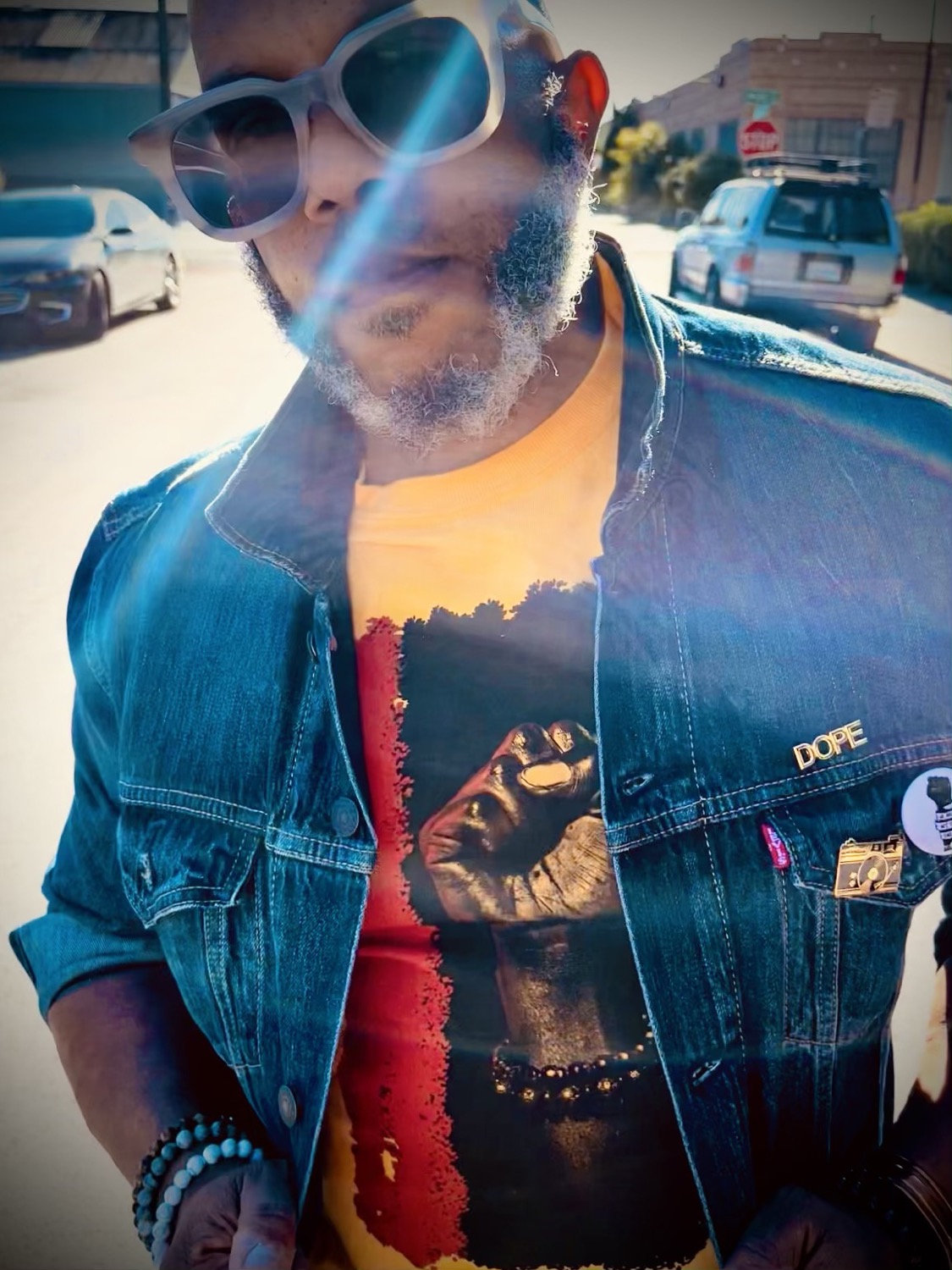
A wedding gallery should feel like more than proof that the day happened. The best wedding photo moments hold the energy, style, nervous laughter, and quiet connection that made the celebration yours. Some happen on a timeline. Others appear in the half-second after the formal pose, when everyone relaxes and something real takes over.
The goal is not to stage every emotion. It is to build enough intention into the day that your photographer can see and photograph it well. That means protecting time, choosing locations with purpose, and knowing which moments deserve your full attention.
The Best Wedding Photo Moments Are Not All Posed
The strongest wedding images move between editorial polish and honest documentary coverage. A beautifully directed portrait can belong beside a photo of your grandmother watching the ceremony or your best friend losing it during a toast. One is not more meaningful than the other. They do different work in the story.
For Bay Area weddings especially, light and logistics can change quickly. A San Francisco rooftop, Oakland venue, Berkeley garden, or waterfront ceremony may look completely different from one hour to the next. A flexible plan gives you a polished visual direction without turning your wedding into a production set.
15 Wedding Moments Worth Making Space For
Before the ceremony
1. The room before everyone is dressed. Photograph the dress, suit, rings, invitation suite, shoes, flowers, and personal details while the space is still calm. These images establish the visual language of the day, but they also preserve the choices you spent months making.
2. Getting ready with your people. The best frames are rarely everyone staring at the camera. Look for the friend fastening a cufflink, a parent smoothing a veil, someone reading a card out loud, or the sudden laughter that breaks the nerves. Keep the getting-ready space as uncluttered as possible, and let in window light when you can.
3. A first look with a parent, sibling, or wedding party. A first look is not only for couples. Seeing a parent take in the full look for the first time can be one of the most emotionally direct photographs of the day. It works best when it is private enough for a real reaction, but still has room for the photographer to move.
4. The couple's first look, if it fits your day. This is a choice, not a requirement. A first look creates private time together and can open up the portrait schedule before the ceremony. Waiting until the aisle creates a different kind of anticipation. Choose the version that feels right for you, not the one a checklist says you need.
During the ceremony
5. The walk toward the ceremony. Whether you enter alone, with a parent, or hand in hand, this moment holds focus and momentum. A good photograph captures your expression, the faces waiting for you, and the atmosphere of the space. It is worth discussing the aisle layout with your photographer so there is a clean angle without interrupting guests.
6. The reaction at the altar. Couples often remember their own walk down the aisle as a blur. The reaction waiting at the end gives the moment its emotional counterpoint. This is where anticipation becomes visible.
7. Hands, glances, and unscripted ceremony details. The exchange of rings matters, but so do smaller gestures: fingers intertwined during vows, a deep breath before speaking, a tear wiped away, a shared look after the officiant says something unexpectedly funny. These are often the images that feel most personal years later.
8. The first kiss and the immediate celebration. The kiss is iconic, but do not stop there. The second after it can be even better: the relieved smile, the embrace, the raised hands, or the wedding party reacting behind you. Walk back down the aisle slowly enough to take it in. That gives the moment room to breathe and creates stronger photographs.
Portraits with presence
9. The just-married portrait window. Reserve 20 to 30 minutes for portraits after the ceremony, or split the time between earlier coverage and golden hour. This is your chance for images that feel elevated and intentional, with direction that still leaves room for you to be yourselves. You do not need to perform romance. You only need to stay present with each other.
10. Movement in your wardrobe. A wedding outfit is designed to be seen in motion. Walk, turn, adjust a jacket, hold the train, or let the veil catch the wind. These images bring a fashion-forward quality to the gallery and keep portraits from feeling overly static.
11. The portraits you will actually print.Family formals may not feel glamorous in the moment, but they become part of the visual record for generations. Keep the grouping list focused. Prioritize immediate family, grandparents, chosen family, and anyone whose presence carries real weight. The trade-off is simple: more combinations mean more time away from the celebration.
The reception at full volume
12. Your entrance into the room. Reception entrances are pure movement, and that energy translates well in photographs. Let the music land. Greet your people. If the room is dark, a photographer who understands flash can preserve the atmosphere while keeping the image crisp and flattering.
13. The first dance, plus the in-between seconds. The formal dance creates a centerpiece image, but the honest frames often happen around it. A whispered comment, a laugh after a missed step, or guests watching from the edge of the floor can say more than a perfectly centered pose.
14. Toasts and the people listening. Photographing the speaker matters. Photographing the reaction matters just as much. The friend who is trying not to cry, the couple exchanging a look, the parent laughing with a napkin in hand - these images show the relationships surrounding the words.
15. The dance floor after everyone lets go. Once the formality drops, the celebration becomes its own visual world. Shoes come off, ties loosen, and the people you love reveal exactly why you invited them. Give your photographer enough time after the opening dances to capture this shift. A packed dance floor often produces the most joyful images of the night.
Protect the Conditions That Make Great Photos Possible
A detailed timeline helps, but it should not become a cage. Build in a few pockets of margin for traffic, wardrobe changes, delayed family members, or a ceremony that runs long. Ten extra minutes can be the difference between rushed portraits and images with real ease.
Light deserves the same consideration. Midday sun can be harsh, especially in open outdoor spaces, while sunset can be beautiful but brief. If you want warm, cinematic couple portraits, schedule a short golden-hour exit from the reception. If your priority is spending every possible minute with guests, plan earlier portraits in open shade and accept a different visual feel. Both approaches can look excellent when the decision is made on purpose.
Communication also changes the photographs. Share family dynamics, cultural traditions, meaningful guests, and any nonnegotiable images before the wedding. A photographer can watch more intelligently when they know that a certain aunt raised you, that a friend is officiating, or that a ceremonial detail happens only once.
At MooD-ology Photography, the approach is to bring art direction where it serves the image and step back when the moment belongs to you. That balance creates photographs with shape, style, and emotional accuracy.
Your wedding does not need more staged moments. It needs enough room for the right ones to happen. Build a day that feels like you, stay close to the people who matter, and let the camera catch the expressions you could never plan.


Comments