

How to Choose Wedding Photo Coverage That Fits
A wedding day rarely moves exactly as planned. A toast runs long, sunlight shifts, a favorite aunt arrives early, or the dance floor suddenly becomes the place everyone wants to be. To choose wedding photo coverage well, start with the moments you refuse to leave to chance - not a package name or a number you saw on someone else’s invoice.
The right amount of coverage gives your day room to breathe. It documents the emotion, design, people, and energy you worked to bring together without turning your celebration into a production schedule. For some couples, that means focused coverage of a ceremony and dinner. For others, it means the full visual story, from the quiet getting-ready hours through the final song.
Choose Wedding Photo Coverage Around Your Priorities
Before discussing hours, identify what you want your photographs to hold onto. The answer is personal. You may care most about fashion-forward portraits, the architecture of your venue, a deeply emotional ceremony, or candid images of the people who made the trip to celebrate with you.
Think about the day in chapters: getting ready, first look, portraits, wedding party and family photographs, ceremony, cocktail hour, reception details, toasts, first dances, open dancing, and exit. You do not need every chapter photographed in the same way. But you should be clear about which ones carry the most meaning.
A couple planning an intimate city hall ceremony followed by a restaurant dinner may need fewer hours than a couple hosting a large, multi-location celebration. Neither choice is more complete. The goal is alignment between your actual day and the photographic story you want afterward.
Ask what would feel like a real omission
Picture receiving your final gallery. What missing image would disappoint you? Maybe it is a portrait with your grandmother before the ceremony. Maybe it is the room before guests enter, the reaction during a parent dance, or the unguarded images from late-night dancing.
Those answers reveal where coverage matters. They also make decisions easier when you are balancing the photography budget against florals, music, attire, or a longer guest list.
Build Coverage From the Timeline, Not the Other Way Around
Photography coverage should support a realistic timeline. It should not force you to compress every meaningful moment into a day that feels rushed. The most common mistake is treating ceremony time as the beginning of photography. By then, much of the visual story has already started.
Getting-ready coverage can include more than makeup and buttoning a jacket. It captures anticipation, the people closest to you, the details you selected, and the emotional contrast before the day opens up. If you are wearing a statement look, getting ready in a visually strong space, or sharing first looks with family or your wedding party, allow enough time for that chapter.
Portraits deserve their own protected space as well. Great wedding portraits are not created by pulling a couple away for 10 minutes while guests wait. A thoughtful portrait window allows for direction, movement, varied settings, and images that feel editorial without looking overly staged. If portraiture is a priority, plan for it before the ceremony, during cocktail hour, or around sunset - ideally with a little flexibility built in.
A practical way to map the hours
Start at the event you want photographed last, then work backward. If you want photographs of open dancing, decide whether that means 30 minutes after the dance floor opens or two full hours of reception energy. If you want a send-off, calculate from that point instead.
Then account for the earlier anchors: ceremony length, travel between locations, family portraits, couple portraits, and any first looks. Add breathing room. Weddings run late more often than they run early, especially in the Bay Area, where traffic, venue access times, and changing light can affect the flow.
A photographer can help refine the timeline, but you should arrive with honest expectations. If your ceremony begins at 4:00 p.m. and you want preparation, a first look, full family photographs, sunset portraits, dinner, toasts, dancing, and an exit, a short collection may create difficult trade-offs.
Know What Different Coverage Lengths Can Do
There is no universal ideal, but understanding the range helps you choose intentionally.
Four to six hours can work beautifully for an intimate wedding with one location, limited formal portraits, and a focused reception plan. This is often best when you are comfortable beginning coverage close to the ceremony and ending shortly after key reception events.
Six to eight hours is a strong fit for many traditional wedding days. It can cover meaningful preparation, a first look or pre-ceremony portraits, the ceremony, family photographs, cocktail hour, and the early reception. The exact result depends on travel, guest count, and how long you want your photographer present after dinner.
Eight to 10 hours gives a more complete narrative. It makes room for the quiet opening moments, detailed portraits, the full ceremony experience, reception design, toasts, dances, and real dance-floor energy. It is especially valuable for celebrations with multiple venues, cultural traditions, large families, or a schedule that spans much of the day.
More extensive coverage may make sense for a weekend wedding, a celebration with separate cultural events, or a day that includes extensive travel. In those cases, the question is not simply how many hours you need. It is whether one continuous block of coverage tells the story better than separate planned segments.
Protect the Moments That Cannot Be Repeated
Some events can be recreated. You can step back into a beautiful lobby for another portrait. You can photograph rings and stationery later if needed. But a parent seeing you dressed for the first time, a spontaneous speech reaction, or the way your friends respond to the first song happens once.
This is why cutting coverage at the most emotional transitions can feel limiting later. Leaving immediately after the first dance may save an hour, but it also means losing the visual shift from formal reception to celebration. Starting only at the ceremony may simplify the schedule, but it can leave out the people and atmosphere that shaped the beginning of the day.
That does not mean you need to photograph everything. It means the cuts should be deliberate. If late-night coverage is not meaningful to you, end after the dances. If you prefer a private last dance instead of a public exit, let that be the closing image. Coverage works best when it reflects how you actually want to experience your wedding.
Consider Guest Count, Logistics, and Visual Ambition
A larger guest count does not automatically require more hours, but it often creates more moving parts. Family formals take longer. Greeting guests takes longer. A 200-person reception has more conversations, more reactions, and more energy worth documenting than an intimate dinner for 25.
Logistics matter just as much. A hotel suite in San Francisco, a ceremony in Berkeley, and a reception across the bay can look excellent in photographs, but travel time has to be real time in the schedule. The same applies to venue stairs, shuttle timing, restricted access, and locations that require a walk between portrait areas.
Your visual ambition belongs in the conversation too. Couples who want clean documentary coverage may need a different plan than couples who want elevated, art-directed portraits with a fashion sensibility. Both approaches benefit from time, but directed portraiture requires the freedom to slow down, adjust, and create rather than simply record what is already happening.
Decide Where an Extra Hour Has the Most Value
If you are close to your budget, an additional hour can often make more difference than a long list of minor upgrades. The best place to add it depends on your priorities.
An hour at the beginning can protect getting-ready photographs and eliminate a rushed first look. An hour in the middle can create space for portraits without sacrificing cocktail hour. An hour at the end can capture toasts, dances, and the point when guests fully relax.
Ask your photographer to show you what each option changes in the timeline. You are not only buying more images. You are choosing where the day gets to feel unhurried.
Let Your Coverage Support the Experience
The strongest wedding photographs usually come from a day that felt lived, not constantly managed. Give the people you love time to be with you. Leave space to eat, breathe, look around the room, and take in the fact that your wedding is happening.
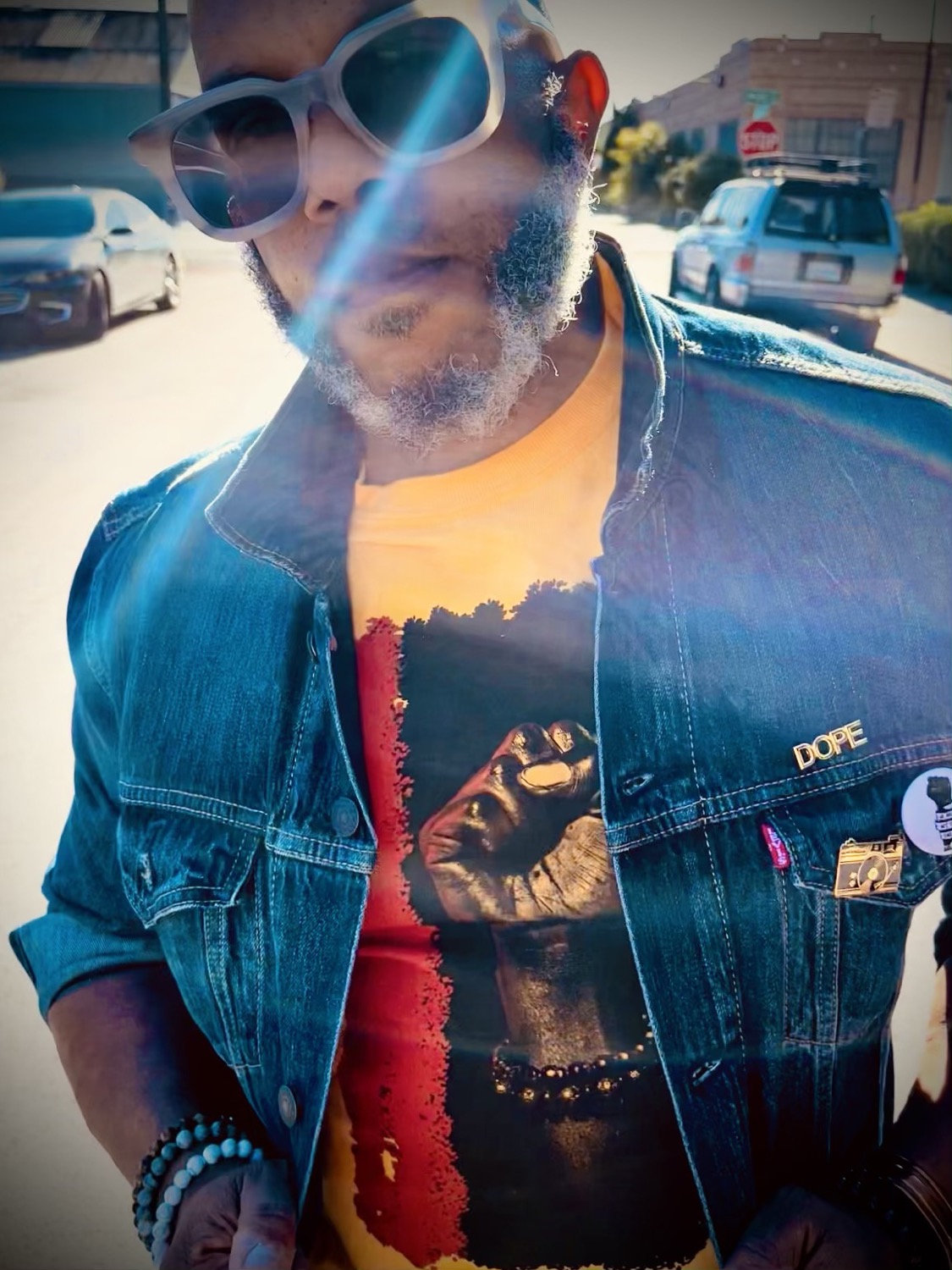
MooD-ology Photography approaches wedding coverage with the same balance of direction and instinct that defines its portrait work: polished images, expressive energy, and attention to what is unfolding in front of the camera. Your coverage should create room for that kind of work while keeping the day centered on you.
Choose the hours that protect your nonnegotiable moments, then trust the plan enough to stay present. The photographs will carry the proof of what the day looked like. Your experience is what will give them their feeling.


Comments