

12 Entrepreneur Branding Photo Examples That Work
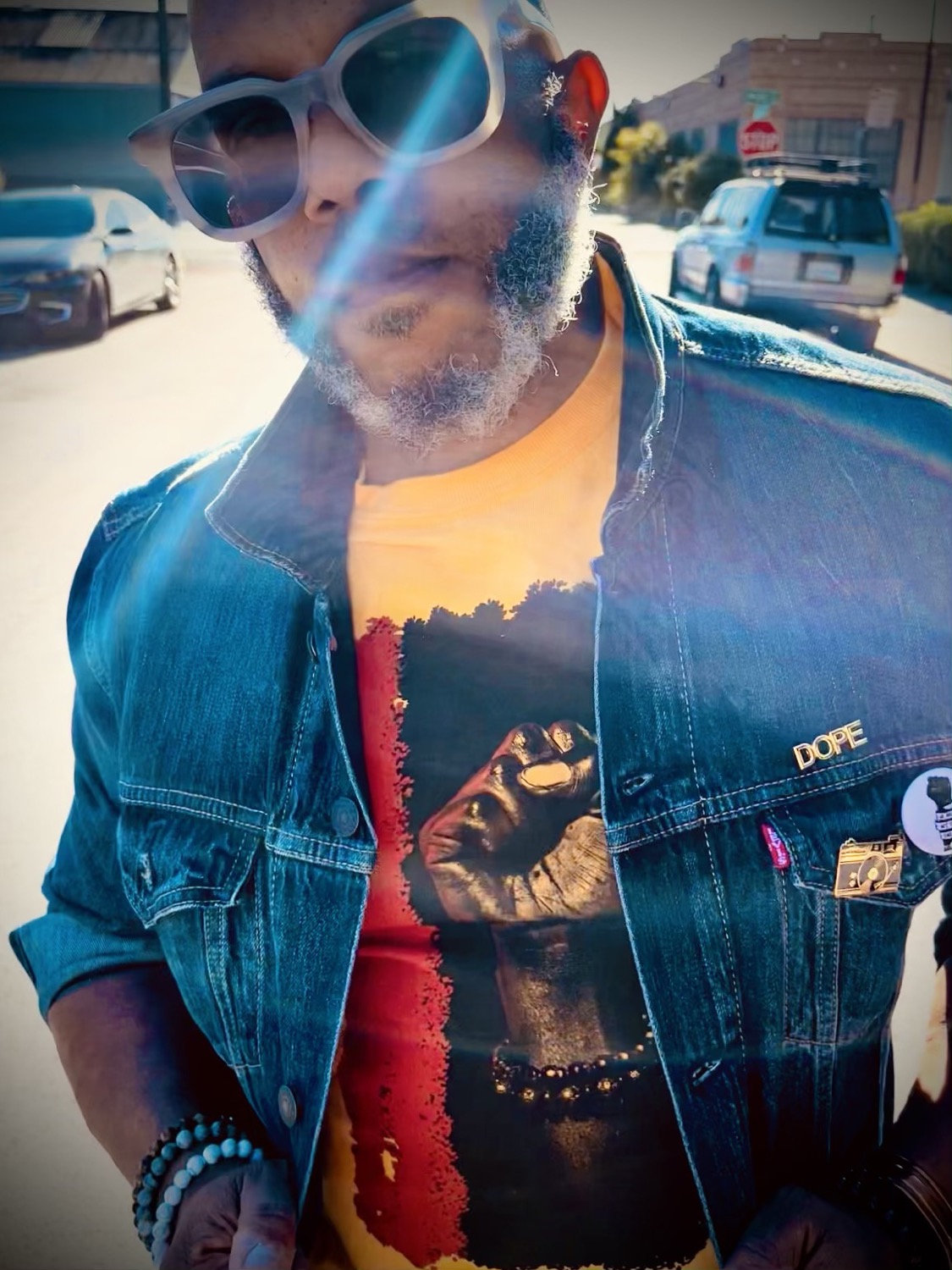
A strong founder photo does more than prove you showed up for a shoot. The best entrepreneur branding photo examples make a client feel they understand your standards, energy, and point of view before the first call. For a Bay Area business owner, that matters when your website, LinkedIn profile, pitch deck, press feature, and social presence are all making introductions on your behalf.
Branding photography is not a collection of random portraits in different outfits. It is a planned visual system: images with a job to do, styled around the way you work and the people you want to reach. The right direction can feel polished without looking stiff, and personal without turning your business into a personality contest.
What Makes a Branding Image Useful
A compelling image has a clear role. It may establish authority on an About page, show a product in use, make a newsletter feel more human, or give a speaker announcement enough presence to stop a scroll. That is why a single close-up headshot, even a great one, cannot carry an entire brand alone.
Before choosing a visual direction, consider where the images will live. A strategy consultant may need clean horizontal compositions with negative space for website copy. A chef, stylist, designer, or maker may need movement and detail. A founder with a premium service business may benefit from editorial portraits that signal taste and confidence. The goal is not to imitate another entrepreneur's feed. It is to create images that make your offer more believable.
12 Entrepreneur Branding Photo Examples to Plan
1. The direct-to-camera founder portrait
This is the anchor image: composed, relaxed, and unmistakably you. Use it for LinkedIn, your website bio, media requests, and professional directories. A direct gaze works especially well when trust is central to the sale, such as consulting, financial services, law, coaching, real estate, or healthcare-adjacent work.
Keep the background intentional. A studio backdrop can feel sharp and elevated; a workspace can add context. What matters is that the setting does not compete with your expression.
2. The working-at-your-desk frame
A desk portrait communicates focus and gives a website an immediate sense of how you operate. It works best when the desk actually reflects your process: reviewing concepts, sketching, writing, editing, mapping strategy, or meeting with a client remotely.
Avoid staging a generic laptop scene just because it looks entrepreneurial. If your business is hands-on, show the tools that make your work specific.
3. The in-motion arrival shot
Walking into a meeting, moving through a studio, stepping out of a car, or crossing a city block can bring energy to a brand gallery. These frames are useful for social announcements, speaking engagements, launch campaigns, and page headers where a static pose would feel flat.
Movement needs direction. The wardrobe, location, and body language should all support the same message. A tailored look in downtown Oakland can read differently than relaxed workwear inside a bright creative space. Neither is better. It depends on your client and price point.
4. The client conversation
For service-based entrepreneurs, a well-composed consultation image makes the experience of working with you tangible. It can show you listening, presenting ideas, reviewing materials, or guiding a decision. Potential clients are often trying to answer one quiet question: Will I feel capable and supported in this room?
Use real interaction when possible. A staged conversation can still work, but it should look natural rather than like a stock photo recreation.
5. The hands-at-work detail
Hands can tell a precise story without requiring a full portrait. Photographing a founder arranging flowers, adjusting fabric, marking a drawing, packaging an order, preparing a treatment room, or setting up equipment gives viewers evidence of craft.
These images are valuable between larger portraits. They give designers flexible assets for web sections, carousels, brochures, and email headers while keeping the visual story grounded in real work.
6. The product in context
If you sell a physical product, photograph it in the environment where it becomes meaningful. A candle belongs in a considered interior, not only against a blank sweep. A wellness product may belong in a morning routine. A food brand may need texture, hands, and the moment just before someone takes a bite.
The product should remain legible. Editorial styling is powerful, but if the label is hidden and the use is unclear, the image may be beautiful without doing business for you.
7. The environmental portrait
An environmental portrait places you inside a location that supports your expertise. An architect in a project space, a founder in a retail storefront, a producer in a studio, or a fitness professional in a training environment gains immediate context.
Choose the location carefully. It should feel like an extension of your brand, not a borrowed backdrop. Strong natural light and clean lines help, but character matters more than perfection.
8. The editorial statement image
Every entrepreneur does not need a fashion-forward portrait. But for creatives, public-facing founders, performers, luxury providers, and brands built on taste, one editorial statement image can set the entire visual tone. Think stronger styling, intentional light, bolder posture, and a composition with room to breathe.
This is where an art-directed approach pays off. The image can live on a homepage, campaign cover, magazine pitch, or pinned social post. It should feel memorable, not costume-like.
9. The team-with-the-founder image
If your company has a team, include the people who make the promise real. A group image can reduce the distance between a polished brand and the humans behind it. It also gives potential hires, partners, and clients a clearer read on your culture.
Skip the rigid lineup when it does not fit. A team working through a real task or gathered in a space with purpose often feels more credible.
10. The behind-the-scenes setup
Show the preparation behind the finished result: the lighting test, material selection, inventory check, mood board, room setup, or pre-event walk-through. These photographs are especially effective for businesses where clients only see the final deliverable.
Behind-the-scenes content builds appreciation without requiring a hard sell. It also gives you a steady source of social posts that reinforce expertise over time.
11. The community or local-context image
Bay Area entrepreneurs often build relationships through place. A photo at a neighborhood business, event venue, market, or recognizable work setting can add a sense of connection, especially when your clients value local knowledge.
Use location with restraint. A landmark should support the story, not become the story. The focus stays on your work and the people you serve.
12. The quiet, reflective portrait
Not every brand image needs a smile or a task. A calmer portrait can communicate depth, clarity, and leadership. It may be a seated frame near a window, a profile image in a studio, or a composed moment between actions.
This type of image is particularly useful for founders writing thought leadership, speaking on panels, or leading a business through a transition. It creates room for a more considered message.
Build the Shoot Around Real Business Needs
The strongest branding sessions begin with a practical content map. List the pages and platforms that need images, then match each one to a scene, orientation, and mood. Plan vertical frames for social, horizontal options for website banners, and a few clean portraits with negative space for promotional graphics.
Bring wardrobe with range, but do not overpack. Two or three looks with different levels of formality are often more useful than six unrelated outfits. Solid colors, thoughtful texture, and clothing that fits well will typically photograph better than loud patterns or pieces that need constant adjustment.
A good photographer will also direct posture, hands, expression, and movement so you are not left guessing what to do. At MooD-ology Photography, the aim is not to make every entrepreneur look the same. It is to create commercial-ready images with enough editorial edge to feel like your brand, not a template.
Let the Images Age Well
Branding photos should have a point of view, but they should not be trapped by a short-lived trend. Heavy filters, overly specific props, and forced poses can date quickly. A more durable approach pairs intentional styling with real work, clear expressions, and locations that genuinely belong to your business.
You do not need to reveal every part of your life to create a personal brand. Show enough of your process, standards, and personality for the right clients to recognize a fit. Then give them an easy next step: a clear offer, a current website, and imagery that makes reaching out feel like the natural move.


Comments