

Image Licensing Guide for Brands and Creatives
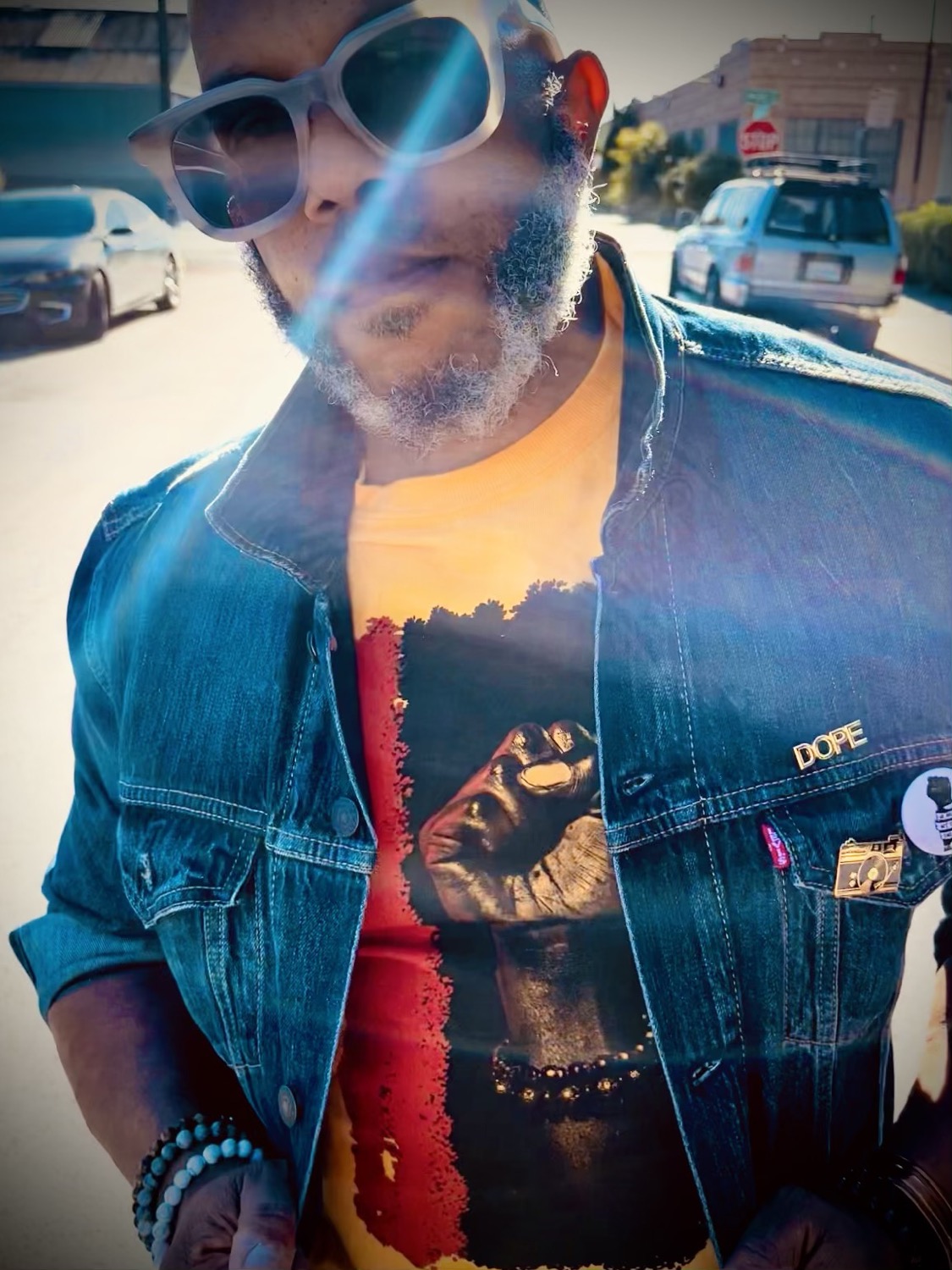
A polished image can do real work: introduce your brand, earn a click, make a pitch deck feel credible, or turn a wedding memory into something worth framing. But receiving a gallery does not automatically mean you can use every photo anywhere, forever. This image licensing guide explains what you are actually receiving when you hire a photographer, so your images can move confidently from a studio session to the places your audience sees you.
What Image Licensing Actually Means
Photography copyright usually belongs to the photographer who created the image. Licensing is the photographer giving you permission to use that image in specific ways. Think of it as defined usage, not ownership transfer.
That distinction matters because a headshot used on LinkedIn is a different use from the same image appearing in a paid advertising campaign, on product packaging, or in a national magazine. The image may be identical, but its reach, commercial value, and distribution are not.
A clear license protects both sides. You know what you can publish, where you can publish it, and for how long. The photographer can protect the work from being repurposed in ways that were never priced or approved. For clients, clarity also prevents a frustrating last-minute scramble when a marketing team needs an image for a new campaign.
Image Licensing Guide: The Terms That Matter
Licensing language can sound legal, but the core questions are practical. Before a session or before publishing an image, look for the answers to these terms.
Commercial use versus personal use
Personal use covers uses connected to your life rather than revenue-generating promotion. This may include printing photographs for your home, sharing wedding images with family, or posting portraits to personal social media accounts.
Commercial use supports a business, organization, product, service, or professional reputation. A founder using images on their website, a consultant updating LinkedIn, a musician promoting a release, and a retailer running an ad are all using photography commercially. Commercial does not only mean a major billboard campaign. It can include a simple email newsletter or a paid social post.
For many professionals, the line can blur. If you are a stylist who posts a portrait on Instagram, that may feel personal, but it may also support your business. The right answer depends on the license and the purpose of the post. Ask before assuming.
Editorial use versus advertising
Editorial use generally supports storytelling, reporting, commentary, or publication content. For example, a magazine may license a portrait to accompany an interview. Advertising use promotes a product, service, event, or brand, such as an ad campaign, sponsored post, sales page, or flyer.
The difference is not always obvious. A feature about your company in a publication may be editorial. Reposting that feature as a paid ad is advertising. If an image is moving from press coverage to promotion, confirm that the license supports the new use.
Duration, territory, and media
A license can be limited by time, geography, and placement. A one-year license may cover the image for 12 months. A U.S.-only license may not cover a global campaign. A digital-only license may allow use on your website, email, and social channels but not in print, outdoor advertising, broadcast, or packaging.
For a local Oakland business updating its website and social presence, broad digital usage may be exactly what is needed. For a Bay Area brand preparing a regional transit campaign or a national retail launch, usage needs to be more specific. The larger the audience and investment behind the placement, the more important the details become.
Exclusive and nonexclusive licenses
A nonexclusive license means the photographer may continue to use the image and may license it elsewhere, subject to any agreements in place. This is common for portraits, headshots, and many brand sessions.
An exclusive license limits the photographer's ability to license the image to others within the agreed scope. Exclusivity can matter when a recognizable model, a signature location, or a campaign concept could appear for a competitor. It often costs more because the photographer is giving up future opportunities connected to that image.
Exclusivity is not automatically better. If you simply need strong personal branding images, an exclusive arrangement may not add value. If you are launching a high-visibility campaign in a competitive category, it may be worth discussing.
The License Is Not the Same as a Photo Release
Clients often hear the word “release” and assume it covers everything. It does not.
A photo license addresses permission to use the photographer's copyrighted work. A model release addresses a person's permission for their likeness to be used, particularly in commercial contexts. A property release may be needed when private property, distinctive interiors, artwork, or restricted locations appear in the image.
This matters most for businesses. If you hire a photographer to capture a team event, your company may need releases from employees or attendees before using their faces in advertising. If a campaign includes a venue, product design, or artwork that belongs to someone else, additional clearance may be needed.
For personal portrait and wedding clients, the situation is often simpler, but it is still wise to understand what your agreement says about the photographer's portfolio, website, social media, or publication submissions. If privacy is essential, raise it before the session, not after the gallery is delivered.
Match the License to the Real Job
The best time to discuss usage is before the camera comes out. A photographer can plan, price, and document the work properly when they understand where the photographs are headed.
If you are booking a headshot, explain whether it is for LinkedIn, a company bio, press outreach, speaking engagements, or an executive announcement. If you are commissioning a branding session, mention your website refresh, paid media, product launch, print collateral, and any agencies that may need access to the files. If you are planning fashion imagery, clarify whether the work is portfolio-driven, editorial, e-commerce, or a campaign for a label.
At MooD-ology Photography, the work often sits at the intersection of expressive portraiture and commercial-ready visuals. That makes the intended use especially useful information. A creative direction built for an editorial portfolio may need a different plan than a collection of brand assets designed for a multi-channel launch.
Do not minimize your plans to keep the conversation simple. A professional photographer would rather build the correct license from the start than revise permissions after a campaign has already been designed.
Common Uses That Need a Second Look
Some uses are routinely misunderstood because they seem like natural extensions of receiving final images. They are not always covered by a standard session agreement.
Using a photo in paid advertising, handing files to a third-party publication, submitting images to stock libraries, selling prints or merchandise, applying a heavy AI edit, and entering an image into a contest can all require separate permission. The same is true when a partner, sponsor, franchise, or employer wants to use your photo. Your personal license may not automatically transfer to another organization.
Cropping for a social format is usually a practical request, but major alterations deserve a conversation. Changing the color treatment, combining the image with generated elements, removing people or objects, or using the photograph to imply an endorsement can affect the integrity of the work and the rights of everyone pictured.
When in doubt, send a short, specific request: where the image will appear, whether it is paid or unpaid, the territory, the duration, and who will publish it. That is faster than trying to interpret a contract from memory.
Keep Your Files and Permissions Organized
A strong image library is not only about beautiful folders. It is also about knowing what is approved. Save your signed agreement, invoice, final license language, model releases, and any written permission for expanded usage in one place. Name folders by project and date, then note usage limits in a simple internal document.
This becomes valuable when a new marketing coordinator joins your team or an agency requests assets months later. Instead of asking, “Can we use this?” after the campaign is already in production, your team can make a clean decision early.
Avoid sending high-resolution files casually to vendors, collaborators, or friends without context. Include the approved purpose when you share them. Good stewardship protects your investment in the photography and respects the people who made the image possible.
Ask Before You Assume
A well-written license should make your next move feel easy, not restrictive. Read it before publishing, ask direct questions when the scope changes, and treat your images as the valuable brand assets they are. The strongest creative work holds up over time. Make sure your permission to use it does too.


Comments