

Creative Direction for Photo Shoots That Land
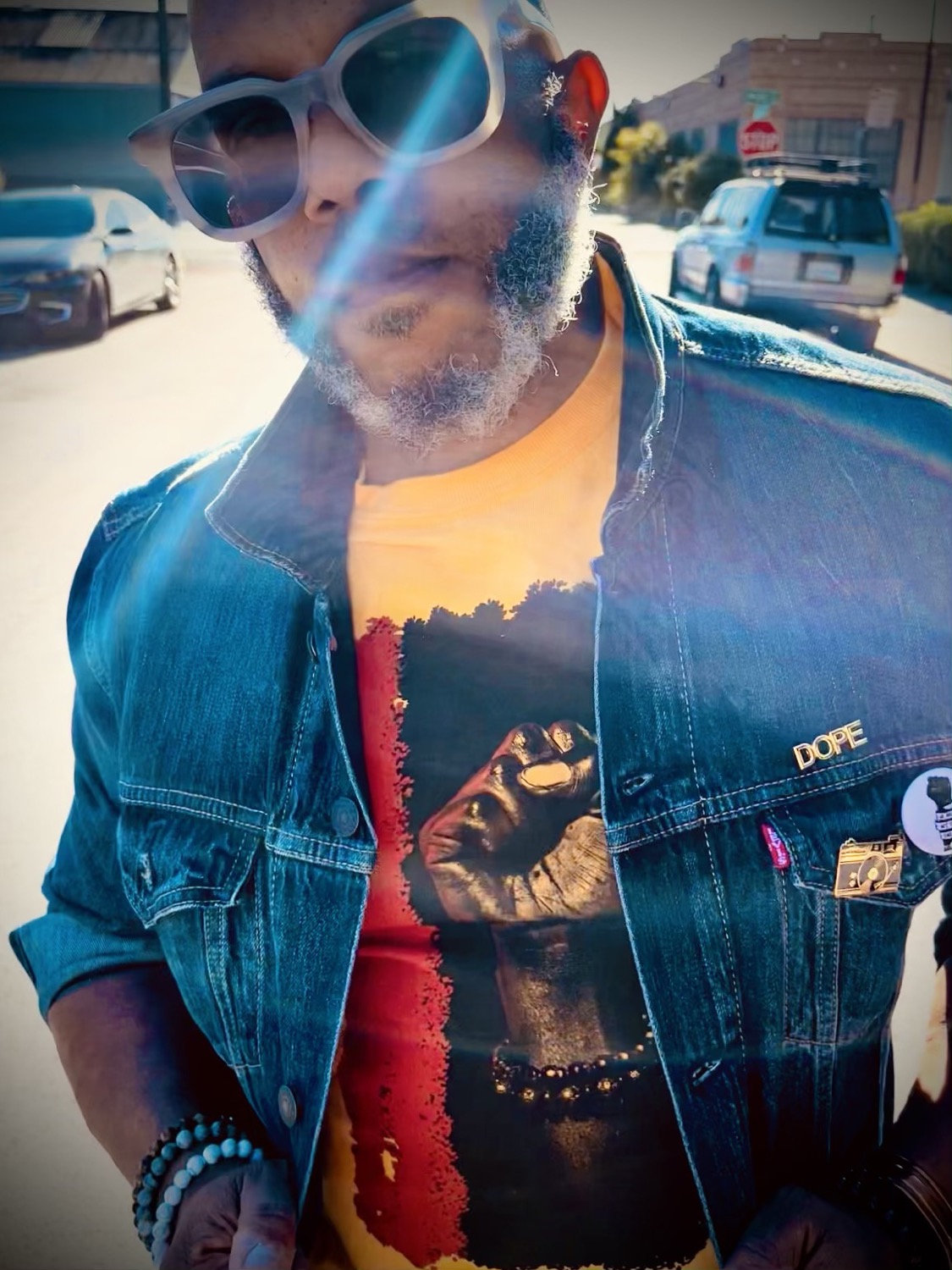
A strong image is rarely an accident. The difference between photos that simply look good and photos that feel unmistakably yours is often creative direction for photo shoots. It gives every decision - wardrobe, lighting, location, pose, expression, framing, and retouching - a shared purpose.
For a founder refreshing a brand, an actor updating a portfolio, or a couple planning wedding portraits, the goal is not to pile on visual ideas. It is to make a few intentional choices that create a clear point of view. When the direction is right, the final gallery feels cohesive while still leaving room for personality.
What Creative Direction for Photo Shoots Actually Does
Creative direction translates a need into a visual system. You may know that you need new headshots, campaign imagery, editorial portraits, or fashion-forward content. That is the brief. Direction answers the more useful questions: What should people feel when they see these images? What do these photos need to say before anyone reads a caption? What visual choices will make that message believable?
For a financial consultant, the answer may be composed, intelligent, and approachable. For a musician, it may be bold, textured, and slightly unexpected. For a skincare founder, it could be clean, warm, tactile, and credible. Each direction calls for a different treatment, even if all three shoots happen in the same Oakland studio.
This is why a mood board alone is not creative direction. References are useful, but they are raw material. Direction is the edit. It identifies what matters in those references: perhaps the hard side light, relaxed posture, muted palette, close crop, or sense of movement. It also identifies what does not belong.
Start With the Intended Use
Before discussing aesthetics, define where the photographs will live. Images made for a website banner need different composition than images made for LinkedIn, a press feature, an album cover, or a vertical social campaign. A single shoot can serve several uses, but only if that plan is established before the camera comes out.
A brand session may need horizontal images with negative space for web copy, vertical portraits for social posts, close details for product storytelling, and direct-to-camera frames for a founder bio. If every shot is framed tightly and vertically because it looked great in the moment, the client can leave with a beautiful gallery that is less functional than it should be.
Use this part of the planning process to establish priorities. Ask which images need to work hardest, what platforms are most important, and whether the visual identity needs to last for months or support a short-term launch. Timeless imagery usually benefits from a restrained treatment. A campaign can take more risk with color, styling, props, and location.
Build a Concept With a Point of View
The best concepts can be stated in one or two direct sentences. “Modern founder portraits with a grounded, tactile feel” is more useful than “professional but fun.” “High-fashion movement against industrial architecture” gives a team something visual to work from. The concept does not need to be complicated. It needs to be specific enough to guide decisions.
From there, choose a visual vocabulary. Consider color temperature, contrast, texture, setting, and energy. A clean white cyc wall creates a different impression than deep shadow, a sunlit loft, or a street location with layered concrete and metal. None is automatically better. The right environment is the one that supports the story without competing with the subject.
Wardrobe belongs in the concept, not at the end of the checklist. Clothing changes the line of the body, the mood of the frame, and the visual hierarchy. A structured blazer might reinforce authority, while a flowing garment creates motion and softness. Strong style does not always mean loud style. Often, the better choice is a look that reads clearly at thumbnail size and stays relevant after the trend cycle moves on.
When clients bring inspiration, look for patterns instead of copying individual photographs. Recreating someone else’s exact set, pose, or edit can feel forced because it was built around a different face, brand, location, and purpose. Pull the underlying qualities from the reference, then tailor them to the person in front of the lens.
Turn the Concept Into a Shoot Plan
A polished shoot has structure behind it. That does not mean every frame is scripted. It means the team knows what has to be accomplished and can make creative decisions without losing time.
Start by mapping the shot families: hero portraits, natural lifestyle images, detail images, movement frames, alternate wardrobe looks, and any must-have deliverables. Four or more categories are worth writing down because they protect the session from becoming a string of disconnected poses. The plan should also account for hair and makeup timing, outfit changes, travel between locations, and the time needed to reset lighting.
Light is one of the biggest creative choices. Soft, even lighting is reliable for polished headshots and beauty work because it keeps attention on the subject. Harder directional light can create drama, shape, and an editorial edge. Natural light may feel intimate and immediate, but it can change quickly. Studio lighting offers control, though it asks for more deliberate setup. The decision depends on the desired mood and the demands of the final use.
Props can be useful when they reveal something real: a chef’s tools, a designer’s materials, a musician’s instrument, or the objects that shape an entrepreneur’s workday. Decorative props with no connection to the story often date the imagery and pull attention away from the subject. If an element does not strengthen the concept, remove it.
Direction Should Make People Look More Like Themselves
Most clients are not professional models, and they do not need to be. Good direction creates comfort, movement, and awareness without making someone perform a personality that is not theirs.
Rather than saying “be natural,” give usable prompts. Shift weight to one foot. Turn the shoulder slightly. Let the hands have a job. Look past the camera as if you have just noticed someone you know. Take one slow step forward. These adjustments create a frame with shape and energy, while allowing the expression to remain genuine.
The same principle applies to groups and couples. A wedding portrait should not feel like a corporate team photo, and a leadership team should not look like they were dropped into a fashion campaign without context. The direction needs to match the relationship, the setting, and the level of polish the client wants. Playful can still be refined. Professional can still have warmth.
At MooD-ology Photography, that balance is central to the process: images are built to meet a real professional or personal need while retaining a distinct visual point of view. The camera captures what is there. Direction helps reveal what should be seen.
Leave Room for What Happens in the Room
Planning matters, but over-planning can make a shoot rigid. Some of the strongest frames arrive when a client relaxes between poses, a garment catches movement, a location offers an unexpected background, or a new idea appears after the original shot list is complete.
Treat the creative brief as a guide, not a cage. Once the essential images are secured, give the session space to evolve. This is especially valuable for creative portraits and fashion work, where spontaneity can bring the most memorable detail into the frame.
There is a trade-off. A highly conceptual shoot has more moving parts, which can raise the need for preparation, budget, and timing. A simpler studio portrait session can be faster and more flexible, but it may rely more heavily on expression, styling, and lighting to create distinction. Neither approach is lesser. The right level of production is the one that serves the message and the intended use.
Edit for Consistency, Not Sameness
Creative direction continues after the shoot. Image selection and retouching determine whether the final collection feels deliberate. Choose photographs that offer variety in angle, expression, and composition while holding onto the same visual identity.
Retouching should support the image rather than erase the person. Skin texture, natural features, and the character of a location can be part of what makes a photograph believable. A clean finish is different from an overly processed one. For brand imagery, consistency in color, contrast, and crop matters because the photos may appear beside one another across a website, deck, or campaign.
The strongest photo shoots begin with a clear idea, then make room for the human presence that no mood board can predict. Bring the references, communicate what the images need to accomplish, and let the direction do its job: turn a session into work people remember.


Comments