

Best Outfits for Branding Photos That Work
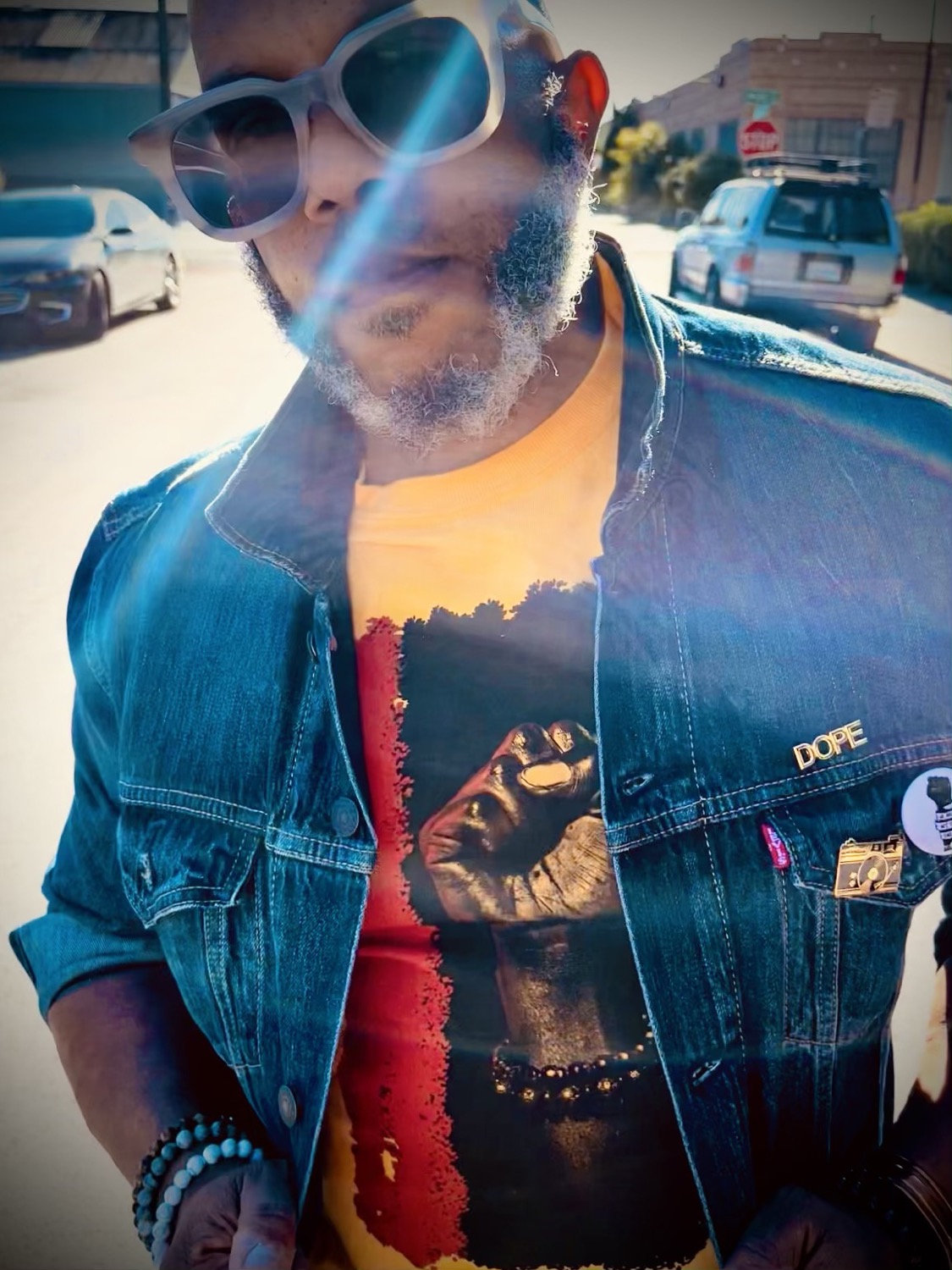
A branding session can give you a month of social content, a sharper website, a stronger LinkedIn presence, and images that make people trust your work before they meet you. That is why choosing the best outfits for branding photos is not a last-minute wardrobe question. It is part of the creative direction.
Your clothing should make the right impression quickly: capable, polished, recognizable, and like yourself on a very good day. The goal is not to wear the trendiest look in the room. It is to choose pieces that support your brand, photograph well, and give you enough variety to use your final images across different platforms.
Start With the Version of You Clients Need to See
Before pulling clothes from the closet, think about where your images will live and what they need to communicate. An attorney, a wellness founder, a creative director, and a DJ may all want elevated branding photos, but their visual language is different.
Ask yourself three direct questions: What do I want people to feel when they land on my page? What level of formality does my work require? What would I naturally wear when I am at my most confident with a client?
For some professionals, that answer is a tailored blazer, clean trousers, and a crisp shirt. For others, it is a structured jumpsuit, premium knitwear, or a fashion-forward set with strong shape and texture. Your session should look intentional, not like you borrowed someone else’s idea of success.
A good rule: dress one level above your everyday work uniform. If you usually work in casual basics, reach for refined versions of those basics. If you already lead meetings in tailored looks, bring the suit, but style it in a way that feels current and personal.
Best Outfits for Branding Photos Begin With Fit
Fit is more visible on camera than most people expect. A beautifully made jacket that pulls at the buttons, pants that bunch heavily at the ankle, or a shirt with a collapsing collar can distract from an otherwise strong portrait. You want clothes that skim and define your shape without feeling restrictive.
Try everything on a few days before the session, not an hour before you leave. Sit down, stand up, lift your arms, and turn sideways. Branding photographs are rarely limited to one straight-on pose. You may be walking, working at a desk, leaning against a wall, holding a product, or gesturing while you speak. Your outfit needs to move with you.
Tailoring makes a meaningful difference. Hemmed pants, sleeves that hit at the wrist, and a jacket that fits cleanly through the shoulders create a more finished image than an expensive piece with an awkward fit. If a garment requires constant adjusting, leave it out of the session plan.
Use Color With Purpose
Color directs attention, establishes mood, and helps your photos feel consistent with your business. You do not have to wear only neutrals, but you should know what a color says before making it the center of the frame.
Black, charcoal, navy, cream, camel, olive, chocolate, and soft gray are reliable because they stay sophisticated and are easy to mix across multiple looks. Jewel tones such as cobalt, emerald, burgundy, plum, and deep teal can add energy without overpowering your face. These shades often photograph with more depth than pale pastels or highlighter-bright colors.
If your business already uses a defined color palette, incorporate it with restraint. A brand color might work beautifully in a blouse, dress, tie, pocket square, nail color, or accessory. Wearing your logo color head to toe can look more like a uniform than a personal brand.
Pure white can be striking, especially in a clean studio setup, but it needs thoughtful lighting and styling so it does not lose detail. Very light beige, pale gray, and washed-out pastels can sometimes blend into skin tones or a light background. On the other side, a fully black outfit can be powerful and editorial, though adding texture or a layer helps preserve shape and dimension.
Build Three Looks, Not Three Random Outfits
The strongest branding galleries offer range while still looking like one person and one business. Aim for two or three complete looks that serve different uses.
Your first look should be the anchor: the polished outfit that belongs on your website homepage, LinkedIn profile, speaker bio, press feature, or professional directory. Think tailored, clean, and uncomplicated.
Your second look can be more relaxed and personable. A quality button-down with jeans, a knit set, a polished midi dress, or a shirt with an open collar may work well for behind-the-scenes content, newsletter images, and social posts. This is often the outfit that helps a service-based business feel approachable.
Use the third look to show personality. Bring in a bolder color, distinctive accessory, fashion layer, or outfit that reflects the creative side of your work. A founder with a minimalist business may choose a sculptural black dress. A stylist may go for a standout print. A musician or performer might introduce leather, metallic details, or richer texture. The point is not novelty. It is visual authorship.
Keep the looks connected through a shared color family, similar metal tones, or an overall level of polish. If one outfit is corporate and the next feels like festival wear, the final gallery may be difficult to use as a cohesive brand library.
Choose Texture Over Busy Prints
Solid colors are dependable, but solid does not have to mean flat. Texture gives an image depth, especially in studio portraits and close-up shots. Consider ribbed knits, linen, silk, leather, denim, suiting, matte satin, wool, or a subtle woven pattern.
Small, high-contrast prints can create visual noise or distort on camera. Tiny checks, narrow stripes, micro florals, and dense logos are usually less forgiving than people expect. Large-scale prints can work, particularly for creative brands, but they should not compete with your expression.
If you want pattern, choose one clear statement piece and keep the rest of the look quiet. A patterned blouse under a solid blazer, a graphic dress with simple shoes, or a textured jacket over a neutral base reads far better than several competing elements.
Layers Create More Images From Less Clothing
Layers are one of the easiest ways to create variety without bringing a suitcase. A blazer over a blouse becomes a different look when the blazer comes off. A jacket, overshirt, vest, scarf, or jewelry change can shift the tone of an image quickly.
This approach also gives your photographer more options for direction. A jacket can be draped over the shoulder, buttoned for a formal frame, or removed for a more relaxed portrait. A structured coat can create movement in an outdoor Bay Area shoot. Just avoid layers that are bulky, wrinkled, or difficult to manage.
Bring shoes even if you expect mostly waist-up photographs. Full-length frames, walking shots, and seated poses happen more often than clients anticipate. Shoes should be clean, aligned with the outfit, and comfortable enough to stand in. Save brand-new shoes for another day unless you have already tested them.
Details Matter More Than You Think
Your hands, neckline, hair, glasses, jewelry, and grooming all enter the frame. Choose accessories that look intentional but do not announce themselves before you do. One watch, a pair of earrings, a simple chain, or a signature ring may be enough.
Glasses are part of your identity if you wear them regularly, so bring them. Clean the lenses thoroughly and, if possible, avoid frames with heavy glare-prone coatings. For makeup, aim for camera-ready polish rather than a completely different face. Matte or satin finishes tend to hold up better than very shiny skin products under studio lighting.
Steam or press every garment before the session. Remove lint, check for pet hair, and keep labels, hangers, and spare undergarments organized. Nude, seamless undergarments are often the safest choice beneath light fabrics or fitted clothes. These small preparations protect the time you have in front of the camera.
Let the Location Help Make the Decision
A white studio background, a moody editorial set, an Oakland street location, and a modern office each ask something different from your wardrobe. Clean, structured pieces tend to stand out well in studio portraits. Earthy tones, denim, and layers can feel at home in outdoor settings. If your shoot includes your workspace, choose looks that complement the environment without disappearing into it.
This is where art direction matters. At MooD-ology Photography, the session can hold both commercial clarity and creative edge, so your wardrobe should leave room for each. Share your business type, intended platforms, and visual references before the shoot. The more clearly the creative plan is set, the easier it is to make smart wardrobe choices.
The right outfit does not need to transform you into someone else. It should make it easier for your audience to recognize your expertise, your taste, and the confidence behind your work. Bring clothes that fit, feel good, and give you range. Then show up ready to be seen.


Comments