

Photos for Business Website That Build Trust
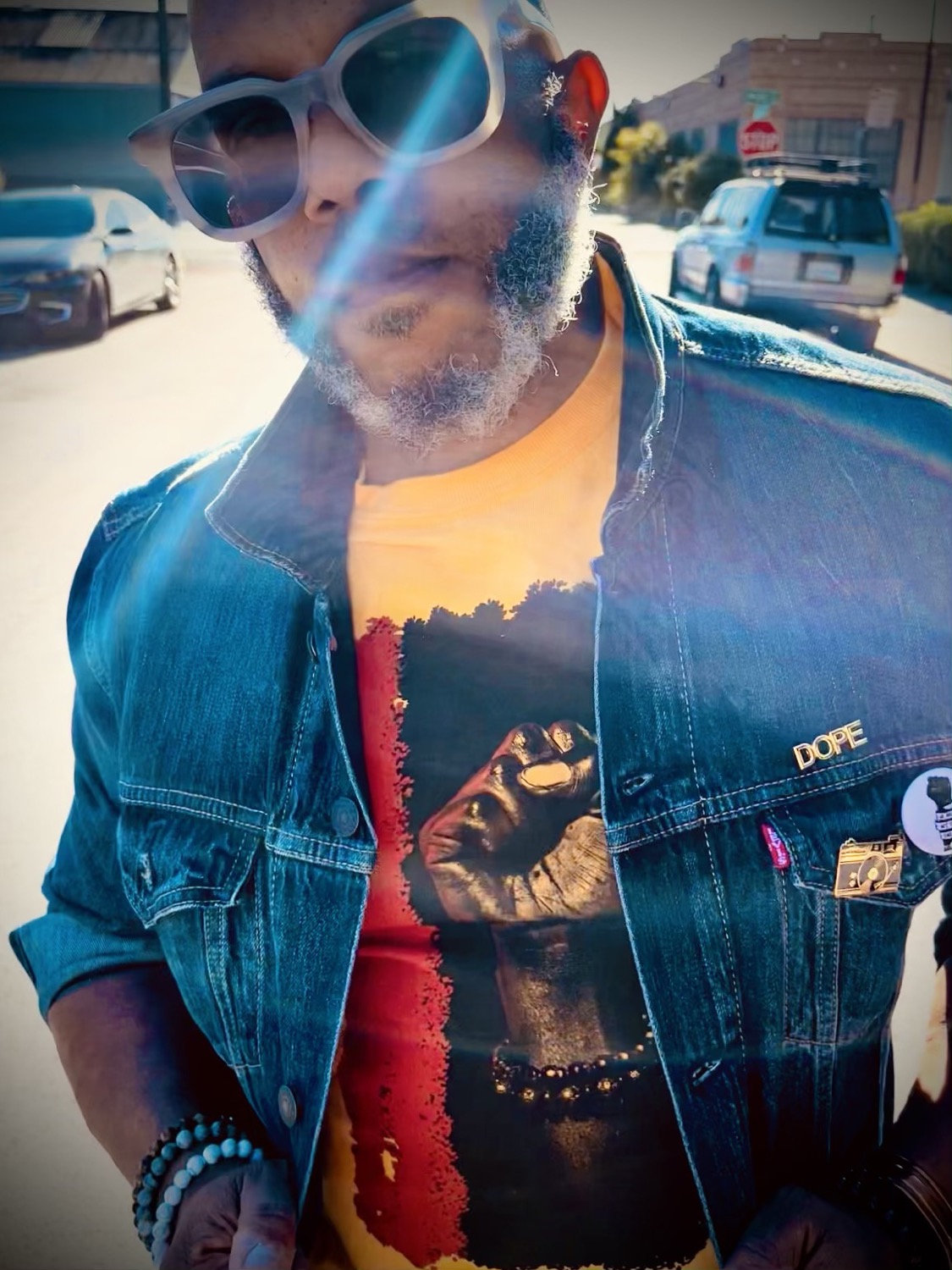
A visitor lands on your site and makes a fast decision: Does this business look credible, current, and worth contacting? Photos for business website pages often answer that question before anyone reads your headline. Generic stock imagery can fill a layout, but it rarely communicates why your team, service, or point of view is worth choosing.
For Bay Area founders, independent professionals, creatives, and growing teams, the strongest website photography does more than make a page look finished. It creates recognition. It shows the people behind the work, the standard of the experience, and the personality clients can expect when they reach out.
Start with the job each image needs to do
A business website does not need a random collection of attractive portraits. It needs a visual system. Before planning a shoot, look at your site page by page and identify where photography needs to earn its place.
Your homepage usually needs one decisive lead image: a founder in their environment, a team in motion, or a service moment that immediately establishes the business. Your About page needs images that make the company feel human and accountable. Service pages need evidence of process, expertise, product detail, or the finished result. A Contact page can be simpler, but it should still feel connected to the rest of the site.
This approach prevents a common issue: a gallery full of good photographs that cannot be used well in the actual design. A vertical portrait may be beautiful, yet leave no room for website copy. A wide environmental image may work perfectly as a banner but feel too distant for a team profile. Plan for both.
The essential photos for a business website
The right mix depends on your industry, but most service-based businesses benefit from a focused image library with clear roles. Think in terms of coverage rather than quantity.
Start with polished headshots or founder portraits. People want to know who they are hiring, especially when the service is personal, high-touch, or expertise-led. A strong headshot should feel approachable without looking casual by accident. It needs to work at a small size on a website and still hold its presence on LinkedIn, speaker bios, press mentions, and social profiles.
Next, photograph the work in context. A designer reviewing concepts with a client, a wellness practitioner preparing a treatment room, a consultant leading a session, or a chef plating a signature dish gives visitors something specific to understand. These images are more convincing than a vague promise of quality because they show how the business operates.
Environmental portraits add another layer. They place you in a studio, office, retail space, workshop, or recognizable Bay Area setting that supports your brand. The location should add meaning, not noise. If your work is detailed and calm, a cluttered background can fight the message. If your brand is fashion-forward or editorial, a more expressive setting may be exactly right.
Finally, capture details. Hands at work, materials, tools, packaging, signage, texture, and close-up product moments create pacing across a page. They are especially useful when a website needs visual variety without repeating the same person in every section.
Make the visual style match the business you want to attract
The goal is not to look like every other company in your category. The goal is to look aligned with the level and type of client you want next.
A financial advisor may need clean, composed portraits and a confident workspace that communicates discretion. A creative director can lean into bolder color, movement, wardrobe, and more editorial framing. A law firm may need formality, but that does not require stiff poses or cold lighting. The right direction can be polished and personable at the same time.
This is where art direction matters. Wardrobe, location, color palette, lighting, props, and cropping all shape the story. A photographer can make technically good images almost anywhere. A planned shoot makes images that look like they belong to your specific business.
Do not choose a visual style only because it is trending. High-contrast flash, heavily muted tones, or hyper-minimal interiors can be effective, but only when they support your brand. Ask a more useful question: Would the right client feel more confident after seeing this image, or would they be distracted by the style?
Plan for the website layout before the shoot
Website photography works best when the photographer and web designer are thinking ahead. You do not need final page mockups, but you should know how images are likely to be used.
Tell your photographer if you need a hero image with empty space for text, horizontal crops for service banners, vertical images for mobile, or square portraits for staff profiles. Mention whether your site uses a bright, white layout, a dark background, full-bleed photography, or smaller editorial image blocks. These details affect composition from the first frame.
It is also smart to create range within each setup. Shoot wide, medium, and close. Capture an image with direct eye contact and another with the subject looking into the scene. Leave negative space on both sides when possible. This gives your designer options without forcing awkward crops later.
A few images should be created specifically for mobile. On a phone, a wide group shot can reduce every face to a tiny detail. A clean vertical portrait or tight process image may carry the message better. The desktop version of a website should not be the only consideration.
Direction is what keeps the images from feeling staged
Many business owners worry that a photo shoot will make them look uncomfortable. Usually, that concern comes from imagining a camera pointed at them with no guidance. Good direction changes the experience.
A professional photographer should help with posture, hand placement, expression, pacing, and how to interact naturally with a space or collaborator. The best business images often look relaxed because they were carefully directed, not because they were accidental.
Bring real materials when they fit the story. A laptop can work, but a blank screen and a forced typing pose are easy to spot. Use a presentation deck, product samples, sketches, tools, client-ready packaging, or anything that reflects the way you actually work. Authentic props give your hands something to do and make the frame more believable.
If you are photographing a team, avoid scheduling everyone for a single rushed group photo. Build time for individual portraits, small team pairings, and candid-feeling interactions. This creates a deeper library and gives each person a role in the visual identity of the company.
Avoid the image choices that weaken trust
The fastest way to make a premium service feel generic is to use photographs that could belong to anyone. Stock photography is not always wrong, particularly for abstract concepts or highly specific situations you cannot photograph. But when stock replaces the founder, the team, the space, and the actual work, visitors notice the distance.
Outdated photography creates a different problem. Old headshots, former employees, retired branding, and mismatched editing can suggest that the business is not actively maintained. Refreshing your image library does not mean replacing every photo every year. It means updating the visuals when your team, offer, space, or positioning has meaningfully changed.
Consistency matters too. Mixing dim phone photos, heavily filtered social images, and formal studio portraits can make a site feel assembled rather than designed. A few distinct image treatments can work for a creative brand, but they should still share an intentional color and quality standard.
Treat your photo library as a working business asset
A well-planned branding session should give you more than a new homepage image. The same visual set can support your website, email announcements, media bios, proposals, speaking engagements, social content, recruiting, and launch campaigns. That makes planning more valuable than chasing a single perfect shot.
Set aside a short review once or twice a year. Look for pages with weak imagery, services that need clearer visual proof, and new parts of the business that deserve to be seen. You may only need a focused update session rather than a complete reshoot.
For businesses that want commercial usefulness without losing personality, an art-directed session can create that balance. MooD-ology Photography approaches branding portraits with the same attention to presence, style, and visual story that makes a portrait memorable beyond the screen.
Your website does not need more images just to fill space. It needs photographs that make the right person pause, recognize the value of your work, and feel ready to take the next step.


Comments