

Personal Branding Photography That Looks Like You
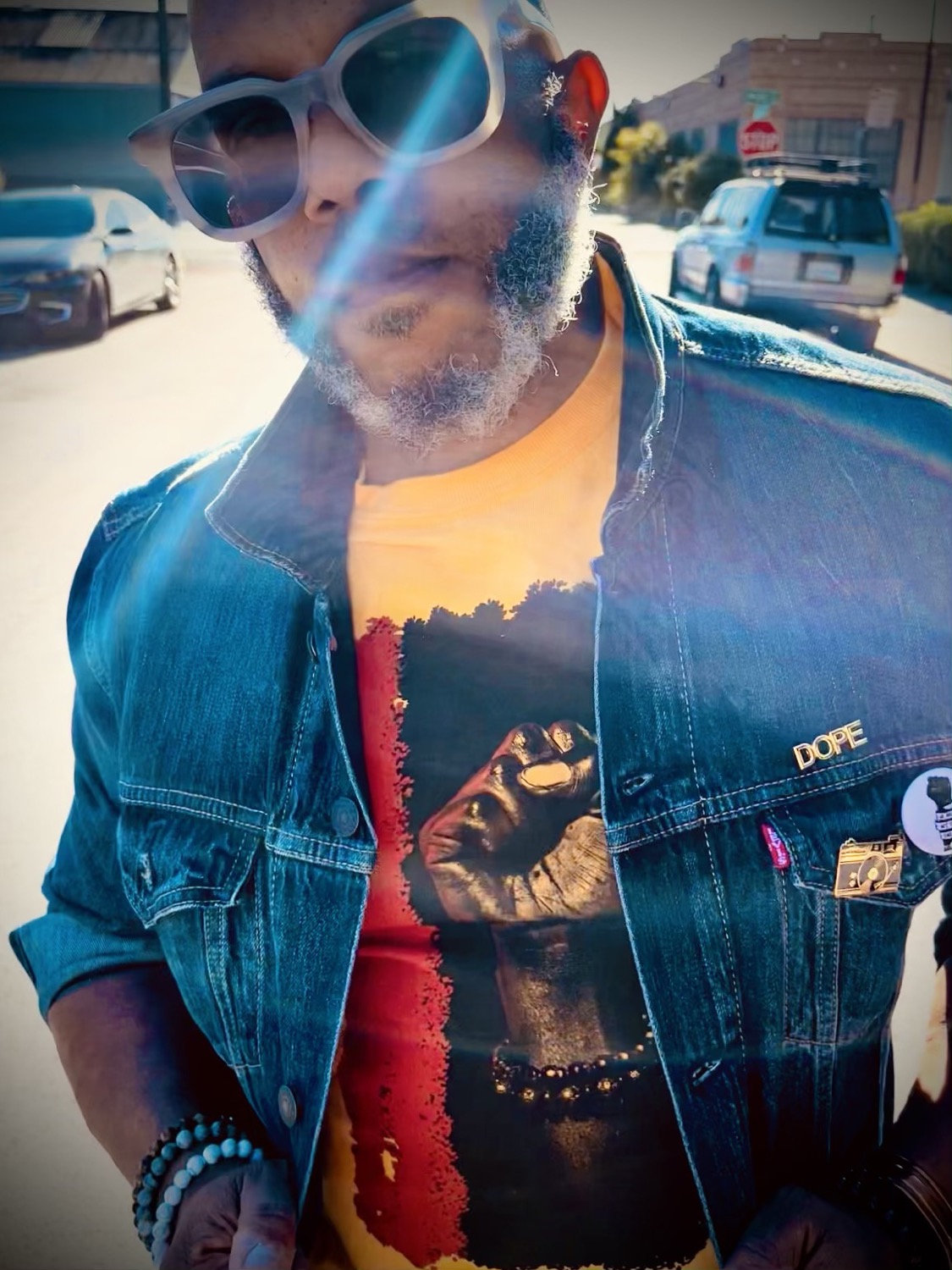
A profile photo can get you recognized. A strong visual presence can get people to pay attention. Personal branding photography is built for the space between those two things: the moment someone lands on your website, opens your LinkedIn profile, reads your press feature, or considers whether you are the right person to hire.
For Bay Area founders, creatives, executives, consultants, performers, and career-minded professionals, that first impression is rarely made in a room. It happens on a screen. Your photographs should not feel like an afterthought pasted into an otherwise thoughtful business. They should show clarity, confidence, and the point of view behind your work.
What Personal Branding Photography Is Actually For
Personal branding photography is a collection of intentional images that represent how you work, what you value, and how you want to be perceived. It includes portraits, but it goes further than a standard headshot. The goal is not simply to show your face. The goal is to give your audience visual proof that your work and presence belong in the same frame.
A founder may need images that feel decisive, approachable, and ready for press. A designer may need more movement, texture, and visual edge. A therapist may need warmth without looking overly casual. An executive moving into a new role may need portraits that feel established rather than stiff. The right creative direction depends on the person, the industry, and where the images will live.
That distinction matters because people often try to make one photo do every job. A cropped headshot may work beautifully on LinkedIn, but it cannot carry a homepage banner, an event announcement, a speaker page, a pitch deck, and a month of social content on its own. A branding session gives you a flexible image library rather than one carefully guarded file.
Personal Branding Photography Is Not Just a Headshot
A headshot is typically clean, direct, and tightly framed. It is designed to identify you quickly. That is useful, and most professionals need one. Personal branding photography uses the headshot as one part of a broader visual system.
That system can include environmental portraits, seated images, full-length frames, close details, images with room for copy, and moments that suggest the rhythm of your work. You might be photographed in a studio against a polished backdrop, at a desk, reviewing creative work, preparing for a presentation, or moving through a location that supports your story. None of these images need to look staged in a literal way. They do need to look intentional.
The strongest sessions balance usefulness with personality. If every image looks like a corporate annual report, the work can feel distant. If every image is highly stylized, you may have fewer practical options for professional platforms. A good photographer helps you find the middle ground: elevated enough to be memorable, clear enough to work everywhere.
Build an Image Set, Not a Single Favorite
Before the session, think in terms of placements. Where will people encounter you first, and what image shape does each platform require? This simple question changes how a shoot is planned.
A thoughtful set often includes a polished vertical portrait for LinkedIn and speaker bios, a horizontal image for web banners or press materials, a few wider compositions for social graphics, and close portraits that keep the attention on expression. It can also include working images or editorial-style frames that make a website, portfolio, or launch campaign feel more alive.
Negative space is part of the plan, too. A photo with open room beside you may be more useful for a website headline than a beautiful, tightly cropped portrait. Tell your photographer if you need images for a course launch, new service page, podcast appearance, book release, or media kit. The intended use informs composition from the beginning.
Start With the Impression You Want to Create
The most useful pre-shoot question is not, “What should I wear?” It is, “What should someone understand about me before we speak?”
Write down three to five words that describe the presence you want your images to carry. They might be composed, inventive, warm, sharp, grounded, playful, refined, or bold. These words are not empty branding language. They help shape wardrobe, lighting, posing, location, color, and expression.
Someone building a luxury service brand may lean toward clean tailoring, deliberate posture, and restrained color. A musician or creative director may want stronger contrast, fashion influence, and images with more motion. A financial advisor might favor calm authority over hard-edged formality. There is no single formula for looking professional. Professional should look like you at your most prepared and self-possessed.
This is also where honesty helps. Do not build a visual identity around a version of yourself you cannot sustain. If your day-to-day work is collaborative and conversational, images that feel cold and inaccessible may create the wrong expectation. If your expertise is high-level and your rates reflect that, overly casual imagery may undercut the value you are asking people to see.
Plan Wardrobe for Range, Not Just One Great Look
Wardrobe should support the message, not compete with it. Bring options that create variety while still feeling connected to the same person and brand. A structured jacket, a refined knit, a clean shirt, a dress with strong shape, or a statement accessory can each shift the tone of an image without making the session feel visually scattered.
Avoid clothing that needs constant adjusting, patterns that overpower your face, or pieces that do not let you sit, stand, and move naturally. Fit matters more than a label. So does comfort. When you feel restricted or unlike yourself, it shows in your shoulders, hands, and expression.
Color deserves attention as well. Neutrals can feel timeless and polished, while one intentional color can create recognition across a website or social feed. Consider your existing brand colors, but do not force yourself into a uniform that feels unnatural. Your visual identity should have enough consistency to feel considered and enough life to feel human.
Direction Is What Makes the Difference
Most people are not professional models. They should not have to be. The value of a guided branding session is not just camera quality or a polished studio. It is the ability to shape posture, expression, framing, and movement so you look present instead of posed.
Good direction is specific. It may mean shifting your weight, lowering a shoulder, changing where your hands rest, softening your eyes, or giving you something to react to instead of asking you to hold a smile. Small adjustments create the difference between an image that feels tense and one that feels naturally confident.
At MooD-ology Photography, the approach can be art-directed without becoming overly precious. The objective is commercial-ready imagery with editorial character: photographs that work hard for your business while still looking like they belong to someone with taste, perspective, and a real point of view.
Give the Session Enough Space to Work
A quick session can be effective when you need one updated headshot. A fuller branding session is the better choice when you are refreshing a website, launching a business, changing roles, or building a content library. More time allows for wardrobe changes, different framing, stronger creative choices, and the small resets that keep images from looking repetitive.
Location is another trade-off. A studio gives you control over light, background, privacy, and a clean editorial finish. An office, storefront, or outdoor Bay Area setting can add context and personality, but it also introduces weather, crowds, visual clutter, and less control. Neither choice is automatically better. Choose the setting that helps the viewer understand your work.
If you are unsure, begin with the platforms and outcomes that matter most. A studio session may be ideal for a leadership profile, consulting brand, or high-end service business. A location-based session may make more sense for a chef, architect, artist, fitness professional, or founder whose environment is part of the story.
Use the Images While They Are Still Current
The biggest mistake after a great shoot is treating the gallery like a private archive. Put the photographs to work. Update your profile photo, website bio, email signature, press materials, speaker page, proposal templates, and social profiles. Rotate through the wider images and detail frames so your audience sees a consistent visual identity rather than the same portrait repeated everywhere.
You do not need to post every image at once. Use the gallery over time to support announcements, behind-the-scenes captions, client education, milestones, and moments when you want to remind people who is behind the business.
Your work will evolve. Your images should be allowed to evolve with it. When your next opportunity asks people to trust your perspective before they meet you, make sure the photograph they see is ready to speak first.


Comments