

LinkedIn Profile Headshots Oakland That Work
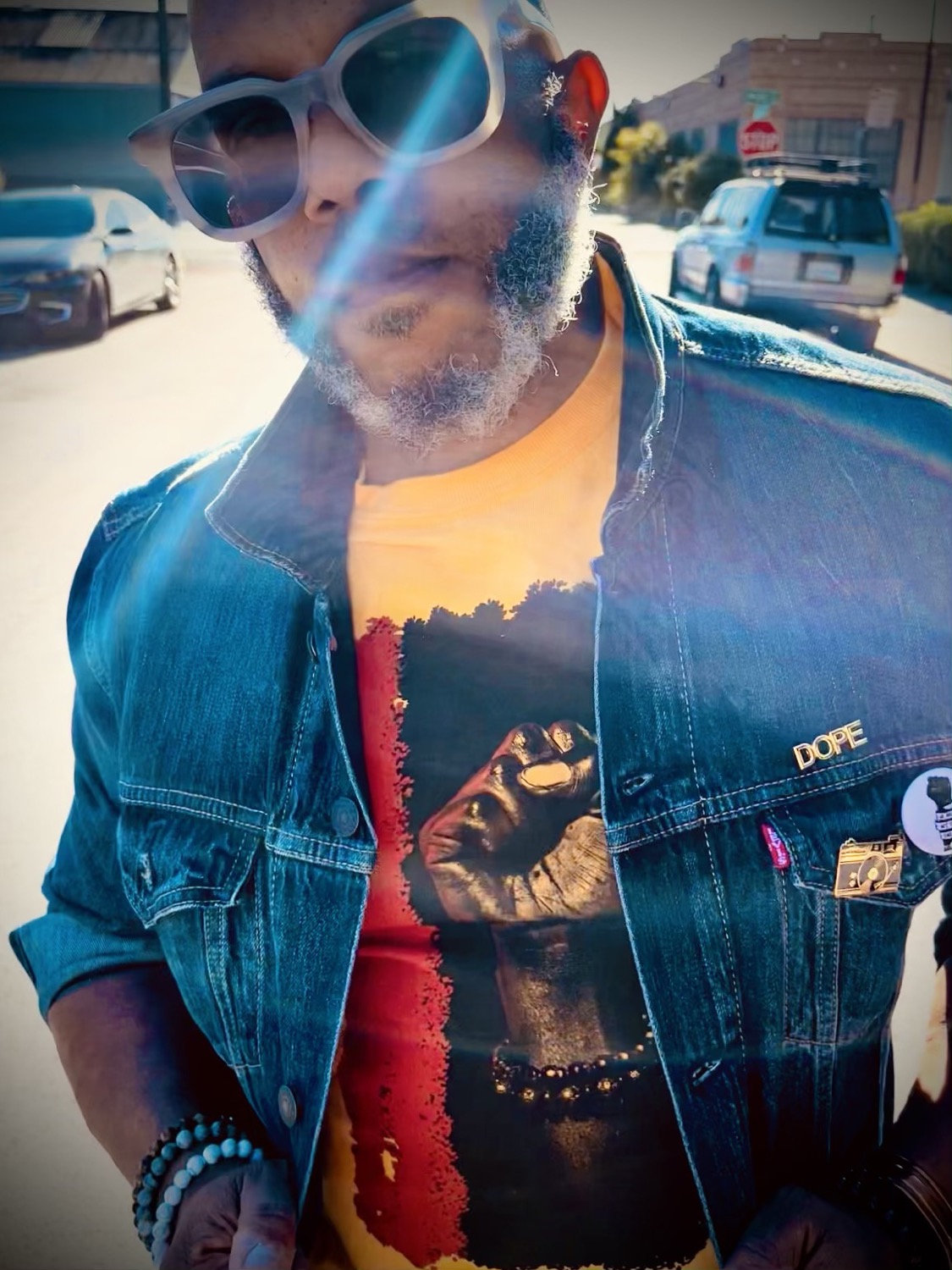
A LinkedIn profile has seconds to make its first impression. Before someone reads your title, scans your experience, or clicks through to your website, they see your face. LinkedIn profile headshots Oakland professionals use well are not about looking overly corporate or overly posed. They are about looking credible, current, and ready for the opportunities you want next.
For an executive, that may mean calm authority. For a founder, it may mean clarity and approachability. For a creative director, performer, consultant, or job seeker, it may mean showing personality without making the image feel casual. The right headshot gives people a reason to trust that the person behind the profile is paying attention.
Your Headshot Is Part of Your Professional Positioning
A LinkedIn headshot is not an isolated photograph. It works alongside your headline, professional history, portfolio, press mentions, and the way you speak about your work. When those pieces are aligned, your profile feels intentional. When the image is dated, dim, heavily filtered, or cropped from a group photo, it can create doubt before your experience has the chance to speak for itself.
That does not mean every professional needs the same neutral-background image. Bay Area careers are varied, and a venture-backed founder, attorney, designer, real estate professional, and musician should not all present themselves in exactly the same way. The goal is not to copy a formula. The goal is to make visual choices that support the room you are trying to enter.
A strong professional image answers a few unspoken questions: Do you seem prepared? Do you look like the person someone would want to meet? Does your photo match the level and character of your work? Those details affect perception, especially when a recruiter, client, collaborator, or journalist is deciding whether to click.
What Strong LinkedIn Profile Headshots in Oakland Have in Common
The best LinkedIn profile headshots Oakland professionals choose tend to share a few qualities. The image is clear at a small size, the lighting is intentional, and the expression feels believable. Your face should be easy to recognize. That sounds obvious, but it rules out many common choices: distant environmental portraits, dramatic shadows that conceal the eyes, sunglasses, and images dominated by a busy background.
Expression matters as much as wardrobe. A forced smile can read as stiff, while an overly serious expression may create distance. Professional does not have to mean stern. A good photographer directs the small adjustments that make an image feel natural: relaxing the shoulders, shifting your chin, changing your gaze, and giving your hands something to do when the composition includes more than your face.
Good lighting also does more than flatter. It creates consistency and polish. Window light can feel open and approachable; controlled studio lighting can feel clean, elevated, and editorial. Neither is automatically better. The choice depends on your brand, industry, and where the image will live beyond LinkedIn.
Choose a Look That Matches the Work You Want
Dress for your direction, not just your current job title. If you are moving into leadership, applying for client-facing roles, launching a consultancy, or pursuing speaking opportunities, your headshot should support that next chapter. You do not need to wear a costume version of success. You do need to look considered.
For many clients, a solid-color top or jacket photographs best because it keeps attention on the face. Mid-tone and deeper colors often work beautifully, particularly when they complement your complexion and the studio backdrop. Fine stripes, tiny checks, logos, and high-contrast patterns can become distracting once the photo is reduced to LinkedIn's small circular crop.
Bring options if you can. A blazer may create a more structured frame, while a second look without it can feel more relaxed for an About page or personal website. This is especially useful for entrepreneurs and creatives who need a cohesive image library rather than one single profile photo.
The trade-off is simple: versatility is valuable, but too many wardrobe changes can dilute the purpose of the session. Start with the look that best represents your primary professional goal. Everything else is supporting material.
Keep Grooming Camera-Ready, Not Overdone
A headshot should look like you on a very good day. Plan a haircut or beard trim a few days before the session rather than immediately before it. Give your skin time to settle after any new treatment. Choose makeup that has a polished finish but still looks like skin, particularly if the image will be used across professional platforms.
Avoid trying a completely new hairstyle, makeup style, or wardrobe identity on photo day. Confidence photographs well, and confidence is easier when you feel like yourself.
Backgrounds and Locations Set the Tone
A studio headshot offers control. The lighting, backdrop, framing, and color palette can be designed to keep the focus exactly where it belongs. It is a strong choice for executives, corporate teams, job seekers, and anyone who wants an image with broad professional range.
An environmental portrait can bring context and personality. A founder might photograph well in a refined workspace. A designer may want a more architectural setting. A real estate professional may prefer a polished outdoor scene with depth in the background. Oakland offers visual character, but the location should not compete with your presence or make the image feel temporary.
Think about longevity. A trendy mural, recognizable event space, or seasonal landscape may be attractive now but less useful a year from now. For LinkedIn, the most durable images tend to be simple, well-lit, and connected to your work without being literal.
Plan for More Than the Circular Crop
LinkedIn may be the immediate need, but a professionally directed session can produce assets for your website, media kit, speaker bio, company profile, email signature, and social platforms. That is where thoughtful framing pays off.
Ask for a mix of tight head-and-shoulders images and slightly wider portraits. A close crop is useful for LinkedIn, while a wider composition gives designers room to add text on a website or announcement graphic. Vertical and horizontal options can also save time later when a publication, conference, or marketing team requests a specific format.
This is particularly practical for small-business owners. Rather than scheduling separate shoots every time you need a new press image or launch graphic, create a focused set of images that can be used with intention across several channels.
Direction Is the Difference Between Awkward and Assured
Most people are not comfortable being photographed for work. They may know their industry well and still have no idea where to put their hands, how much to smile, or whether they look natural on camera. That is normal. You should not have to perform confidence alone.
A well-directed headshot session gives you clear, practical guidance. Small changes in posture can lengthen the neck and strengthen the jawline. A slight turn of the body can create more shape. Adjusting the angle of your face can change the entire energy of a frame. These are not tricks. They are the details that help an image look composed rather than accidental.
At MooD-ology Photography, the approach combines commercial-ready headshot direction with an editorial eye. The result should feel polished enough for a boardroom, portfolio, or press request while still leaving room for personality.
Know When It Is Time to Update Your Photo
If your current headshot is more than two or three years old, it is worth taking another look. Update sooner after a major appearance change, a new leadership role, a business launch, or a career transition. A profile photo should make an in-person introduction feel consistent, not surprising.
There is also a strategic reason to refresh it. New work often calls for a new visual position. Someone who built a career as an employee may need a more authoritative image when becoming a consultant. A creative professional moving into larger commercial work may need a portrait with more refinement and presence. The image is not changing who you are. It is making your next step visible.
A Better Standard for Your Professional Image
Your LinkedIn photo does not need to be generic to be professional, and it does not need to be dramatic to be memorable. It needs to make the right impression quickly: someone capable, prepared, and comfortable being seen.
Choose an image that feels current, directed, and aligned with the work ahead. When the opportunity arrives, your profile should already look ready to meet it.


Comments