

Creative Portrait Photography That Feels Like You
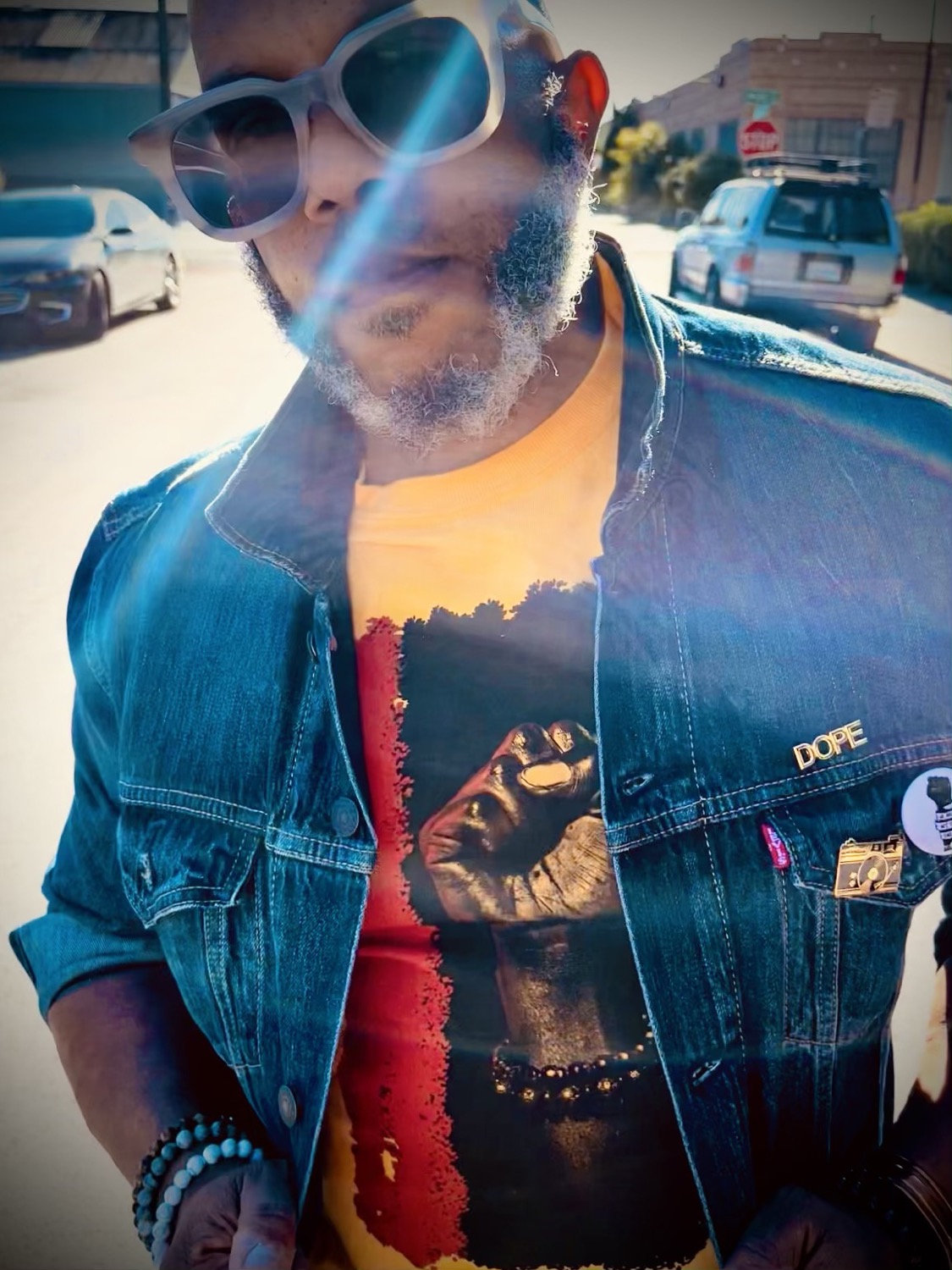
A strong portrait is not just evidence that you were in front of a camera. It is a decision about how you want to be seen. Creative portrait photography gives that decision shape through light, styling, direction, composition, and expression - so the finished image feels intentional rather than merely flattering.
For a founder updating a website, an artist building a portfolio, a performer announcing new work, or someone marking a personal turning point, the goal is the same: create photographs with presence. You should recognize yourself in them, but you should also see a more focused version of your point of view.
What Makes a Portrait Creative?
Creativity is not limited to dramatic sets, unusual poses, or heavy retouching. Those choices can be effective, but they are not the point. A creative portrait begins with an idea: what energy should the image carry, and where will it live?
A clean, editorial headshot against a controlled studio background can be highly creative when the lighting, wardrobe, and expression communicate authority without looking stiff. A fashion-forward portrait with movement and stronger shadow can say more about a musician, designer, or artist than a conventional smiling image ever could. The right approach depends on the subject and the intended use.
That distinction matters because portraits often have a job to do. A LinkedIn profile image may need immediate clarity at a small size. A campaign image needs room for text and a consistent visual system. A portrait for a birthday, anniversary, or personal milestone can be more cinematic, intimate, or experimental. Good creative direction does not force every session into one visual style. It gives each session a clear reason for looking the way it does.
Start With the Message, Not the Mood Board
Mood boards are useful, but they are only a starting point. Before saving images, define what you want the portrait to communicate in a few direct words. Consider whether you want to appear composed, magnetic, approachable, sharp, sensual, relaxed, disruptive, polished, or reflective.
Then ask where the photos will be used. A professional speaker may need a mix of direct-to-camera portraits, environmental images, and horizontal compositions for press placements. A creative entrepreneur may need images that feel editorial while leaving space for website copy. Someone booking a personal portrait session may want images that are simply about confidence, style, and being fully present.
References help a photographer understand visual language, especially around color, framing, texture, and lighting. Still, the best sessions do not reproduce someone else’s images shot for shot. Your location, body language, wardrobe, skin tone, and personality will create a different result. Use inspiration to identify a feeling, then let the session become your own.
Choose a Setting That Supports the Story
A studio offers control. Backgrounds stay clean, lighting can be shaped precisely, and the attention stays on your face, wardrobe, and expression. It is a smart choice for headshots, branding portraits, fashion images, and any project that needs a consistent finished look.
An outdoor or environmental location adds context. A downtown Oakland street, a textured wall, an architectural interior, or a workspace can suggest movement and lived-in character. The trade-off is that available light, weather, foot traffic, and visual distractions become part of the production. A location should add meaning, not compete with you.
If you are unsure, use the image’s purpose as the deciding factor. For professional visibility, a controlled studio foundation plus a few expressive variations often gives you the most range. For a personal or editorial concept, location can play a larger role.
Wardrobe Is Part of the Composition
The camera sees structure, contrast, texture, and color before it understands whether an outfit felt comfortable in your closet. That does not mean you need a completely new wardrobe. It means you should select pieces that hold their shape and support the direction of the shoot.
Start with two or three looks that create distinct options rather than minor variations of the same outfit. A tailored jacket can bring definition and authority. A monochrome look can feel clean and modern. A statement piece, bold color, or interesting fabric can carry a more fashion-driven frame. Bring clothes that fit well now, including the right underlayers, shoes, and accessories.
Avoid treating every portrait session like a corporate uniform exercise. Neutral colors are useful, but they are not the only professional choice. A saturated jacket, sculptural jewelry, or a strong pattern can work beautifully when the rest of the image is directed around it. The key is balance. If the wardrobe is loud, the background and lighting may need to be simpler. If the setting is visually active, a cleaner outfit can keep the frame grounded.
Hair and makeup should support the level of polish you want in the final images. For some clients, that means a natural, camera-ready finish. For others, a more editorial look is exactly right. Either way, plan for a look that lasts through the session and still feels like you.
Direction Is What Turns Nerves Into Presence
Most people do not arrive knowing what to do with their hands, shoulders, chin, or expression. They should not have to. Creative portraiture works best when the photographer gives clear direction while leaving room for the person in front of the camera to settle into their own rhythm.
Small adjustments make a major difference. Turning one shoulder, shifting weight, lowering the chin slightly, creating space between the arms and torso, or moving closer to the light can change the entire frame. The same is true for expression. A relaxed mouth, focused eyes, and a brief pause between poses can feel more powerful than a forced smile.
Movement also helps. Walking slowly, adjusting a jacket, looking away and returning to the lens, or changing your stance gives the photographer options beyond a static pose. These moments can produce images that feel less performed and more alive.
The best direction is specific without being controlling. You may need a polished executive portrait for one image and a more open, expressive portrait for the next. A strong session moves between those modes with purpose. At MooD-ology Photography, that balance is part of the work: commercially useful images with an editorial eye.
Build Variety Without Losing Cohesion
A good gallery should not look like fifty versions of the same frame. It should offer range while still feeling connected. Variation can come from changing the crop, background, outfit, light direction, expression, or level of movement.
For professional branding, aim for a practical mix. You may need a close portrait for profile use, a mid-length image for an about page, a horizontal composition for banners, and a few candid-feeling frames for social media or press. The creative choices should stay consistent enough that all of the images feel like they belong to the same person and brand.
For personal portraits, cohesion may come from a single color story, a chosen lighting style, or one emotional tone. You can move from quiet and intimate to bold and high-energy without making the final collection feel scattered. The goal is not to show every possible version of you in one hour. It is to make a focused statement.
Give the Session Enough Room
Trying to rush a creative concept is one of the easiest ways to make portraits look generic. Time is needed to settle in, test the light, adjust wardrobe, review what is working, and build confidence in front of the camera.
Arrive with your outfits organized and your references ready, but leave room for the unexpected. A particular angle may suit you better than the original plan. A simpler setup may become the strongest look of the day. The creative process is structured, but it should not be rigid.
After the session, choose images based on purpose, not only on which one feels most familiar. The portrait that makes you pause for a second may be the one that has the most presence. Ask whether the image reflects the message you wanted to send, whether it works in its intended placement, and whether it still feels like you.
Your portrait does not need to imitate a trend to make an impact. Bring a clear intention, wear what gives you shape and confidence, and let thoughtful direction do the rest. The most memorable image is often the one that makes your audience feel they have met you before you ever walk into the room.


Comments