

Choosing an Actor Headshot Photographer in Oakland
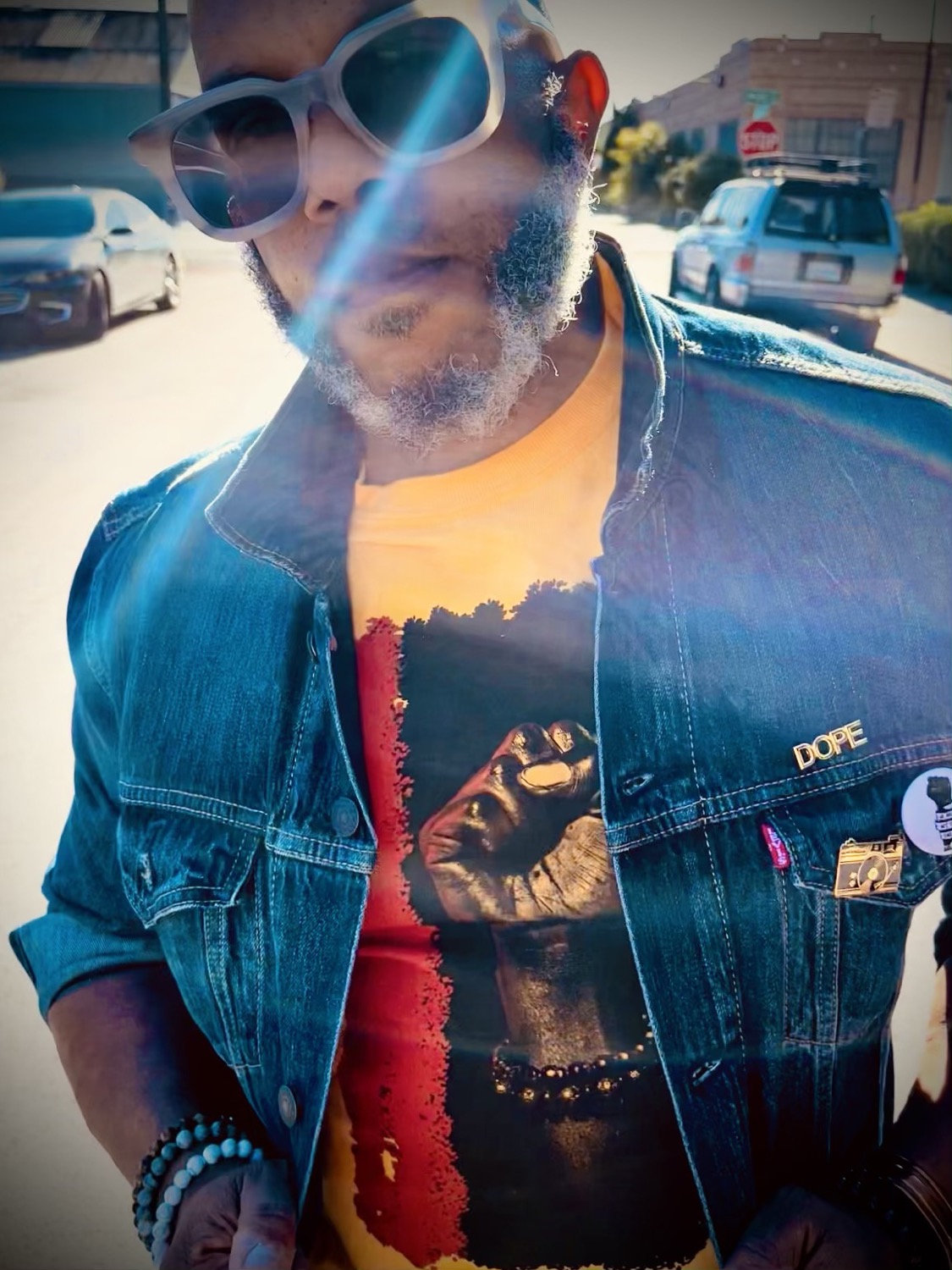
Casting teams make fast decisions. Before they read a reel credit, check availability, or open a résumé, they see your face. An actor headshot photographer Oakland performers choose should understand that the image has one job: make people want to bring you into the room.
That does not mean trying to look like someone else. The strongest actor headshots feel current, specific, and alive. They show casting directors what is already working in your face, your energy, and your type - then give that information enough clarity to register in a crowded submission folder.
What an Actor Headshot Needs to Do
An actor headshot is not a corporate portrait with a different outfit. It is also not a fashion campaign, even if you have a sharp personal style. It is a professional casting tool, and it has to balance polish with honesty.
The image should feel like you on a good day, not you after an hour of filtering, retouching, and over-styling. Casting wants to recognize you when you walk through the door. If your headshot makes a promise your real-life presence cannot keep, it works against you.
At the same time, “natural” should never mean flat or careless. Good light, intentional framing, wardrobe choices, expression, and direction all shape the way someone reads your image. A confident actor can look guarded on camera. A warm actor can look generic. The photographer’s work is to spot those gaps and adjust in real time.
For Bay Area performers, there is another consideration: range. Oakland actors often move between independent film, commercial work, theater, voiceover, industrials, lifestyle campaigns, and the broader San Francisco production market. Your materials should support the roles you are pursuing, not lock you into a vague version of yourself.
Choosing an Actor Headshot Photographer in Oakland
Start with the portfolio, but look beyond whether the photographs are simply attractive. Ask whether the subjects feel distinct from one another. Can you see personality in the eyes? Do the images have clean, casting-friendly color and light? Does each person look directed rather than merely posed?
A photographer can create beautiful editorial portraits and still not be the right fit for an acting headshot. Editorial work often prioritizes concept, styling, mood, and visual drama. Acting headshots need room for your face to lead. The ideal photographer understands both worlds: enough creative instinct to make an image memorable, and enough discipline to keep the image usable.
That distinction matters when reviewing a photographer’s style. High-contrast lighting may be excellent for a dramatic theatrical look but too severe for a commercial submission. A tight crop may create intensity, while a slightly wider frame can feel more open and approachable. There is no universal right answer. The question is whether the visual choice supports the kind of work you want.
Look for a photographer who offers direction without forcing a performance. Some actors arrive with deep camera experience. Others are talented on set but tense during a still session. Either way, you need someone who can give clear adjustments: soften the jaw, shift the shoulders, bring the eyes forward, let the expression settle. Vague instructions to “be natural” rarely get anyone where they need to go.
An Oakland studio session can also offer more control than a rushed outdoor shoot. Controlled lighting, privacy, and a calm set make it easier to refine small changes in expression. Outdoor portraits can be compelling, especially for a more lifestyle-driven or character-focused look, but shifting weather, background activity, and inconsistent light can distract from the purpose of the image.
Build Your Session Around Casting, Not Guesswork
Before your session, get specific about what you are submitting for. A performer pursuing commercial representation may need warmth, intelligence, ease, and immediate approachability. An actor focused on dramatic film may need more stillness, edge, or emotional depth. A theater actor may benefit from an image with presence and structure that holds up in a program, on a website, and in a digital casting profile.
You do not need to arrive with a list of roles you want to play for the next decade. You do need a sense of the rooms you want access to. Think about recent auditions, feedback from agents or coaches, and the parts people consistently respond to. Those patterns can help shape wardrobe and expression choices without turning your headshot into a costume.
Bring options that give you a genuine shift in tone. A clean, solid-color top often works well because it keeps attention on the face. Texture can add interest, but busy patterns, oversized logos, and highly reflective materials tend to pull focus. The best colors depend on your skin tone, hair, eye color, and the backdrop, so choose pieces that make you feel composed rather than disguised.
Keep grooming close to your everyday look. If you wear glasses often and they are part of how people know you, photograph in them for at least one look. If you are growing facial hair or changing your hair dramatically, consider whether the timing serves your current submission needs. Headshots are most effective when they stay accurate, which means updating them after a meaningful change in appearance.
Makeup and hair should read as refined, not overproduced. Camera-ready does not mean heavy. A little attention to shine, texture, flyaways, and under-eye fatigue can help, but the finished image should still have skin, dimension, and life.
Expression Is More Than a Smile
Many actors worry about facial expressions before they worry about anything else. The pressure is understandable. A single frame can feel like a permanent statement about your career. But trying to manufacture ten different emotions usually produces ten versions of the same strained face.
Instead, work from intention. Think about the energy you want to communicate: grounded, witty, trustworthy, formidable, curious, sensual, thoughtful, or open. Let the photographer guide the physical details while you stay connected to a simple internal idea. The strongest expression often arrives between attempts, when you stop pushing for a result and start responding.
A good session leaves room for subtlety. Your commercial image and theatrical image do not need to look like different people. They may be separated by a little more openness, a different wardrobe choice, a change in light, or a quieter gaze. Small shifts can be more believable and more useful than dramatic reinvention.
Know the Difference Between Retouching and Erasing
Professional retouching should protect the credibility of your headshot. Temporary blemishes, distracting shine, lint, and minor distractions can be cleaned up. But your texture, features, age, and character should remain visible.
Over-retouching is especially risky for actors. Plastic-looking skin, altered facial structure, brightened eyes that no longer look real, or removed lines can create an image that feels disconnected from the person who arrives at the audition. Casting notices. So do agents and managers.
Ask how final image selection works before you book. Some photographers narrow the gallery heavily; others deliver a wider proofing set. Neither approach is automatically better. A curated selection can make choosing easier, while a larger gallery may give you more room to compare subtle moments. What matters is that you understand the process, turnaround time, retouching policy, and how many final images are included.
Make the Image Work Beyond Casting Platforms
Your headshot will likely appear in more places than an audition submission. It may become your agency profile image, personal website photo, social profile picture, press image, theater bio portrait, or the photo a director sees before a meeting. That is why a polished, expressive image has long-term value.
MooD-ology Photography approaches portraits with that wider public-facing identity in mind. The goal is not to flatten you into a generic industry look. It is to create a clean, elevated image with enough character to feel memorable and enough clarity to work wherever your career takes you.
Still, avoid making one photo carry every possible purpose. A headshot for commercial casting may not be the image you use for a bold personal brand announcement. If you also need branding portraits, fashion-forward images, or creative editorial work, plan for them as separate looks or a separate session. That gives each image a clear role instead of asking one frame to do too much.
Book When Your Look Is Current
Do not wait until the night before an important submission to realize your headshot is outdated. Booking ahead gives you time to select favorites, receive finished files, update your profiles, and sit with the images before they go public.
The right headshot should not make you feel like you are pretending. It should make your next submission feel more direct: this is who I am, this is the work I am ready for, and this is the face casting will recognize when I walk in.


Comments