

Best Photos for Speaker Bios That Get You Booked
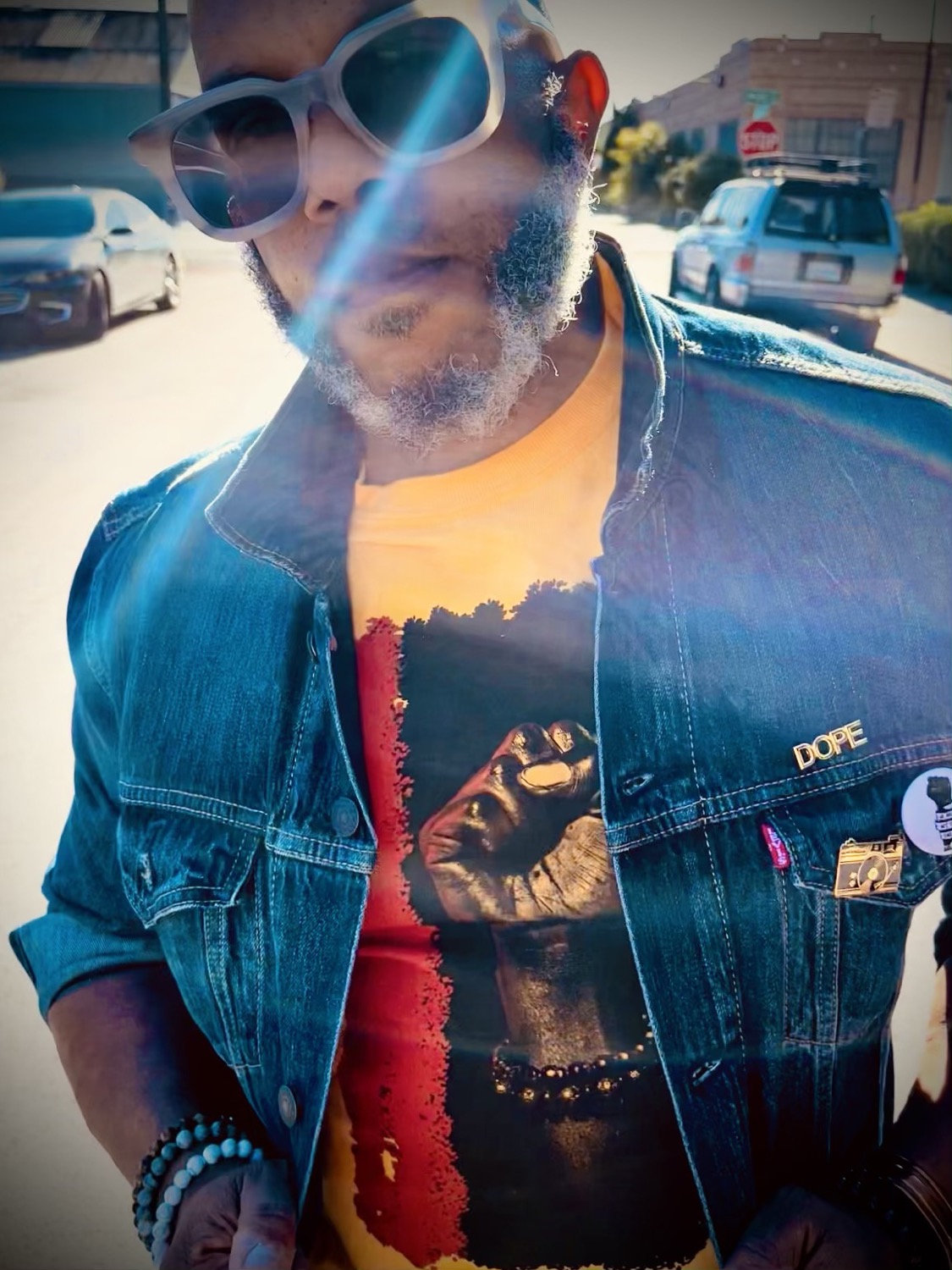
A speaker bio is often read in the same fast scroll as your name, credentials, session title, and social links. The image beside it has one job before anyone reads a word: make you look like someone worth listening to. The best photos for speaker bios are not simply flattering headshots. They are clear, confident portraits that match the room, the subject matter, and the level of opportunity you want next.
A thoughtful speaker image tells an event organizer that you understand presentation. It tells an attendee that you are credible, approachable, and prepared. For entrepreneurs, executives, creatives, advocates, and subject-matter experts, that first visual impression can shape whether a conference planner clicks through, a podcast host reaches out, or an audience member remembers your name.
What Makes the Best Photos for Speaker Bios Work
A strong speaker photo needs to hold up everywhere it may appear: a conference website, event app, press release, social graphic, printed program, podcast artwork, or introduction slide. That means it must read quickly at a small size while still looking considered when viewed larger.
The most effective images put your face first. Your eyes should be visible, sharp, and engaged. The frame should be clean enough that an organizer can crop it vertically, horizontally, or into a square without losing the point of the image. A tight head-and-shoulders composition is the safest choice for most speaker bios, with enough room around you for flexible placement.
Expression matters as much as technical quality. You do not need a broad smile in every photo, but you should look present. A warm expression works beautifully for facilitators, coaches, wellness professionals, and community leaders. A more composed, direct look may better serve a founder discussing strategy, a legal expert, or a keynote speaker in a high-stakes industry. The goal is not to perform a personality you do not have. It is to make your natural authority visible.
Choose a Photo That Matches the Stage
There is no universal speaker portrait because there is no universal speaking engagement. A photo for a creative-industry panel can carry more editorial energy than one for a financial-services summit. A university guest lecturer may need a more relaxed, intelligent presence than a speaker addressing a corporate boardroom.
Start with the audiences you want to reach over the next one to three years. If your calendar includes corporate conferences, leadership workshops, media interviews, and advisory work, your primary image should feel polished and enduring. Think elevated wardrobe, intentional lighting, and a background that does not compete with you.
If you speak in design, fashion, technology, culture, or the arts, a portrait with stronger visual point of view can be an asset. Distinctive color, architectural surroundings, or fashion-forward styling can help your image stay memorable. The trade-off is that a highly stylized photo may feel too specific for a conservative event brand. Many professionals benefit from having one classic speaker headshot and one more expressive branding portrait, rather than asking a single image to do every job.
For speakers whose work centers on connection, a photo made while addressing an audience can be useful as a secondary asset. It proves you belong on stage. Still, it should rarely replace your main bio photo. Stage images are often difficult to crop, inconsistent in lighting, and packed with visual distractions. Use them on your speaker page, media kit, or social content alongside a clean portrait.
Use Light and Background With Intention
A speaker bio portrait should never leave people wondering where to look. Soft, shaped lighting brings attention to your face and creates dimension without making the image feel overproduced. Flat lighting can look generic. Harsh lighting can feel severe unless that edge supports your brand.
Background choice deserves the same level of care. Solid studio backgrounds are clean, versatile, and easy for event teams to use across different layouts. They are an excellent option when you speak to varied audiences or need a reliable image for press and corporate use.
Environmental portraits can add context when the setting supports your message. An architect may be photographed in a striking built environment. A chef, maker, or creative director may benefit from a workspace that reveals part of their craft. Keep the setting controlled. Visual clutter, random office furniture, busy crowds, and unrelated signage weaken the image and make it harder for organizers to place on a branded event page.
Color should support your skin tone, wardrobe, and desired impression. Neutrals are dependable, but they do not have to mean lifeless. Deep blue, rich green, burgundy, warm earth tones, and intentional black can photograph with polish. A photographer with an editorial eye can help you select colors that separate you from the background instead of blending into it.
Dress for Recognition, Not Disguise
Your speaker photo should look like you on a very good day. Avoid buying an outfit that feels unfamiliar just because it seems more professional. If you never wear a suit, a stiff suit portrait can create distance between the image and the person who walks on stage. The same goes for overly casual styling when your goal is executive-level visibility.
Choose clothing with structure around the neckline and shoulders, since those areas carry most of the visual weight in a close portrait. Solid colors and subtle textures typically work better than small, high-contrast patterns. Large logos can make your image feel promotional, while trend-specific pieces can date a photo quickly.
Bring options to your session. A jacket, a different top, or a change in accessories can create multiple looks without changing the core visual identity. This is especially useful if you serve both corporate and creative audiences. One wardrobe choice can give you a classic headshot, while another supports a more personal branding image for your website and speaker materials.
Plan for the Way Event Teams Actually Use Images
Event organizers appreciate a beautiful image that is also easy to work with. Give them a high-resolution file, but keep a web-ready version available for quick uploads. Avoid sending a screenshot, a heavily compressed social-media image, or a photo with text baked into it.
A current image matters. If you have changed your hair, signature glasses, facial hair, or personal style substantially, update the portrait. Attendees should be able to spot you when you arrive. As a practical rule, refresh speaker photos every two to three years, or sooner when your professional positioning changes.
It also helps to have a small, purposeful image set. Your essential assets may include a horizontal headshot for websites, a vertical portrait for social graphics and print, and one environmental or stage-forward image for promotional storytelling. You do not need twenty nearly identical files. You need a few images with distinct uses.
Before sending an image, look at it at thumbnail size. Can you immediately see your face? Does the crop feel balanced? Does the expression communicate the energy you want in the room? If the answer is yes, it will likely work across the event ecosystem.
Common Speaker Bio Photo Mistakes
The most common mistake is using a personal snapshot because it feels authentic. Authenticity is valuable, but a dim restaurant photo, vacation crop, or selfie usually signals that your public image is an afterthought. The issue is not perfection. It is intention.
Another weak choice is a portrait that is dramatically retouched or filtered. Skin should look like skin. The best professional retouching removes temporary distractions while preserving texture, character, and recognition. An audience should meet the same person they saw online.
Finally, do not choose a photo solely because you like the way you look in it. That feeling matters, and you should like your portrait. But ask whether the image helps a stranger understand your professional presence. A great speaker photo balances confidence, clarity, and personality.
For Bay Area speakers building a stronger public-facing brand, a directed portrait session can create more than a polished headshot. It can produce a visual language that follows you from the stage to your website, press opportunities, and next introduction. MooD-ology Photography approaches that work with a commercial-ready finish and a creative point of view, so the result feels elevated without looking manufactured.
Your bio may change from one event to the next. Your strongest photo can keep doing its quiet work: making the right people pause, recognize your value, and picture you at the front of the room.


Comments