

Headshots Versus Portraits for Your Next Move
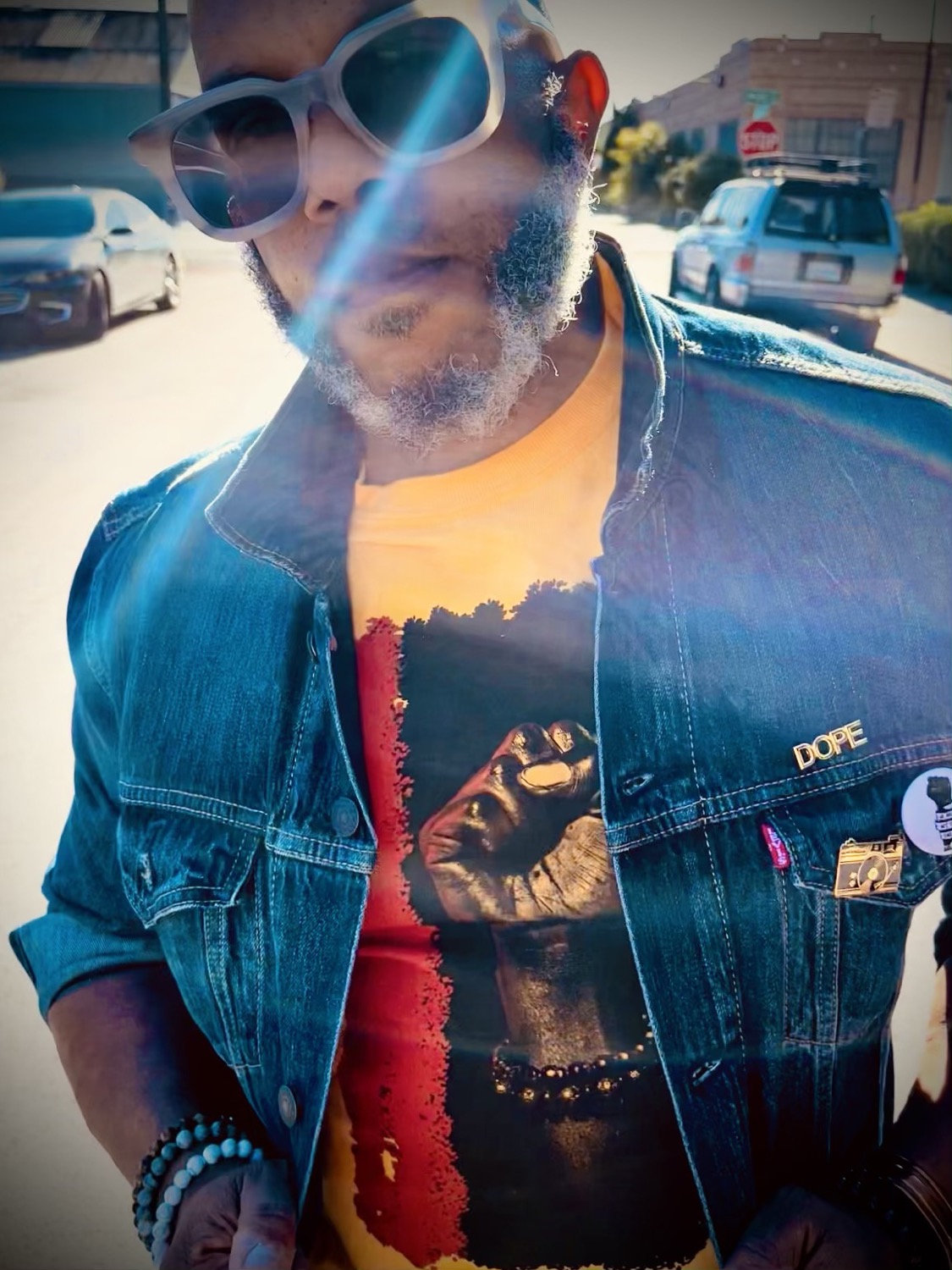
A recruiter, casting director, prospective client, or new follower may form an opinion of you before reading a single word. That is why headshots versus portraits is more than a question of framing. The image you choose tells people what kind of interaction to expect: focused, polished, expressive, approachable, bold, or quietly authoritative.
Both are valuable. They simply do different work. A headshot is built for recognition and professional trust. A portrait gives more room for personality, concept, mood, and visual storytelling. Choosing the right one starts with being honest about where the image will live and what you need it to do.
Headshots Versus Portraits: The Core Difference
A headshot is a strategic image of your face, typically framed from the chest or shoulders up. Eye contact, expression, lighting, and clarity carry the image. The goal is not to show every facet of your personality in one frame. The goal is to make you recognizable, credible, and easy to connect with.
A portrait can include your face, but it is not limited by the rules of a professional headshot. It may be close, full length, environmental, styled, editorial, candid-feeling, dramatic, or minimal. Wardrobe, location, posture, shadow, color, and composition all become part of the story.
Think of a headshot as a strong introduction. Think of a portrait as a fuller conversation.
When a Headshot Is the Right Choice
Choose a headshot when your image needs to work quickly in a professional context. LinkedIn profiles, company websites, speaker bios, press releases, business cards, directories, employee pages, and auditions all benefit from a clear, current image that puts your face first.
For founders and entrepreneurs, a headshot is often the anchor image in a larger personal brand. It can communicate leadership without looking stiff, or approachability without looking casual. The best result depends on the industry. A financial advisor may need polished confidence. A therapist may need warmth and calm. A creative director may need visual edge while still appearing established.
A professional headshot also solves a practical problem: consistency. If your profile photo, website bio, conference announcement, and media quote all show the same version of you, your public presence feels intentional. People begin to recognize you faster.
That does not mean every headshot needs a plain gray background and a suit. A well-directed session can use color, texture, natural light, or a studio setting without losing its professional purpose. The standard is not boring. The standard is clear.
What makes a headshot effective
The strongest headshots feel effortless, but they are carefully built. Your expression should fit the audience you want to reach. Your wardrobe should support your positioning instead of competing for attention. Lighting should make you look present, rested, and dimensional.
Most of all, the image should look like you on a very good day. Heavy retouching can create distance between the photo and the person who walks into a meeting. Refinement matters. Recognition matters more.
When a Portrait Is the Better Investment
A portrait is the better choice when personality, style, or narrative matters as much as identification. Artists, performers, designers, musicians, authors, fashion-forward professionals, and creatives often need images that create a feeling before they communicate a title.
Portraits are also ideal for personal milestones. A birthday, graduation, career transition, engagement, or personal reset can deserve more than a quick profile image. A portrait session gives you space to be seen with intention, without needing to fit a corporate template.
For a brand, portraits can add depth to a website or campaign. Instead of showing only a founder's face, you might show them in their workspace, in motion, surrounded by the materials and details that shape their work. The result helps customers understand the person behind the business.
Creative portraiture has more variables, which is part of the appeal. You can use a styled studio set, a striking Oakland location, dramatic wardrobe, or a quieter minimal composition. That freedom also requires direction. A good portrait should feel expressive, not random. Every visual choice should support the feeling you want viewers to take away.
Portraits create room for context
Context changes the meaning of an image. A ceramic artist photographed in a clean studio with their work reads differently than the same person photographed outside in evening light. Neither is automatically better. One may be more useful for an online shop, while the other may be perfect for an editorial feature or personal campaign.
This is where portraits can outperform headshots. They give your audience clues about your world, taste, energy, and point of view. For people building a public-facing identity, those clues can be as persuasive as a polished resume.
The Trade-Off: Utility or Range
If you only need one image for LinkedIn, a staff directory, or a professional bio, a headshot is usually the smarter first move. It is versatile within business settings, quick for viewers to understand, and easy to use across platforms.
If you need content for a personal website, launch campaign, social media, press kit, dating profile, portfolio, or creative project, portraits offer a wider visual range. They can give you vertical and horizontal compositions, close details, movement, environmental scenes, and images with negative space for copy.
The trade-off is that a portrait may not always function as a headshot. A full-body fashion image can be striking, but it may be too distant for a tiny profile circle. A moody side profile might be beautiful, but it may not be the best image for a speaker introduction where direct eye contact builds immediate trust.
The reverse is true as well. A classic headshot can look clean and capable, yet feel limited when used as the only visual on a creative portfolio. One image cannot always carry every assignment.
How to Choose the Right Session
Start with the use case, not the aesthetic. Ask yourself where the images will appear in the next six to twelve months. If you are applying for roles, speaking at events, refreshing a company site, or meeting clients online, prioritize a headshot. If you are launching work, celebrating a milestone, building a portfolio, or expanding your visual presence, prioritize portraiture.
Then consider your audience. What should someone feel when they see the image? Trust is different from intrigue. Expertise is different from playfulness. Luxury is different from accessibility. These distinctions shape the background, styling, expression, and final edit.
You should also consider how much variety you need. A focused headshot session can deliver several strong options with small wardrobe or background changes. A portrait session can produce a more editorial collection, but it may require additional planning around outfits, location, props, hair and makeup, or a visual concept.
For many entrepreneurs and creatives, the strongest answer is not either-or. It is a session designed to capture both. Begin with clean, high-utility headshots, then shift into portraits with more movement, styling, or environmental detail. You leave with images for your immediate professional needs and content that can support your brand over time.
Preparation Changes the Final Image
Whether you book a headshot or a portrait session, preparation protects the investment. Bring wardrobe options that fit well and feel like your best version of yourself. Avoid buying something unfamiliar the day before the shoot unless you have time to test how it moves and photographs.
For headshots, solid colors and subtle textures usually keep the attention where it belongs. For portraits, you can take more creative risks, but the outfit still needs to work with the setting and concept. A statement piece can be powerful when it feels intentional.
Share your intended use with your photographer before the session. A photographer who knows an image is meant for a website banner, a keynote announcement, or an acting submission can frame and direct with that destination in mind. Good direction is especially valuable if being photographed makes you feel awkward. You do not need to arrive knowing every pose. You need to arrive ready to collaborate.
Let the Image Match the Moment
Your photo should not be a generic version of professional. It should reflect the level you are stepping into. A new business, a leadership role, a creative pivot, and a personal milestone each call for a different visual approach.
Choose the image that gives people the clearest, most compelling first impression of where you are going. Then let the session create enough range to keep that impression working long after the first upload.



Comments