

How to Prepare for Headshots That Look Like You
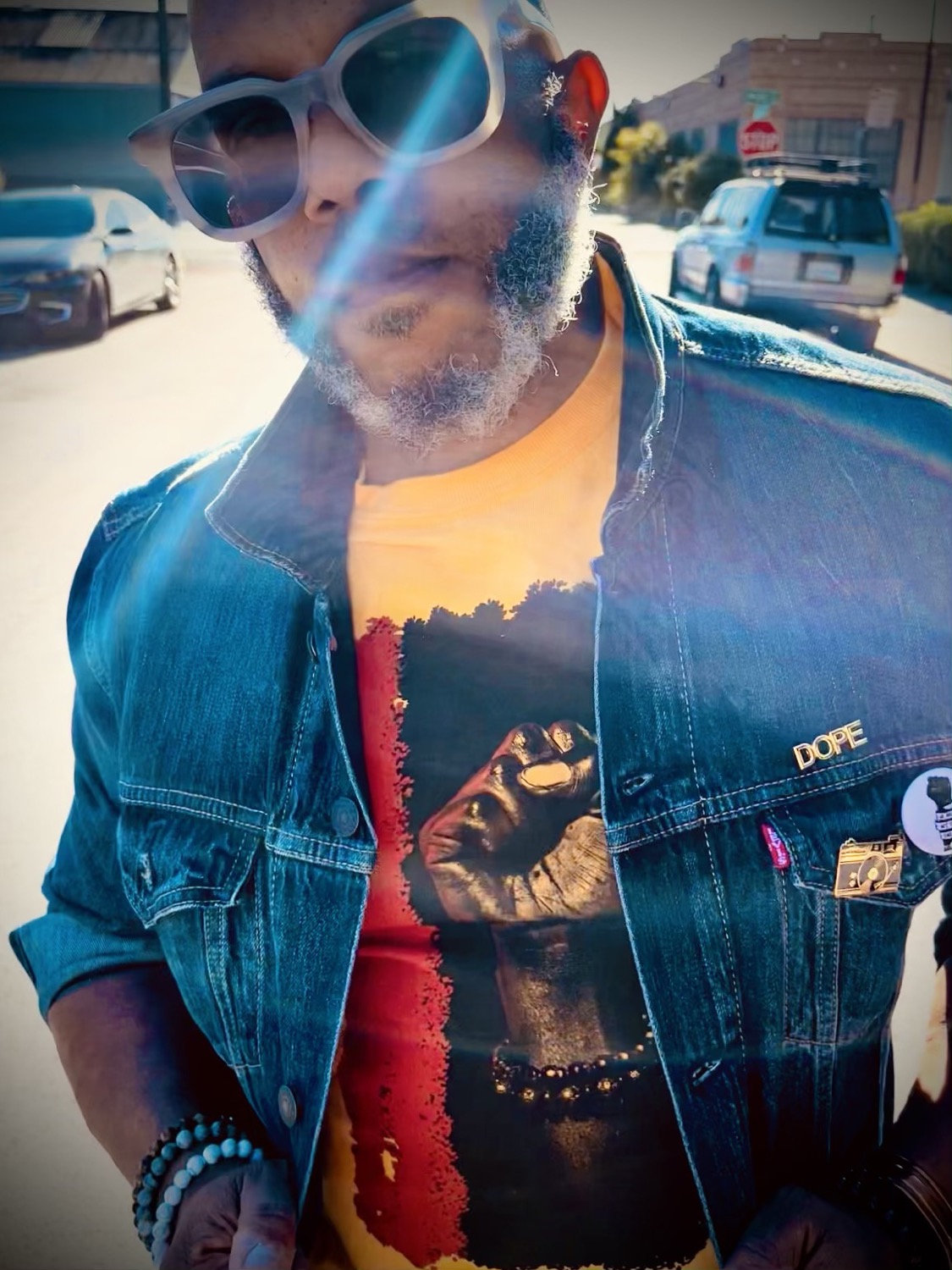
Your headshot often reaches the room before you do. It sits beside your bio, LinkedIn profile, speaker page, press feature, portfolio, or company website and makes a quick visual case for your professionalism. Knowing how to prepare for headshots means showing up with less guesswork, more confidence, and an image that feels like you on a strong day.
A great headshot is not about becoming more formal, more fashionable, or more polished than your real life. It is about being intentional. The best preparation gives your photographer a clear starting point, then leaves room for expression, direction, and a little personality on set.
Start With the Job Your Headshot Needs to Do
Before choosing an outfit or booking a haircut, decide where this image will live. An executive updating a company leadership page may need a different visual language than a therapist building a personal practice, a creative director pitching clients, or an actor refreshing a casting profile.
Look at the platforms that matter most. Your headshot should feel at home on them without disappearing into the crowd. If your brand is clean and corporate, prioritize polish and clarity. If you work in a creative field, you may have more room for color, texture, and a fashion-forward silhouette. Entrepreneurs often benefit from a look that feels both credible and approachable.
Bring a few reference images to your session, but use them as a direction, not a blueprint. Notice what you respond to: the lighting, the energy, the wardrobe, the crop, or the expression. Your face and your work should lead the final image, not someone else's pose.
How to Prepare for Headshots With the Right Wardrobe
Choose clothing that supports your face rather than competes with it. Solid colors, refined textures, and clean lines photograph well because they keep attention where it belongs. Deep blues, warm neutrals, jewel tones, black, and cream can all work beautifully, depending on your complexion, hair, and the background.
The right color is personal. A bright red blazer may look powerful for one founder and distracting for another. If you are unsure, bring two or three options. A photographer can quickly see which pieces work best under the lighting and against the selected backdrop.
Fit matters more than the label. A tailored jacket, structured shirt, or well-fitting knit reads as considered on camera. Avoid clothing that pulls at buttons, slips off the shoulder, wrinkles easily, or requires constant adjustment. If you have to keep checking it in the mirror, it will likely interrupt your expression during the shoot.
Patterns are not off-limits, but they need restraint. Small tight stripes, loud logos, and high-contrast prints can pull focus or create visual distortion on screen. If your work calls for a bolder point of view, a statement piece can be effective. Keep the rest of the look simple so it feels editorial rather than busy.
Bring garments on hangers when possible, and steam them before you arrive. Do not rely on folding a shirt in a bag and hoping it recovers. Small creases can be retouched, but starting with clean, camera-ready clothing saves time and keeps the session focused on your presence.
Groom for the Camera, Not a Different Person
Headshot preparation is not the moment for a dramatic haircut, new beard shape, aggressive facial treatment, or unfamiliar makeup style. Plan any major grooming changes at least several days before your session. That gives your skin and haircut time to settle and gives you time to decide whether the result still feels right.
For makeup, aim for an elevated version of your everyday look. Camera lighting can soften features, so a little definition around the eyes, brows, and complexion helps. The goal is even skin and confident detail, not a heavy mask. If you are working with a makeup artist, share how and where you will use the photos so they can match the finish to the purpose.
Men and anyone who shaves should consider shaving close to the session, allowing enough time to avoid redness. If you wear facial hair, clean up the edges and check for stray hairs around the beard, mustache, brows, and nose. Moisturize, but skip products that leave an overly shiny finish.
Hands may appear in some portraits, especially branding images. Clean nails, lotion, and simple grooming are worth the attention. If you wear glasses every day, bring them. They are part of how people recognize you. Clean the lenses and, if possible, bring a second pair in case reflections become an issue.
Give Yourself a Better 24 Hours
The night before a headshot session should be low drama. Drink water, get solid sleep, and avoid anything likely to leave you puffy, irritated, or depleted the next morning. You do not need to be perfect. You just want to arrive feeling awake enough to be present.
Eat something before your shoot. A headshot session requires more energy than most people expect because you are listening, adjusting, moving, and holding expressions over time. A meal or substantial snack helps you stay focused and relaxed. Bring water, especially if you are coming from a busy workday or navigating Bay Area traffic.
Build in extra time. Rushing into the studio after a delayed meeting or parking scramble can show up in your shoulders and eyes. Give yourself a cushion to settle in, change, and shift out of task mode.
Practice Expression, Not Poses
You do not need to arrive knowing exactly how to pose. Strong headshots come from responsive direction, small adjustments, and a photographer who knows how to read what is working. Still, it helps to spend a few minutes noticing your natural expression in a mirror or phone camera.
Try a relaxed smile, a more serious look, and the expression you make when you are listening to someone you trust. Notice whether you tend to tighten your jaw, lift your chin, or force a smile. This is not about correcting yourself. It simply makes you more aware of habits that can show up when a camera is pointed at you.
During the session, keep your attention on connection rather than perfection. A slight turn of the shoulders, a change in your eye line, or one deeper breath can shift the entire frame. The most compelling images usually have an alive quality to them. They do not look frozen in a pose.
Communicate What You Need Before the Session
Tell your photographer what the images are for and what you want people to feel when they see them. Words such as approachable, sharp, grounded, creative, authoritative, warm, or high-fashion provide useful direction. So does explaining what has not worked in previous photos.
If you need a horizontal image with negative space for a website banner, an updated team headshot that matches existing images, or a vertical portrait for press and social media, say so early. Technical needs shape the framing and shot list. They are easy to plan for and much harder to recreate later.
At MooD-ology Photography, the session can move beyond a basic head-and-shoulders portrait when your work calls for it. A personal brand may benefit from a mix of clean headshots, environmental portraits, detail shots, and images with movement. The key is deciding what supports your visibility rather than collecting photos without a clear use.
Bring the Details That Make the Image Yours
The most useful accessories are often subtle: a watch, favorite earrings, a necklace, a signature pair of frames, or a jacket that makes you stand taller. Bring options, then edit with intention. An accessory should add character, not announce itself before your face does.
If your headshots are part of a larger brand refresh, consider the visual system around them. Your website colors, presentation style, office setting, and audience expectations can inform the wardrobe and background. Consistency builds recognition, but it should not flatten your personality.
You can also bring a lint roller, blotting papers or powder, lipstick or balm, a comb or brush, and a backup shirt. These are small safeguards, not a full production kit. The goal is to keep you comfortable and ready.
Let the Session Be a Collaboration
Preparation gives you control over the parts you can plan. Once the camera is up, let the process do its work. Take direction, ask questions, and be honest if a pose or outfit does not feel like you. The strongest headshots balance strategy with ease.
You are not trying to prove that you are photogenic. You are creating a clear, current visual introduction to the person behind the work. Arrive prepared, give yourself permission to settle in, and let your expression carry the rest.


Comments