

Can Photographers Retouch Skin? The Right Approach
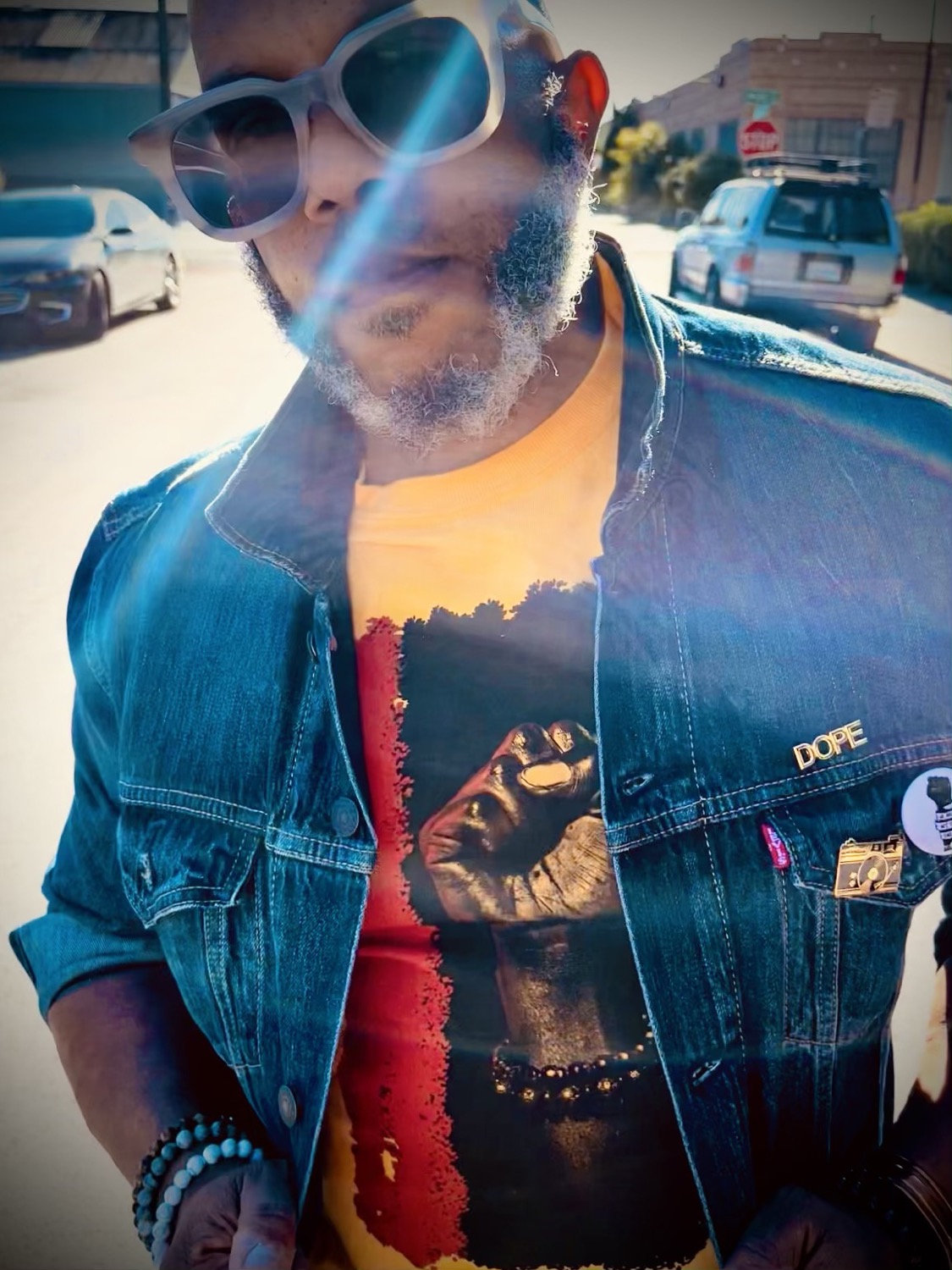
A camera can capture a great expression, confident posture, and strong personal style, then freeze a temporary breakout or under-eye shadow in the same frame. So, can photographers retouch skin? Yes. The better question is what kind of retouching serves the image and still leaves you looking like yourself.
For a professional headshot, a founder’s branding session, or a fashion-forward portrait, retouching is part of a polished final product. It should support your presence, not replace it. Skin has texture, dimension, and character. A good edit respects all three.
Can Photographers Retouch Skin Naturally?
Absolutely. Professional skin retouching can reduce distractions while preserving the details that make a portrait believable. The goal is not a plastic, blurred finish. It is a clean, intentional image where the viewer notices your expression first.
Natural retouching commonly addresses temporary concerns: a blemish that appeared the morning of your session, dry patches, redness, stray hairs, shine, or a minor scratch. It can also balance uneven skin tone, soften under-eye darkness, and refine areas where makeup, lighting, or wardrobe created an unintended distraction.
The distinction matters. Removing a single breakout is different from reshaping someone’s facial features, erasing every line, or lightening and altering skin beyond recognition. One improves the presentation of the moment. The other can change the person in the photograph.
For most branding and headshot clients, a refined but realistic result is the strongest choice. Your LinkedIn profile, company website, speaker bio, and press materials should feel aligned with the person who walks into the room. That consistency builds trust.
What Skin Retouching Usually Includes
Every photographer has a different editing workflow, so it is smart to discuss expectations before you book. In a professional session, standard retouching often includes cleanup rather than transformation.
That may mean reducing temporary blemishes, evening out minor redness, controlling shine, softening distracting under-eye shadows, and cleaning up flyaway hairs that cross the face. An editor may also make subtle adjustments to teeth, eyes, and lips when those refinements help the image feel finished. The best work is nearly invisible. You should not be able to point to the edit. You should simply feel that the image represents you at your best.
More detailed work can be appropriate for beauty portraits, editorial fashion, campaign images, or large-format prints. These uses often call for closer inspection and a more controlled visual finish. They also take more time. High-end retouching is not a one-click filter. It involves careful, image-by-image attention to preserve pores, natural highlights, facial structure, and realistic color.
The Difference Between Retouching and Changing Your Appearance
Retouching becomes complicated when the request moves from cleanup to identity change. There is no universal rule, because personal comfort, image use, and creative direction all matter. Still, a useful line is whether the adjustment reflects a temporary condition or permanently changes how you are perceived.
A pimple, a small bruise, or a patch of irritation may be gone by next week. Removing it from a portrait is usually straightforward. Freckles, scars, moles, laugh lines, and natural texture are more personal. Some clients love these features and want them left untouched. Others prefer a softer treatment. Neither preference is wrong, but it should be your choice.
Requests involving body reshaping, skin tone changes, facial slimming, or removing defining features deserve a direct conversation. In business imagery especially, overly altered photos can create an uncomfortable mismatch between your online presence and your real-life presence. A confident portrait does not need to pretend.
A skilled photographer can also solve many concerns before retouching begins. Flattering light, thoughtful posing, the right camera angle, makeup that works for photography, and a calm pace can make a major difference. Editing is part of the craft, but it should not carry the whole shoot.
How to Ask for the Retouching You Want
Be clear before the session and again when you receive your proof gallery. You do not need technical editing vocabulary. Describe how you want the final image to feel: polished, editorial, clean, natural, dramatic, approachable, or minimally retouched.
If there is a feature you do not want changed, say so. If a temporary issue is bothering you, mention it without hesitation. A photographer cannot always anticipate what feels significant to you, especially when a feature is subtle or personal.
It also helps to share the intended use of your images. A corporate headshot for an executive team may need restrained, consistent retouching. A creative portrait for an album release or fashion portfolio may call for more stylized skin work. A wedding gallery needs a balanced approach across many images and people, with editing that still feels true to the day.
When you provide visual references, use them to communicate mood rather than demand an exact copy. Lighting, skin tone, makeup, and individual features all affect the final result. A professional can translate what you like about a reference into an approach that works for your face and your session.
Why Good Retouching Takes Time
The fastest edits are often the most obvious. Heavy smoothing tools can erase texture, flatten the face, and create halos around hairlines or facial edges. They may look acceptable on a phone screen, then fall apart on a website banner, print, or high-resolution monitor.
Careful retouching works at a smaller scale. The editor corrects individual distractions while leaving the natural pattern of the skin intact. They pay attention to color shifts around the nose, eyes, and mouth, preserve highlights on the cheekbones, and avoid turning a living face into a uniform surface.
That level of care explains why photographers may include a set amount of retouching with selected final images rather than heavily edit every proof. It allows the final collection to receive the attention it deserves. If you need extensive refinement across multiple images, ask about the scope, turnaround time, and any additional retouching fee upfront.
Retouching for Headshots, Branding, and Portraits
The right level of editing changes with the assignment. A job seeker or executive often benefits from clean, natural retouching that keeps the focus on confidence and approachability. Entrepreneurs may want a little more polish for website banners, launch campaigns, and social media assets, especially when images will sit beside designed graphics and professional copy.
Creative portraits can make room for a bolder point of view. Skin may be luminous, sculpted by contrast, or intentionally textured to match wardrobe and art direction. That is not less authentic. It is a different visual language.
At MooD-ology Photography, that distinction is part of the conversation. A headshot should work hard for your career. A portrait can be expressive. A fashion image can be built with more edge. The retouching should match the purpose, not follow a generic preset.
What You Can Do Before Your Session
Arrive rested if you can, hydrate normally, and avoid trying unfamiliar skincare treatments immediately before your shoot. New products, harsh exfoliation, or a last-minute facial can sometimes create redness or irritation that makeup and editing must work harder to manage.
Bring blotting papers if you tend to get shiny, and consider professional makeup when the session is high stakes or when you want a more camera-ready finish. Makeup artists understand how lighting reads on skin, but the goal is still to look like you. For men and anyone who does not typically wear makeup, light grooming and shine control can be just as effective.
Most of all, do not postpone a session because your skin is not having a perfect week. Professional lighting, direction, and thoughtful retouching exist for exactly this reason. A strong photograph is built around your energy, expression, and point of view. Let the image show up for you, not an impossible version of you.


Comments