

Headshot Photography That Looks Like You
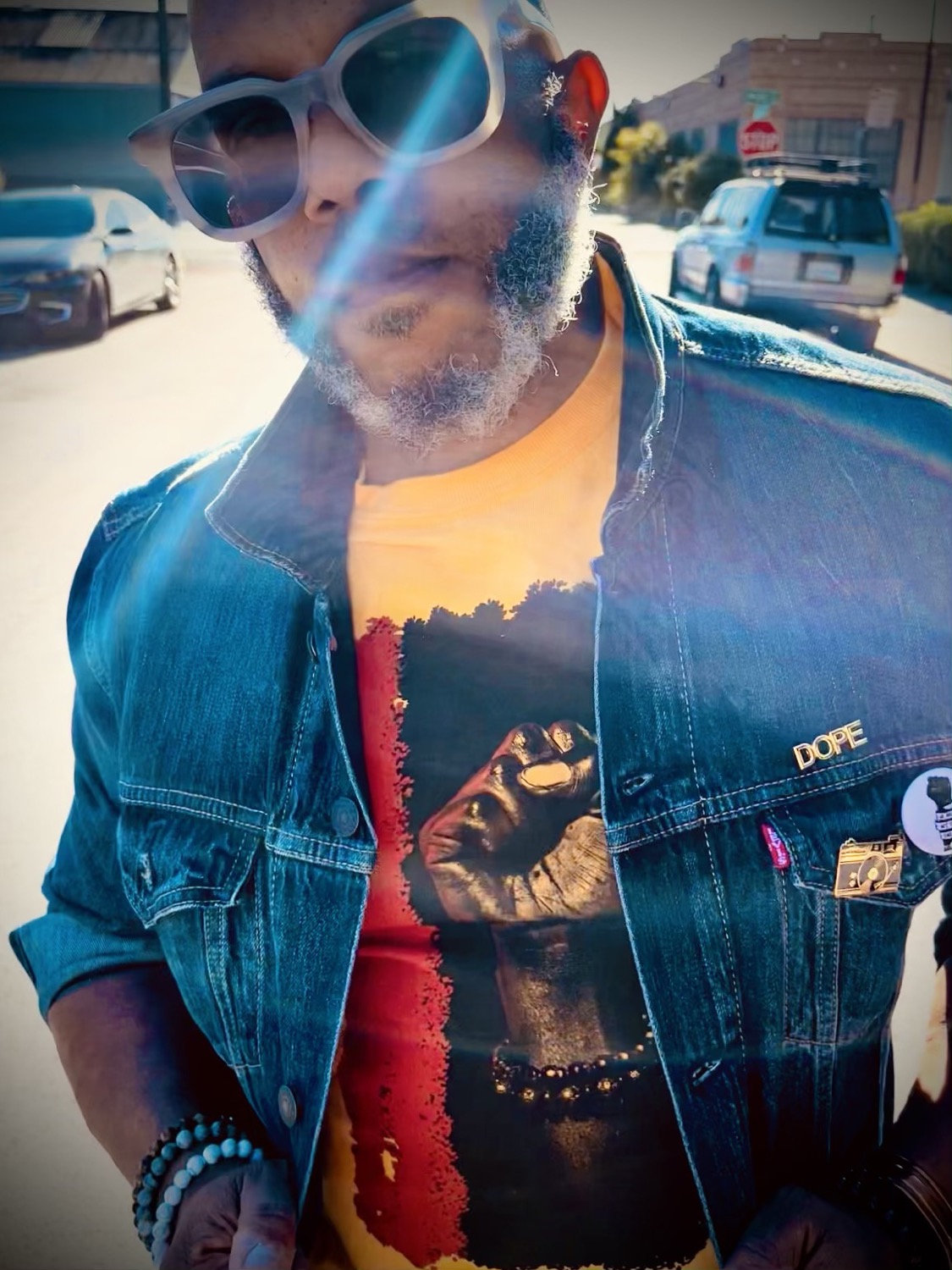
Your headshot is often the first room you walk into before you arrive. It appears beside your name on LinkedIn, your website, a speaker bio, a press mention, a casting profile, or a company announcement. Headshot photography should do more than prove what you look like. It should make people feel your presence: composed, credible, engaged, and unmistakably you.
For Bay Area professionals, that matters. The market is full of sharp people with strong résumés, original ideas, and ambitious businesses. A generic photo can make even excellent work feel interchangeable. A considered headshot gives your public-facing identity the same level of intention you bring to the work itself.
What a Strong Headshot Actually Communicates
A professional headshot is not just about flattering light and a clean background, although both matter. It is a piece of visual positioning. Before someone reads your bio or opens your portfolio, they are already taking cues from your expression, posture, wardrobe, color palette, and the overall mood of the image.
The right photo can communicate quiet authority, creative range, approachability, precision, or leadership. The goal is not to manufacture a personality you do not have. It is to photograph the version of you that is ready to be seen at the next level.
That is why a headshot deserves more thought than a quick crop from a vacation photo or a rushed image taken against an office wall. Those photos may be perfectly fine in a personal context, but public-facing work asks for more clarity. You want an image that says you are intentional without looking overly managed.
Headshot Photography Is Not One-Size-Fits-All
The best style depends on where the photograph will live and what you need it to do. A founder leading a new company, an attorney building referral relationships, a musician releasing work, and a job seeker entering a competitive field do not need identical images.
A traditional corporate headshot often uses a simple background, controlled lighting, and a close crop. It works well when consistency, trust, and a polished team presence are the priority. Think executive bios, company directories, conference materials, and professional services.
A personal branding portrait offers more room for environment, gesture, wardrobe, and visual story. It can show you working in a studio, meeting with clients, creating, speaking, or moving through a space that fits your brand. This approach is especially useful for entrepreneurs, consultants, artists, and small-business owners who need more than one profile image.
Then there is the editorial headshot. It brings a fashion-aware eye to the session through stronger composition, bolder styling, expressive posing, or dramatic light. It is an effective choice for performers, creatives, and leaders whose work benefits from a more distinctive visual presence. The trade-off is simple: a more stylized image can be memorable, but it still needs to feel aligned with the platforms and people you are trying to reach.
Start With the Use, Not the Outfit
Before choosing clothes or saving pose ideas, decide where your images will appear over the next six to twelve months. Your answer should shape the shoot.
If the primary use is LinkedIn or a company website, your headshot may need a direct, approachable frame with enough clean space for a tight crop. If you are updating a personal brand, you may need a mix of close headshots, half-body portraits, and wider images that leave room for website text or social graphics. If you are pursuing press, speaking engagements, or creative work, a stronger editorial point of view may be exactly what separates your image from the usual lineup.
This planning also helps you avoid a common mistake: asking one image to serve every purpose. A close, classic headshot can be excellent for LinkedIn but may not give your brand enough visual material for a website launch. If visibility matters to your business, build a small library rather than relying on one perfect file.
What to Wear for a Headshot That Holds Up
Wear clothing that feels like the sharpest, most intentional version of your usual style. If you never wear a suit, forcing one into the session can show in your posture. If your audience expects formal polish, however, a casual T-shirt may undercut the message. The sweet spot is credibility with ease.
Solid colors and subtle texture generally photograph well because they keep attention on your face. Deep neutrals, rich earth tones, tailored layers, and colors that complement your skin tone tend to create a refined result. Large logos, busy patterns, overly reflective fabrics, and tiny high-contrast prints can pull attention away from your expression.
Bring options when possible. A jacket, a second shirt, or a different neckline can create distinct looks without changing the entire session. This is especially valuable for founders and creatives who need variety across several platforms.
Grooming should feel like you on a very good day. Plan haircuts and color appointments with enough time for them to settle. Makeup can help even out tone under professional lighting, but the goal is not to erase your features. Texture, character, and confidence photograph beautifully when the light and direction are right.
Direction Is the Difference Between Stiff and Natural
Most people are not professional models, and they should not have to be. Strong headshot photography is guided. A photographer should help you adjust your shoulders, chin, hands, gaze, and pace until the image feels relaxed rather than posed.
Tiny shifts make a major difference. Turning slightly from the camera can create shape. Leaning forward a fraction can bring energy. Dropping the shoulders and lengthening the spine can change how authority reads in the frame. These are not tricks. They are the practical details that help a photograph feel alive.
Expression takes time, too. The first few frames often carry the tension of arriving, checking your clothes, and wondering what your face is doing. A well-directed session gives you room to settle in. The goal is not a permanent smile. It is range: warm, focused, open, serious, playful when appropriate. Your final selection should reflect the way you want people to experience you.
At MooD-ology Photography, the process is built around that balance of commercial polish and expressive portraiture. The image needs to work hard for your career or brand, while still carrying a point of view.
Studio or Environmental Headshots?
A studio headshot gives you control. The light is consistent, the background is intentional, and the focus stays squarely on you. It is a smart option when you need a clean, versatile image that can fit a corporate site, media feature, professional profile, or company roster without competing with the layout.
An environmental portrait creates context. An Oakland studio, workspace, storefront, textured wall, or carefully selected outdoor setting can add dimension to your story. It can also make the photo feel more personal and less formal. The risk is distraction. The setting should support your identity, not become the main subject.
There is no universal winner. If you need simplicity and flexibility, start in the studio. If your space, craft, or personal brand is central to your work, add an environmental look. Many professionals benefit from both.
Plan for the Crop
One of the least glamorous parts of headshot planning is also one of the most useful: think about how the image will be cropped. LinkedIn favors a small square. Websites may use a horizontal banner. Publications may need vertical space. Social platforms can cut aggressively.
During the session, make sure there are frames with room around your head and shoulders, along with tighter images that hold their impact at small sizes. Ask for a mix of vertical and horizontal orientation if your image will be used across multiple channels. A beautiful portrait that cannot be placed properly in your website design is less useful than it should be.
This is also why current images matter. If your appearance, hair, style, role, or business direction has changed, update the photograph. You do not need a new headshot every few months, but you should not make someone wonder whether the photo represents the person they are meeting.
Choose the Image That Feels Most True
After a session, people often choose the image they think looks the most conventionally attractive. That instinct is understandable, but it is not always the best business decision. The strongest choice is often the frame that feels clear, present, and believable.
Look for eye contact that holds attention, posture that feels grounded, and an expression that matches your work. Ask whether the photo would make sense to a client, collaborator, hiring manager, or audience member who meets you in person. A polished headshot should create recognition, not surprise.
Your image does not need to be louder than you are. It needs to be accurate at full volume. Show up prepared, bring a clear purpose, and let the session make space for the version of you people need to see next.


Comments