

Corporate Team Headshots Oakland That Work
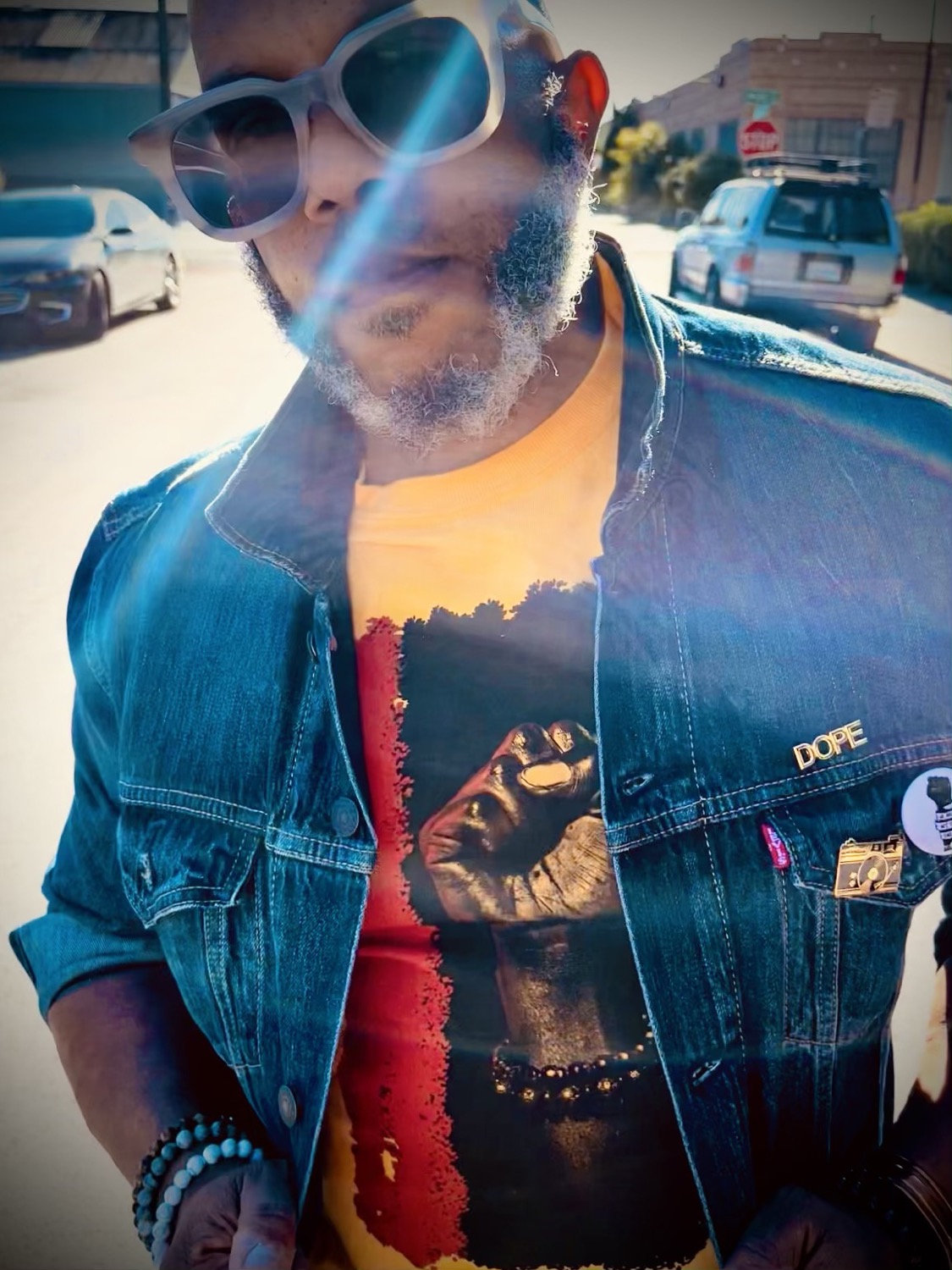
A team page can make a company look established in seconds - or make it feel like everyone submitted a different passport photo. When people are comparing services, considering a partnership, or deciding whether to apply, they read the visual cues before they read the copy. Strong corporate team headshots Oakland businesses can stand behind create a clear, credible first impression without flattening the people who make the company distinct.
For Bay Area teams, the goal is not to make every employee look identical. It is to create visual continuity: portraits that belong together, support the brand, and still feel like real people. That requires more than a clean backdrop and a camera. It requires direction, an intentional setup, and a plan for how the images will actually be used.
What Corporate Team Headshots Need to Do
A good corporate headshot has a job. It may need to carry a founder’s authority on an investor deck, help a prospective client put a face to the person handling their account, or make a growing agency’s website feel considered rather than improvised. One image often appears in several places, including LinkedIn, company bios, proposal documents, press announcements, speaker profiles, and internal communications.
That range calls for restraint. A highly stylized portrait can be beautiful, but it may not crop well for LinkedIn or sit naturally alongside the rest of a team page. A completely flat, generic image is safe, but it can erase the personality that makes a brand memorable. The strongest approach sits in the middle: polished enough for commercial use, expressive enough to feel human.
Consistency matters because it signals care. When lighting, framing, color treatment, and backgrounds change from one employee to the next, the viewer may not know why the page feels disconnected. They simply feel the difference. A cohesive set of portraits gives even a small team more visual presence.
Start With the Brand, Not the Camera
Before scheduling a session, decide what the company should look like in public. A law firm, architecture studio, technology startup, nonprofit, and creative agency can all need professional headshots, but they should not necessarily use the same visual language.
Ask a few practical questions. Is your brand measured and formal, warm and people-first, editorial and design-led, or energetic and approachable? Will the photos live mostly on a white website, a dark presentation deck, or an image-driven social feed? Is the team client-facing, public-facing, or mostly recruiting? Those answers shape wardrobe, backdrop, lighting, posing, and crop choices.
A neutral studio background is versatile and keeps attention on each person. It is often the right call for teams that need clean, durable images across many platforms. An environmental portrait in an office, warehouse, or Oakland streetscape can add context and texture, especially for brands built around place, craft, or culture. The trade-off is longevity. Spaces change, visual trends move, and busy backgrounds can limit where an image works.
For many teams, a studio setup delivers the best balance. It creates repeatable results, avoids weather and office-lighting surprises, and lets new hires be photographed later without breaking the look of the original set.
Make the Session Easy on Your Team
The hardest part of team headshots is rarely the photograph. It is coordination. People are busy, some employees are camera-shy, and a shoot can lose momentum if no one knows when they are up or what they should wear.
Build a simple schedule with short appointment windows and a little breathing room. For a smaller group, photographing everyone in one block can create energy and make the day feel collaborative. For a larger organization, staggered time slots reduce waiting and keep work moving. The right format depends on team size, location, and how much individual variation the final image set requires.
Send wardrobe guidance before the session, but keep it useful rather than controlling. Solid colors usually photograph more cleanly than tiny patterns or prominent logos. Mid-tone and rich colors tend to separate well from neutral backdrops, while bright white, pure black, or reflective fabric can need more careful lighting. Most important, people should wear something that feels like a refined version of themselves. A jacket, blouse, knit, or structured shirt that fits well will read better than an outfit chosen solely because it seems “corporate.”
Encourage team members to arrive camera-ready, while allowing time for small adjustments. A lint roller, blotting sheets, a comb, and a quick mirror check solve more problems than complicated preparation. If hair and makeup services are part of the plan, account for them in the schedule instead of treating them as an afterthought.
Direction Changes Everything
Most people do not need to learn how to pose. They need clear, calm direction from someone who knows what the camera sees. A slight turn of the shoulders, a change in chin position, a better hand placement, or a shift in posture can make a meaningful difference in a final portrait.
The same is true of expression. “Smile” is not useful direction for everyone. Some people look their best with a relaxed, direct expression. Others become more approachable when they laugh between takes and settle into a natural smile. The objective is not one fixed expression across the entire company. It is a consistent level of confidence and ease.
That is where an art-directed session earns its value. The photographer should pay attention to the small things that clients may not see in the moment: collar alignment, posture, flyaway hair, eyeglass glare, how a garment sits when someone is seated, and whether an expression feels open or forced. A thoughtful session gives people room to settle in, rather than rushing them through a transaction.
Corporate Team Headshots Oakland Companies Can Update
Teams grow, titles change, and new hires should not have to wait a year to look like they belong on the website. When planning corporate team headshots in Oakland, think beyond launch day. Document the chosen backdrop, lighting style, lens perspective, crop, and editing approach so future sessions can match the existing collection.
This is especially useful for startups and small businesses in growth mode. The headshots from a five-person team may become the visual standard for a company of 25. Creating a repeatable look early protects the investment and keeps the brand from becoming visually fragmented over time.
It also helps to request deliverables based on actual use. A vertical crop may be ideal for LinkedIn and speaker pages, while a horizontal option may serve presentations and press layouts. High-resolution files are useful for print, but web-ready versions save time for the person updating the site. If your team needs both individual headshots and a few editorial-style group images, plan for both from the start. They serve different purposes.
A Better Alternative to the “Everyone Gets One Photo” Plan
One clean headshot per person is essential. It should not always be the only image you create. Founders, leadership teams, sales professionals, and client-facing experts often benefit from a small personal branding set that includes more than one expression, crop, or pose.
This does not mean every employee needs a full campaign shoot. It means recognizing that a CEO appearing in media interviews has different image needs than a new team member whose portrait will live primarily on an internal directory. Invest where visibility is highest, while keeping the core headshot system consistent for everyone.
For brands that want a more editorial edge, add a limited number of environmental or fashion-informed portraits after the primary headshots are complete. These images can support recruiting, social content, launch announcements, and brand storytelling. Keep the standard portraits as the foundation. Let the more creative work add dimension.
The Details People Notice Without Realizing
Professional headshots are not about making people look like someone else. They are about removing distractions so presence comes through. Good lighting gives shape to a face without creating harshness. Intentional retouching handles temporary blemishes, lint, or under-eye fatigue without removing texture or character. Consistent color makes the full team set feel unified.
The final selection process matters, too. Choose the image that communicates the role and personality of the person pictured, not simply the one with the biggest smile. A calm, confident portrait may be perfect for an operations leader. A brighter, more animated image may better fit a community-facing director. Every image should feel credible on its own and connected to the larger group.
MooD-ology Photography approaches team sessions with that balance in mind: commercial-ready portraits with a refined, expressive visual point of view. The result is not a row of interchangeable faces. It is a team that looks prepared to be seen.
Your company’s headshots do not need to be stiff to be professional, and they do not need to chase a trend to feel current. Give your people clear direction, give the images a consistent system, and create portraits that still feel right when the next opportunity puts your team in front of someone new.


Comments