

9 Best Poses for Business Portraits That Work
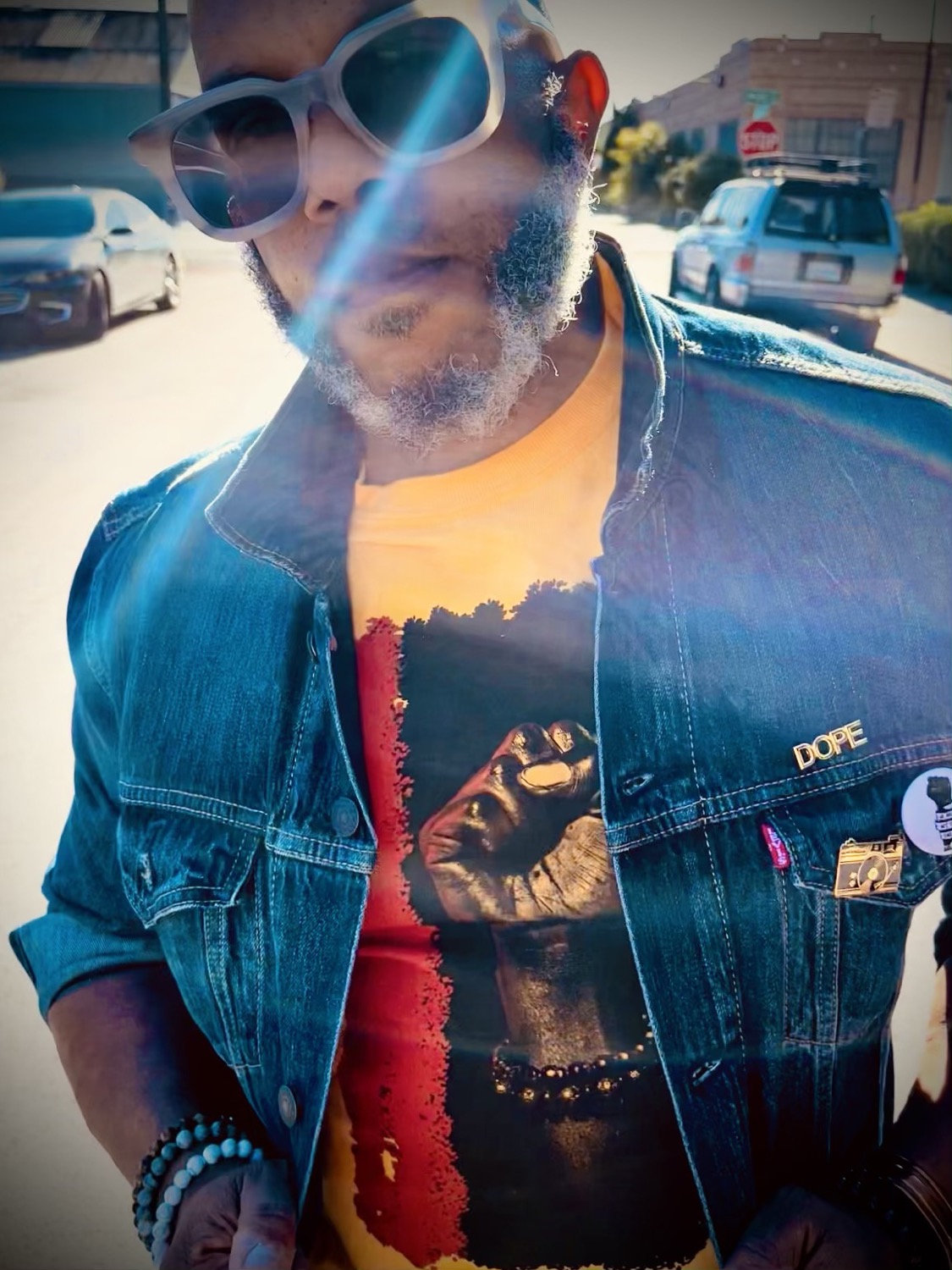
A business portrait can lose authority in a fraction of a second. A clenched hand, shoulders turned too far from camera, or a smile held too long can make a capable professional look uncomfortable. The best poses for business portraits solve that problem without making you look posed. They create presence: relaxed, clear, intentional, and appropriate for the work you want to be known for.
For a LinkedIn headshot, the goal may be approachable credibility. For a founder’s website, it may be leadership and momentum. A creative director, attorney, consultant, performer, and real estate professional should not all stand the same way. Good direction starts with the message, then gives the body a shape that supports it.
Start With Posture, Not a Pose
Most strong portraits begin before the hands, chin, or smile are considered. Stand tall without forcing your chest forward. Let your shoulders settle down and back, then shift your weight so it is not distributed evenly on both feet. That small asymmetry immediately looks more natural than standing square and rigid.
Keep your chin slightly forward and gently down, rather than pulling it back. This defines the jawline while keeping the expression open. The camera sees small adjustments more clearly than you do, which is why a photographer may ask for a movement that feels almost too subtle to matter.
Your hands need a job. Letting them hang flat at your sides can work for a close crop, but full or three-quarter portraits benefit from a purposeful placement. A hand in a pocket, a light touch at the jacket lapel, or one hand resting on a desk gives the frame a reason to exist.
9 Best Poses for Business Portraits
1. The Angled Standing Portrait
Turn your body about 30 to 45 degrees away from the camera, then bring your face back toward the lens. Put more weight on the back leg and let the front knee soften. This is one of the most dependable business portrait poses because it adds shape through the shoulders and torso without feeling theatrical.
It works especially well for executives, consultants, job seekers, and anyone who needs a polished headshot with enough range for a website bio or speaking profile. Keep both arms relaxed. If you are wearing a blazer, lightly holding one lapel can prevent the arms from looking pressed against your sides.
2. The Seated Lean-In
Sit near the front edge of a chair, lengthen through the spine, and lean forward just slightly from the hips. Rest your forearms loosely on your thighs or bring one elbow to a knee. The effect is engaged and present, rather than overly formal.
This pose is ideal for coaches, advisors, therapists, founders, and service professionals whose work depends on trust. The trade-off is that too much lean can feel aggressive or distort the body in a wide-angle image. The movement should be subtle, with the camera position and crop doing the rest.
3. The Chair-Back Turn
Sit sideways on a chair, with your torso rotated toward camera. One arm can rest along the chair back while the other sits naturally in your lap or at your waist. It creates a composed editorial feel that is less expected than a standard seated headshot.
Use this pose when your personal brand has style, personality, or a creative edge. It can be strong for artists, fashion professionals, performers, and entrepreneurs, but it still needs clean posture and an uncluttered wardrobe. The chair should support the image, not become the focus.
4. The Walking Frame
Take a slow, short walk toward or across the camera’s frame while keeping your attention slightly past the lens. A photographer will often direct this as a repeatable movement instead of trying to capture one perfect stride. The result can feel energetic, decisive, and modern.
Walking portraits are useful for branding sessions that need room for website headers, social content, or launch materials. They are less useful when you only need a tightly cropped corporate headshot. The setting matters here: a clean Oakland studio, a refined office, or an architectural outdoor location can all work, as long as the background does not compete with you.
5. The Crossed-Arm Variation
Crossed arms can communicate confidence, but they can also look closed off when done too tightly. Keep the shoulders down, leave space between the arms and torso, and make sure the hands are visible rather than tucked away. Shift your weight to one side and keep a relaxed expression.
This pose suits leaders, technical experts, attorneys, and professionals who want a direct, assured visual presence. It is usually stronger as one frame in a varied gallery than as the only pose. Pair it with more open options so your final images do not send a single, overly guarded message.
6. The One-Hand Pocket Pose
Place one hand in a pocket with the thumb left out, or rest your fingers at the pocket opening. Keep the other arm relaxed, holding a jacket lapel, or positioned naturally by your side. Turning the body slightly away from camera adds a clean line through the suit, dress, or shirt.
The one-hand pocket pose is versatile because it removes the question of what to do with your hands while keeping the body open. It is particularly effective for full-length and three-quarter business portraits. Avoid putting both hands fully into pockets unless the intended look is notably casual.
7. The Desk or Table Anchor
Stand beside a desk or table and place one hand lightly on its surface. You can angle your hip toward it, lean in a fraction, or use the edge as a visual anchor while keeping your shoulders directed toward camera. This creates a grounded portrait that feels connected to real work.
For a founder, designer, architect, or business owner, this pose can add context without turning the image into an office snapshot. Keep props selective. A laptop, notebook, or product may help tell the story, but too many objects dilute the portrait. Your face remains the priority.
8. The Direct, Centered Headshot
For some professionals, the most effective option is also the simplest: shoulders mostly square to camera, eyes directly into the lens, and a calm expression. It is strong because it does not rely on visual tricks. The energy comes from eye contact, posture, lighting, and a genuine sense of ease.
This is often the right choice for corporate directories, legal and financial profiles, media bios, and any setting where clarity matters more than lifestyle branding. A centered pose does require careful direction. Even a slight dropped shoulder or a tiny turn of the torso keeps it from becoming stiff.
9. The Look-Away Editorial Portrait
Turn your eyes just off camera and let the expression become more reflective, focused, or lightly amused. Your body can remain angled, seated, or in motion. This pose gives a gallery range and can make brand imagery feel less like a conventional headshot.
Use it for website banners, press features, social campaigns, and creative portfolios. It is not a replacement for at least one direct-eye-contact image, especially if prospective clients need to quickly connect with you. Think of it as the image that adds atmosphere after the essential portrait has been secured.
Expression Is the Difference Between Polished and Performed
A forced smile is usually caused by holding an expression rather than moving through one. Instead of trying to “smile for the camera,” take a breath, relax your jaw, and let the expression arrive after a prompt or brief conversation. A small smile can be more persuasive than a broad one, depending on your role and personality.
You do not need to look serious to look credible. You do need to look like yourself on a good day. For a more authoritative frame, soften the mouth while keeping alert eyes. For an approachable frame, let the cheeks lift naturally and avoid raising the chin. The best sessions create options across that range.
Dress for Movement and the Final Crop
Your wardrobe affects what poses are available. A tailored jacket gives shape to standing portraits and works beautifully with a lapel touch or pocket pose. Structured dresses, clean knits, and shirts with an intentional collar also photograph well. Choose pieces you can sit, turn, and breathe in without continually adjusting them.
Avoid overly tight sleeves, distracting patterns, or accessories that shift every time you move. If your images will be used across LinkedIn, a website, press releases, and social platforms, bring a second layer or alternate top. A simple wardrobe change can create a distinct set of images without changing the core visual identity.
Let Direction Do Its Job
The strongest business portraits are collaborative, but you should not have to arrive with a list of camera-ready poses memorized. An experienced photographer watches for tension, adjusts the angle of a shoulder, refines a hand position, and knows when an expression is starting to feel overworked.
At MooD-ology Photography, the aim is not to fit every client into one corporate formula. It is to create imagery that reads as professional while leaving room for personality, style, and the level of creative confidence your work calls for.
Choose two or three poses that fit the way you want to be perceived, then give yourself permission to move between them. The frame people remember is rarely the one where you tried hardest. It is the one where your posture, expression, and purpose finally line up.


Comments