

Entrepreneur Photo Session Guide for a Stronger Brand
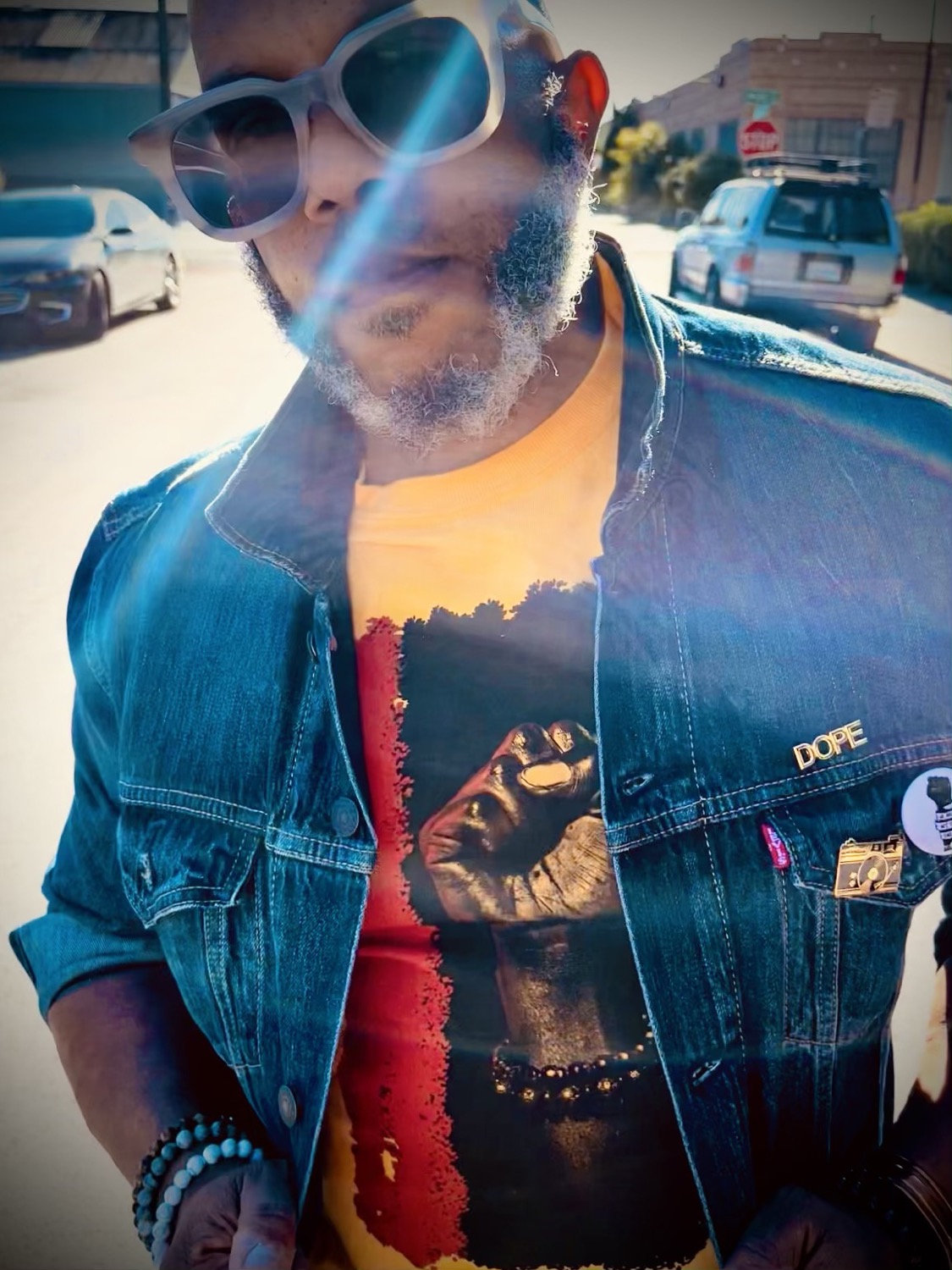
A founder’s website can have sharp copy, a strong offer, and a clean logo, then lose momentum the moment visitors reach a dim event photo or a five-year-old crop from someone else’s wedding. This entrepreneur photo session guide is built to prevent that gap. Your images should make the same promise your business makes: clear, credible, distinct, and ready for the room you want to enter.
Brand photography is not about collecting flattering pictures for their own sake. It is about creating visual proof that you are present, capable, and prepared to lead. For a consultant, that may look like focused, approachable authority. For a designer or artist, it may mean a more editorial point of view. For a founder selling a product, it may require equal attention to the person behind the company and the details that make the work real.
Start With the Job Your Photos Need to Do
Before choosing an outfit or saving inspiration, decide where the photos will live. A useful session is designed around use, not around a single perfect portrait. Your homepage needs horizontal space for text. LinkedIn calls for a tighter, direct frame. Press features often need high-resolution vertical portraits. Social posts benefit from motion, detail, and images that can be cropped several ways without losing their energy.
Write down the next six to twelve months of visibility for your business. Think website refresh, speaking engagements, podcast appearances, launch announcements, media outreach, investor materials, recruiting, newsletters, and social campaigns. This list turns a photo session from a cosmetic expense into a working asset library.
A strong gallery usually includes a clean headshot, three-quarter portraits, wider environmental images, candid working frames, and a few intentional close-ups of hands, tools, products, or materials. The right mix depends on your business. A financial advisor may not need fifteen laptop photos. A chef, maker, stylist, or product founder may need those process details as much as they need a traditional portrait.
Define the Feeling Before the Location
Words are more useful than vague image references. Choose three to five descriptors for how your brand should register at first glance: precise, warm, disruptive, grounded, luxurious, playful, editorial, approachable, or quietly powerful. Those words guide wardrobe, lighting, posing, and setting.
A sleek studio portrait can communicate confidence with very little visual noise. An architectural Oakland location may suit a creative director, real estate professional, or founder whose work lives in the city. A workspace can add context, but only if it supports the story. If the office is cluttered, poorly lit, or visually generic, it can make an otherwise premium brand feel improvised.
Build an Entrepreneur Photo Session Plan That Creates Range
The best sessions have a simple visual arc. Begin with the safest, most universally useful look, then move toward images with more personality. This lets you secure the polished essentials before experimenting with a bolder wardrobe change, a distinct location, or more expressive posing.
Plan two or three looks rather than bringing a packed suitcase of possibilities. Too many options consume shooting time and often create a disjointed final gallery. Each look should have a role. One can be refined and professional, another more relaxed and conversational, and a third more fashion-forward or creative if that matches your audience.
Color matters, especially for images that will repeat across a website and social presence. Neutrals, deep tones, and intentional color accents usually photograph with more longevity than loud patterns or logos. That does not mean every founder needs to wear black, beige, or navy. It means the color should feel chosen. If your brand is known for saturated color, include it with purpose rather than treating it as an afterthought.
Fit matters even more than the label. Clothing that pulls at the shoulders, wrinkles easily, or requires constant adjustment will show up in your posture. Bring garments steamed and on hangers. Test them while sitting, standing, reaching, and turning. A look that works in a mirror may not work under lights or in a seated portrait.
For personal details, keep the frame clean. Choose jewelry, glasses, watches, and props that belong to your everyday professional identity. A favorite notebook, camera, product sample, sketchbook, or tablet can add texture when it is genuinely part of your work. Random props tend to read as stock photography.
Treat Direction as Part of the Service
You do not need to know how to pose. You do need to arrive ready to be directed and willing to slow down long enough for small adjustments. The difference between a usable image and a compelling one is often a lowered shoulder, a shifted chin, a more relaxed hand, or a moment of movement between formal poses.
Tell your photographer what feels natural and what does not. Some people are strongest in still, direct portraits. Others come alive while walking, speaking, arranging an object, or interacting with their work. Neither approach is better. The goal is to create an image that feels composed without looking stiff.
Good direction should also account for your audience. A leadership coach may need open posture and eye contact that feels grounded. A tech founder may benefit from cleaner, more minimal framing. A fashion entrepreneur might want sharper styling, stronger angles, and images with an editorial edge. MooD-ology Photography approaches this balance with commercial usefulness and creative portrait sensibility, so the result can work hard without looking generic.
Do Not Chase Every Trend
Reference images help establish a visual language, but they should not become a copy-and-paste assignment. A trend may look right on someone with a different brand, location, body type, or business model. Use inspiration to identify what you respond to: soft light, close crops, contrast, movement, tailored styling, color, or negative space.
The most durable images are specific to you. A well-made portrait can stay relevant for years when it communicates your actual presence rather than a temporary internet aesthetic. You can refresh the library later with campaign-specific imagery, but your core photos should not date themselves within a season.
Make Time for the Details People Actually Notice
Most entrepreneurs focus on the hero headshot, then overlook the images that make a website feel alive. Capture hands typing, reviewing notes, packaging an order, adjusting a garment, meeting with a client, or examining a sample. These frames create transitions between larger portraits and give your marketing team visual options.
Leave room in selected compositions for text. This is especially useful for website banners, email headers, paid ads, and event graphics. Tell the photographer when you need image space on the left or right. It is a small production choice with a major payoff when your designer does not have to place copy over your face.
Consider your background with the same care. A white or neutral studio setup is flexible and clean, but it may not tell the full story. A location can add depth and local character, yet it introduces variables such as weather, foot traffic, permits, and inconsistent light. There is no universally correct choice. A focused studio session often delivers the strongest foundational assets, while a location session can expand the library once your core image needs are covered.
Prepare Like It Is a Client-Facing Meeting
Schedule your session at a time when you are not racing from another obligation. Plan grooming, hair, makeup, and wardrobe preparation early enough that you can arrive settled. If you work with a makeup artist, ask for camera-ready polish that still resembles you. Heavy trends can be distracting if your public image is otherwise understated.
Bring water, a lint roller, backup basics, and any tools or products you truly need in the frame. If you wear glasses, clean them carefully. If you are bringing a laptop, remove distracting stickers unless they are part of your brand. Silence notifications before shooting. These small choices protect the pace and focus of the session.
Also prepare your mindset. Many accomplished people become self-conscious in front of a camera because they are used to being evaluated for ideas, results, or leadership rather than appearance. Let the session be collaborative. Your job is not to perform perfection. Your job is to show up, take direction, and give the camera enough range to capture your confidence.
Use Your Final Gallery With Intention
Once the images are delivered, choose one primary headshot and use it consistently across LinkedIn, speaker bios, directory listings, and email platforms. Consistency helps people recognize you. Then rotate the wider and more expressive images across your website, social content, press materials, and launch campaigns.
Avoid posting the entire session in one week. A good gallery should support months of communication. Pair portraits with a point of view, a product announcement, a client story, or a behind-the-scenes note about your work. The image catches attention; the message gives it direction.
Your brand does not need to look like everyone else’s to look professional. It needs to look considered. When the visuals carry your real energy, expertise, and ambition, the right people can recognize the value before the conversation even starts.


Comments