

Editorial Fashion Photographer Oakland, Defined
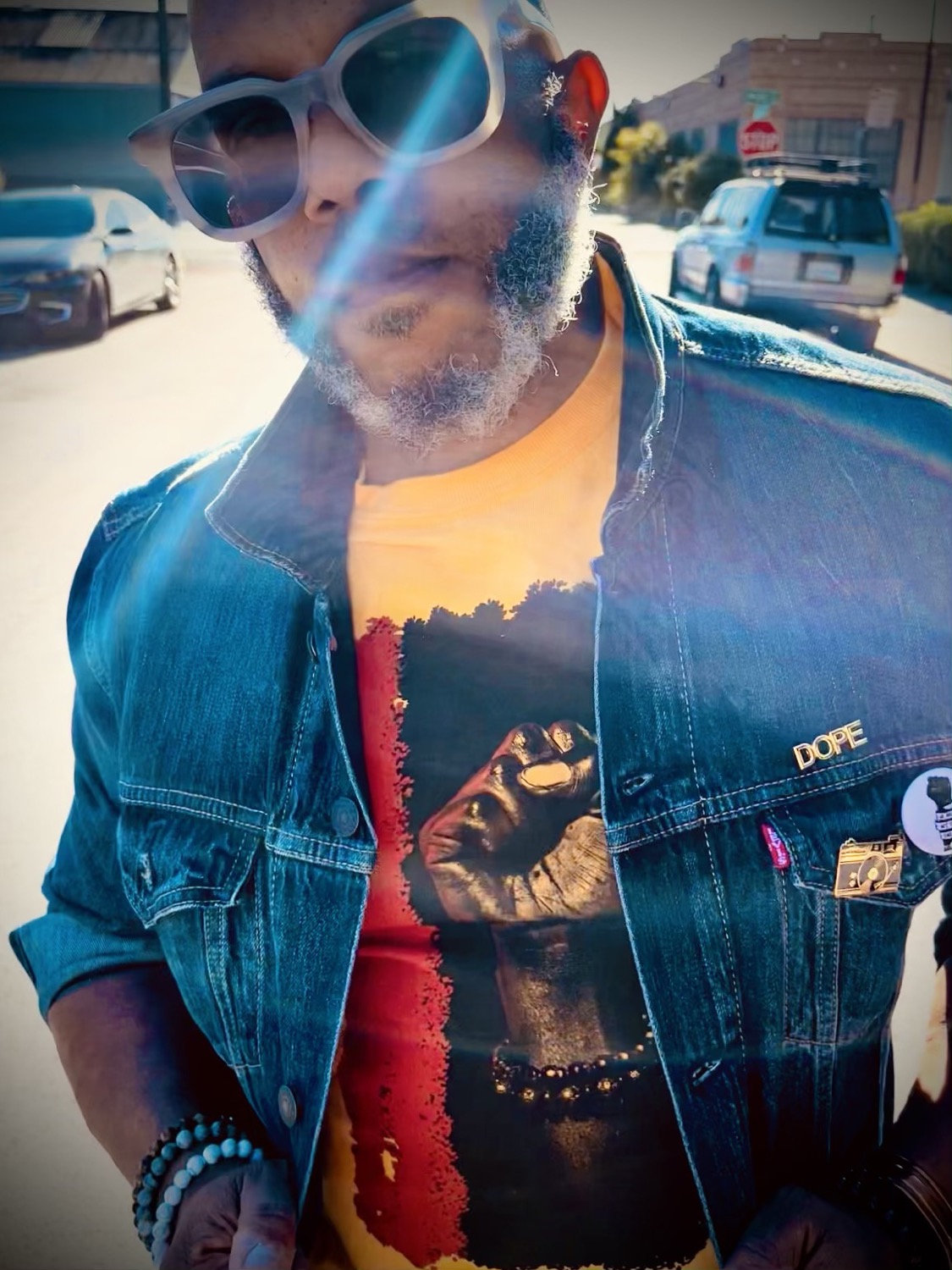
A strong fashion image does more than show what someone wore. It creates a point of view before the viewer reads a caption, visits a website, or hears a pitch. The right editorial fashion photographer Oakland clients choose understands that the clothes, casting, light, pose, and location all need to speak the same visual language.
For creatives, founders, performers, designers, and style-forward professionals across the Bay Area, editorial photography is not about looking like everyone else with better lighting. It is about building images with intention. The result can support a portfolio, a campaign, a press feature, a personal brand, or simply a new chapter that deserves more than a quick snapshot.
What Makes Editorial Fashion Photography Different
Editorial fashion photography begins with a concept. That concept may be polished and minimal, bold and graphic, intimate and cinematic, or built around a single piece that deserves the frame. Unlike a standard portrait session, the goal is not only to make the subject look good. The goal is to make the image feel authored.
That requires more direction. A photographer considers composition, posture, movement, styling, expression, set design, and the relationship between the subject and the environment. A glance away from the camera might communicate more than a conventional smile. A hard shadow may add the tension a softbox would erase. A cropped frame can make a jacket, hand, or silhouette feel more powerful.
Editorial does not mean distant or overproduced. It means deliberate. The best images leave room for personality while holding a clear visual standard.
Why Oakland Is a Strong Setting for Fashion Images
Oakland offers contrast, and contrast is useful on camera. A clean studio portrait can deliver control and consistency. Outside the studio, textured architecture, industrial details, vivid murals, open sidewalks, and dramatic Bay Area light can give a fashion story texture without turning the background into a distraction.
The setting should follow the concept, not the other way around. A founder launching a refined luxury brand may need a controlled studio look with sculptural light and negative space. A musician, designer, or performer may want the energy of an exterior location that feels lived-in and immediate. A model updating a book may need both: clean, agency-ready frames plus expressive editorial work that shows range.
Oakland also carries a creative confidence that photographs well. It is not interested in imitation. That matters when the goal is imagery with identity rather than images that could have been made anywhere.
How an Editorial Fashion Photographer in Oakland Builds a Shoot
The strongest sessions are shaped before the camera comes out. A clear pre-production conversation protects the creative direction and makes the day more efficient. Start with the purpose of the images. Are they for a clothing collection, a professional rebrand, a magazine submission, a portfolio refresh, social content, or personal creative expression? Each use case asks for a different balance of polish, experimentation, and deliverables.
From there, the visual direction gets specific. Reference images are useful, but they should identify patterns rather than become a shot-for-shot copy. Look for recurring details: saturated color or muted tones, direct flash or soft window light, clean backgrounds or layered environments, close beauty portraits or full-body movement. Those choices create the framework for a shoot that still feels original.
Styling Is Part of the Story
Wardrobe is not an accessory to the session. It is one of the main creative tools. Bring options that offer shape, texture, and variation in silhouette. A blazer, structured coat, flowing fabric, strong footwear, or a single unexpected accessory can change the visual rhythm of a set.
Avoid choosing every look because it is simply flattering in the usual sense. Fashion photography often benefits from pieces with presence. The camera responds to structure, layers, contrast, and movement. That said, the clothing still has to feel connected to the person wearing it. An image can be high-concept without looking like a costume.
If the work is for a brand or collection, make a practical shot list alongside the creative one. Detail images, full looks, product-focused frames, vertical crops, and negative space for text may all be necessary. Editorial energy is valuable, but it should not come at the expense of usable campaign assets.
Direction Creates Confidence on Camera
You do not need modeling experience to make editorial images. You need a photographer who can direct with clarity. Small adjustments in chin angle, shoulder position, hands, weight distribution, and timing can transform a frame. Good direction gives you something concrete to do, so you are not left trying to invent poses while feeling watched.
Movement helps, too. Walking slowly, shifting through a garment, turning into light, or changing focus from the lens to a point just beyond it can create natural variation. The point is not to manufacture a mood. It is to give the camera enough options to find the image that feels honest and elevated.
At MooD-ology Photography, that art-directed approach is paired with practical session planning, so clients can create expressive images without losing sight of where the work needs to live.
The Trade-Off Between Trend and Longevity
Fashion moves fast. Your images do not always need to. A highly current visual treatment can be exactly right for a campaign, a launch, or an artist release that needs immediate impact. But if the photos will live on a website, press page, or portfolio for years, it is smart to build in a few frames with lasting utility.
This is not an argument for playing it safe. It is an argument for shooting with range. Use the dramatic makeup, unusual styling, or bold lighting setup when it serves the concept. Then make time for a few direct, clean portraits that allow your face, work, or product to lead. Those images tend to stay useful long after a specific visual trend has passed.
The same principle applies to retouching. Editorial finishing should look intentional, not generic. Skin can retain texture. Fabric should still look like fabric. Color grading can establish mood, but it should not bury the detail that makes an image feel premium. Retouching is most effective when it supports the photograph instead of announcing itself.
Choosing the Right Photographer for Your Vision
A portfolio should show more than attractive faces and expensive clothing. Look for visual control across different people, body types, skin tones, settings, and concepts. Can the photographer make a quiet image feel considered? Can they work with strong color? Do the subjects look directed rather than frozen? Does each set have a distinct point of view while still feeling professionally finished?
It also helps to ask how the photographer approaches planning. A beautiful portfolio is only one part of the experience. You want someone who can translate a loose idea into an achievable shoot, recommend the right setting, set expectations around wardrobe and timing, and guide the session without flattening your personality.
Budget matters, but comparison should go beyond the session length. Consider what is included in the creative process, the level of direction, location and lighting needs, image selection, retouching, and the intended usage of the final work. A straightforward studio session and a location-based campaign with multiple looks are not the same production. The right investment depends on what the images need to accomplish.
Make the Images Work After the Shoot
Editorial photos deserve a plan beyond a single post. Select a mix of hero images, closer portraits, full-body frames, and detail shots so you can use the work across different formats. A wide image may belong on a website banner. A vertical crop may perform better for social content. A clean portrait can support a speaker bio or press kit, while the more expressive frames build atmosphere for a launch.
Consistency matters when these images join your existing public presence. Consider how the color palette, styling, and energy will sit beside your logo, website, packaging, or prior content. You do not need every image to match exactly, but the full collection should feel like it came from the same person or brand.
The most effective editorial fashion photography gives people something specific to remember. Come to the shoot with a purpose, a few strong references, and room for the unexpected. Then let the details - the light, the styling, the direction, and your presence - do the work of turning a look into a visual statement.


Comments