

Studio Versus Outdoor Headshots: Which Fits?
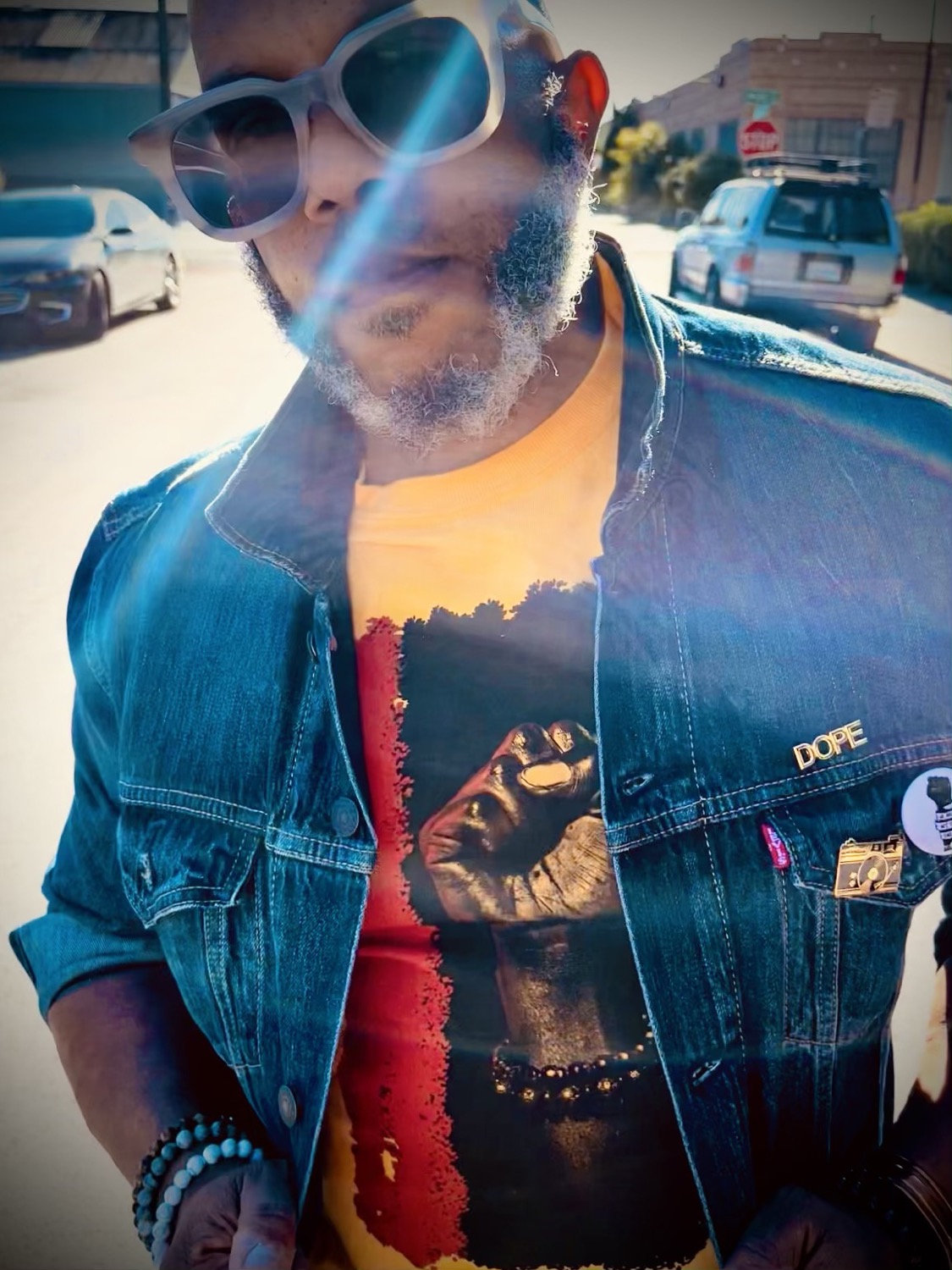
A headshot is often the first handshake your audience gets from you. Before they read your bio, book a call, or hear you speak, they have already formed an impression from one image. That is why the choice between studio versus outdoor headshots is not simply about where you stand. It is a decision about control, personality, context, and how you want to be remembered.
For a Bay Area founder, executive, artist, performer, or job seeker, either setting can produce a strong image. The right choice depends on the role the photo needs to play. A LinkedIn profile, a company leadership page, an actor's portfolio, and a creative director's personal brand do not need to say the same thing.
Studio Versus Outdoor Headshots: The Real Difference
Studio headshots are built around intention. The lighting, backdrop, composition, and visual energy are shaped around your face and your goals. Outdoor headshots introduce a second voice into the frame: the environment. Architecture, trees, street texture, sun direction, and the movement of a public space all contribute to the image.
Neither is automatically more professional. A studio portrait can feel clean, commanding, and high-end. An outdoor portrait can feel approachable, current, and connected to a place. The question is whether the background supports your public identity or competes with it.
If your image needs to work across several platforms for months or years, a studio session offers consistency that is difficult to match outside. If your brand is rooted in culture, design, hospitality, real estate, wellness, or creative work, the right outdoor location may give the image needed dimension.
When a Studio Headshot Is the Stronger Choice
A studio is the best setting when you want the viewer's attention to stay on you. Controlled light can define your features, maintain flattering skin tone, and create a polished result without relying on the weather or a passing break in foot traffic. This makes studio portraits especially effective for executives, attorneys, consultants, financial professionals, speakers, and teams that need a cohesive visual standard.
It is also the practical choice for companies refreshing multiple employee headshots. When every person is photographed with a similar lighting setup and background, the team page looks considered rather than assembled over time. The result communicates organization before anyone reads a word of copy.
Control creates range
A studio session is not limited to one plain backdrop and one expression. With thoughtful direction, small changes in posing, wardrobe, backdrop color, and lighting can create images for LinkedIn, press features, speaker materials, company websites, and social profiles in one session. You can move from direct and authoritative to relaxed and conversational without changing locations.
For people who feel camera-shy, the studio can also be more comfortable. There is privacy, less visual noise, and more time to settle into the process. You are not performing for pedestrians or waiting while the sun shifts. Good direction matters here. The goal is not to force a generic corporate smile, but to create an expression that reads as confident, open, and believable.
Studio does not have to mean stiff
The outdated version of the studio headshot is a flat flash, a rigid pose, and a background that could belong to anyone. That is not the only option. Editorial lighting, refined contrast, intentional styling, and simple movement can give a studio image texture and personality while keeping it useful for professional platforms.
A black, gray, white, or custom-toned background can each change the message. Darker tones often feel more cinematic and authoritative. Light, clean backgrounds can feel modern and accessible. The best choice is guided by your industry, wardrobe, and where the image will live.
When Outdoor Headshots Make More Sense
Outdoor headshots work best when your environment is part of your story. A founder who works in sustainable design, a realtor known for neighborhood expertise, a chef, an architect, or a creative professional may benefit from a setting with place and atmosphere. A well-chosen street, gallery exterior, textured wall, park edge, or modern building can add visual context without becoming a distraction.
In the Bay Area, outdoor sessions can also feel naturally aligned with a brand that is independent, design-conscious, and less traditional. Oakland's character, San Francisco's architecture, and the region's changing light offer visual options that a neutral backdrop cannot replicate.
That freedom comes with variables. Outdoor light is beautiful, but it changes quickly. Midday sun can create hard shadows and squinting. Wind can affect hair and wardrobe. Busy locations can put unwanted signage, cars, or people into the frame. A photographer who understands location, timing, and light can manage those elements, but they remain part of the process.
The setting must earn its place
An outdoor background should provide mood, not clutter. If the location tells viewers nothing useful about your work, it may make the image less versatile. A dramatic mural might be ideal for an artist or musician and feel out of place for a corporate leadership bio. Likewise, a lush landscape can suit a wellness brand but may not support a sharp, tech-forward positioning.
Think about crop flexibility, too. Your website might use a wide environmental portrait, while LinkedIn and most press outlets will crop closely around your face. The strongest outdoor headshots still work when the background disappears into a small circle or vertical frame.
Choose Based on Where the Image Will Be Used
Start with distribution, not aesthetics alone. A single image may appear on LinkedIn, your website, pitch decks, conference materials, social media, booking pages, and press announcements. Those uses create different visual requirements.
A studio image is usually the more flexible default for broad professional use. It holds up well in a tiny profile photo, matches existing brand colors more easily, and works beside other team portraits. Outdoor images often perform beautifully as website banners, Instagram content, portfolio features, and personal brand storytelling, where there is room for atmosphere.
For many clients, the best answer is not choosing one forever. It is building a small, intentional library. Start with a studio headshot that handles the essential professional roles. Then add environmental portraits that show more personality, movement, and brand context. This creates options without making your visual identity feel inconsistent.
Wardrobe Changes the Decision
Your clothing should work with the setting, not fight it. In a studio, saturated color, clean neutrals, tailored layers, and statement accessories can be controlled against a simple backdrop. Outdoors, patterns and colors need to be considered against the location. A jacket that looks sharp against charcoal gray may disappear against a dark building, while a busy print can compete with textured walls or foliage.
Bring choices, but avoid treating wardrobe as an afterthought. Choose pieces that fit well, reflect your actual professional style, and let you move comfortably. If you never wear a suit, putting one on for a headshot may create a polished image that does not feel like you when someone meets you. On the other hand, if your work places you in boardrooms, press interviews, or client presentations, showing up overly casual can send the wrong signal.
The strongest wardrobe is often one step more elevated than your everyday look, not a costume.
A Practical Decision for Bay Area Professionals
Choose a studio session if you need reliable, consistent, distraction-free images; you are photographing a team; or you want an elevated portrait that can serve many professional uses. Choose outdoors if location is central to your work, your brand benefits from a lived-in and expressive feel, or you need content with more environmental storytelling.
If you are undecided, consider your next opportunity. Are you applying for a leadership role, launching a website, announcing a new business, auditioning, speaking at an event, or updating your public profile after a career shift? The image should meet that moment while leaving room for what comes next.
At MooD-ology Photography, the approach is art-directed but grounded in function: create the image people need to use, then make it memorable enough that they want to use it everywhere.
Your headshot does not need to imitate someone else's version of professionalism. It needs to make the right people feel that meeting you would be a good decision.



Comments