

Portrait Photography That Looks Like You
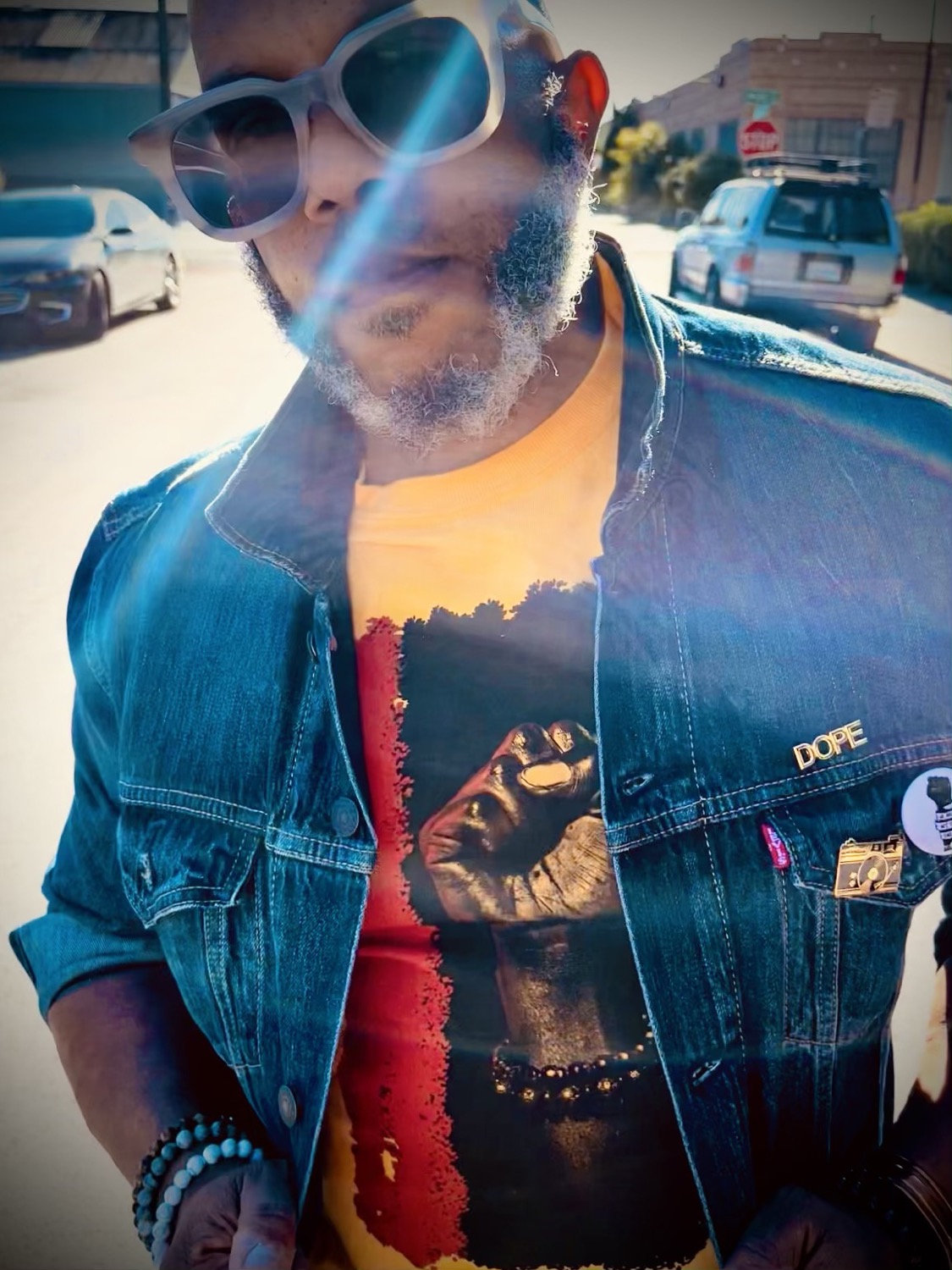
A strong portrait can do more than show your face. It can establish authority before a meeting, give a creative project its visual point of view, or preserve a version of yourself that deserves to be seen clearly. That is the real work of portrait photography: creating an image that feels considered, elevated, and unmistakably yours.
For Bay Area professionals, founders, artists, performers, and fashion-forward individuals, a portrait is rarely just a portrait. It may become the first image a potential client sees on your website, the photo attached to a press feature, the visual anchor of a new launch, or the image your family keeps long after a milestone has passed. The best sessions begin by deciding what the image needs to communicate.
Start With the Purpose of the Portrait
A polished headshot and a creative editorial portrait may both feature the same person, but they are built for different jobs. A corporate leader may need an image that feels confident, approachable, and current. An entrepreneur may need a set of branding images with room for website banners, social posts, speaking announcements, and media features. A performer may want movement, edge, and a stronger sense of character.
Purpose shapes every decision that follows: wardrobe, backdrop, expression, framing, lighting, and final crop. Without that clarity, a session can produce attractive images that do not quite work where you need them.
Before your shoot, consider where the photographs will live. A LinkedIn profile calls for direct eye contact and a clean, credible presentation. A founder's website may benefit from environmental portraits that show you at work or place you within a designed setting. Fashion portraits can make room for stronger styling, graphic posing, and a more deliberate relationship with light and shadow.
You do not need to arrive with a complete creative brief. You do need a clear answer to one question: what should someone understand about me when they see this image?
The Difference Between Being Photographed and Directed
Most people are not professional models, and they should not have to be. Good direction is what turns the pressure of being in front of the camera into a collaborative process.
A photographer should help shape posture, hands, shoulders, chin position, expression, and movement in ways that still feel natural to you. Small adjustments make a substantial difference. Turning one shoulder slightly away from camera can create a more relaxed line. Shifting weight changes the energy of a standing pose. A slight change in camera height can make a portrait feel more open, grounded, or commanding.
The goal is not to make everyone pose the same way. It is to find the angles and gestures that support your features, personality, and intended message. Someone building a high-level consulting practice may want a composed, steady presence. A musician or designer may need a portrait with more texture and spontaneity. Both deserve direction, but the direction should fit the person.
This is also why a session should leave room for momentum. The first few minutes often feel more formal. Once you settle into the rhythm of the shoot, expressions become easier, posture loosens, and the images gain more life. The strongest frame may arrive after the pose has been refined, not before.
Styling Is Part of the Story
Wardrobe is not an afterthought. It is one of the clearest ways to control the visual language of a portrait.
For professional headshots, choose clothing that fits well, photographs cleanly, and aligns with the level of formality your industry expects. Solid colors are often a smart starting point, especially deeper neutrals, rich earth tones, and jewel tones that hold their shape under studio light. Avoid overly small patterns, prominent logos, or fabrics that wrinkle easily unless that texture is intentional.
For branding or creative portraiture, styling can go further. A structured jacket, standout jewelry, a monochrome look, or a garment with movement can give an image more editorial range. The trade-off is that bolder choices can date more quickly or pull attention away from your face. That is not automatically a problem. It depends on whether the portrait needs to feel timeless, trend-aware, or distinctly tied to a particular season of your work.
Bring options when possible. A second jacket, shirt, accessory, or layer can create a noticeable shift without changing the entire setup. It also gives you choices in the final gallery: one image that is clean and versatile, another that carries more personality.
How Light Changes the Message
Lighting is not only technical. It is emotional design.
Soft, even light tends to feel open, polished, and approachable. It works well for personal branding, executive portraits, and headshots where clarity matters. More directional light can create dimension, drama, and a fashion-driven edge. It can emphasize texture, shape, and mood, making it a strong choice for artists, creatives, and anyone who wants a portrait with a more cinematic presence.
Neither approach is automatically better. A dramatic portrait may be memorable, but it may not be the best lead image for a law firm bio or a recruiting profile. A bright studio headshot may be highly useful, but it may not express the full range of a creative director's work. A thoughtful session can produce both, as long as the plan allows for it.
Location matters here as well. An Oakland studio offers consistency, privacy, and control over light, backdrop, and timing. Outdoor or on-location sessions bring atmosphere and context, but they introduce variables such as weather, foot traffic, mixed lighting, and tighter scheduling. If the location is central to your story, those variables may be worth it. If you need clean, repeatable assets, a studio setup is often the smarter choice.
Give Yourself Enough Time to Settle In
The most common mistake people make before a portrait session is rushing. They schedule a shoot between meetings, arrive in clothes they have not tried on together, or expect a single quick frame to cover every professional need for the next several years.
Make space for the process. Arrive early enough to reset. Steam or lint-roll your wardrobe. Put your phone away for a few minutes. If hair and makeup are part of your plan, build in buffer time so you are not carrying stress into the first frame.
It also helps to think beyond one favorite photo. A complete portrait session can provide a practical mix of close headshots, three-quarter images, vertical compositions, horizontal frames, serious expressions, warmer moments, and details that support your broader brand. That variety lets you use the work across platforms without repeating the exact same image everywhere.
Choose Images for Use, Not Just Immediate Approval
When reviewing your final gallery, the image you are most drawn to is not always the one that will serve you best. A dramatic close-up may be perfect for a portfolio or social announcement, while a simpler composition may work better in a website header, an article byline, or a speaker bio.
Look for photographs that have clear expression, strong posture, and enough negative space for the formats you use most often. Ask whether the image still feels like you on a good day, not like a version of you performing for the camera. That distinction matters. People respond to polish, but they also respond to recognition.
At MooD-ology Photography, the aim is not to force every client into one look. It is to create refined images with enough intention to work hard for you and enough personality to feel personal.
The right portrait does not need to announce that it was carefully made. It simply makes people pause, understand your presence, and want to know what comes next.

Comments