

How to Prepare for Corporate Portraits With Style
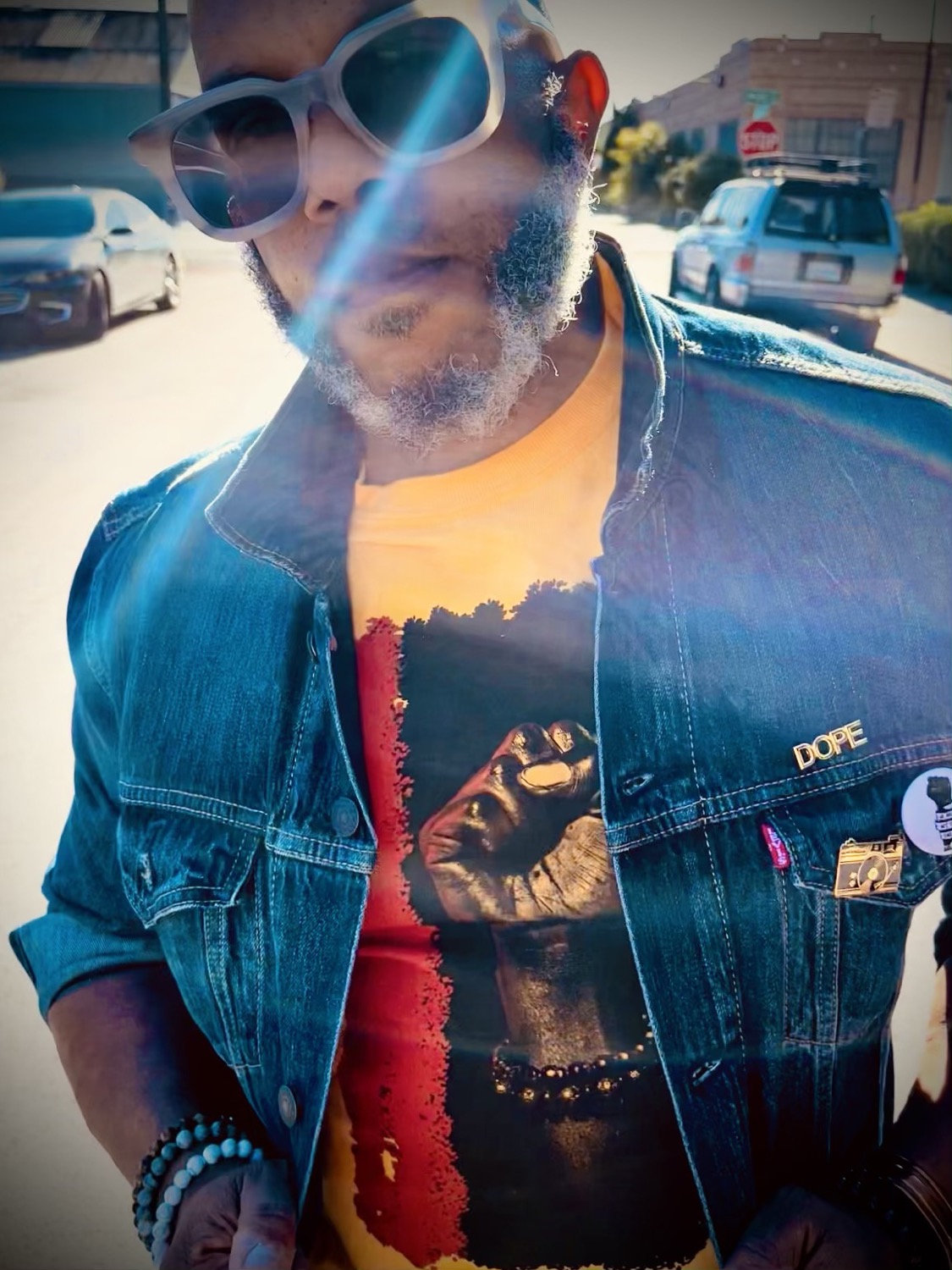
Your corporate portrait may be the first room you enter before you ever arrive. It appears beside a proposal, on LinkedIn, in a speaker bio, on a company site, or in the press. To prepare for corporate portraits well, think beyond looking professional. The goal is to look like yourself at your most clear, capable, and current.
A strong portrait does not need to feel stiff or overly formal. It should give people a quick, confident read on who you are and how you work. That takes a little intention before the camera comes out.
Prepare for Corporate Portraits by Defining the Use
Start with where the images will live. A founder building a personal brand needs something different from a financial executive updating a company directory. A creative director may need a more editorial image for a portfolio and press features, while a job seeker may need a straightforward, approachable LinkedIn photo.
Consider whether the portrait is primarily for an individual profile, a company website, media use, recruiting, social media, or a campaign. That answer guides your wardrobe, background, framing, and level of creative expression. If your team has brand colors or established visual standards, bring them into the conversation, but do not let them flatten everyone into the same look.
For teams, consistency matters. It does not mean matching outfits. It means choosing a shared level of polish, a compatible color range, and a similar lighting style so the portraits look intentional together. If half the team arrives in jackets and the other half in casual graphic tees, the final page can feel accidental even when every individual image is well made.
Choose Clothes That Support Your Presence
Wear clothing that fits now, not clothing you are hoping to fit into soon. When a collar pulls, a blazer bunches at the shoulders, or a shirt gaps at the chest, discomfort shows up in posture and expression. Tailored pieces photograph especially well because their lines hold shape while you move.
Solid colors are usually the most flexible choice. Deep blue, charcoal, cream, soft gray, olive, burgundy, and muted jewel tones can photograph with depth without competing for attention. Your best color depends on your complexion, hair, and the intended background, so bring a second option if you are unsure.
Avoid very small patterns, fine pinstripes, oversized logos, and highly reflective materials. They can distract from your face or create visual noise under studio lights. Pure white can work beautifully, but it needs thoughtful lighting and separation from the background. Black is equally effective when the portrait calls for a more refined or dramatic mood, though detail can disappear if it is paired with a dark set.
A jacket is useful because it gives you options. You can begin with a polished business look, then remove it for a more relaxed portrait without changing your whole outfit. For many professionals, a great formula is one primary look and one simple layer or accessory change. More choices are not always better. Too many outfit changes can fracture the visual direction of the session.
Bring your clothes on hangers when possible. Folded garments often show creases that are easy to miss until the first frame. Check the small details too: lint, loose threads, scuffed shoes, wrinkled cuffs, and worn buttons. They are minor in person but surprisingly visible in a close portrait.
Dress for Your Actual Industry, Not a Generic One
The right outfit depends on the context. A Bay Area startup founder, a corporate attorney, a therapist, and a fashion stylist may all need professional portraits, but they should not be styled into the same version of professionalism. Your image should meet the expectations of your field while leaving room for personality.
If you work in a formal industry, let your fit, fabric, and grooming carry the authority. If your work is creative or client-facing, you may have more freedom to use color, texture, or a distinctive silhouette. The question is simple: would someone who meets you after seeing this image recognize the same person? Aim for an elevated answer to that question.
Grooming Is About Camera-Ready, Not Overdone
Schedule haircuts and color appointments a few days before the shoot rather than the same morning. Fresh grooming has time to settle, and you avoid the just-cut look that can feel unfamiliar. If you wear facial hair, shape it with the same care you would bring to an important meeting.
Makeup for corporate portraits should add definition rather than create a different face. A light, camera-ready application can even skin tone, reduce shine, and define eyes and brows. This applies across genders. Powder or blotting papers are helpful for anyone, especially after commuting or changing outfits.
Get enough rest the night before, drink water, and eat something that keeps your energy steady. None of this needs to become a wellness project. It is simply easier to look relaxed when you are not hungry, dehydrated, or rushing in after a packed morning. Avoid experimenting with a new skin treatment, haircut, or makeup product immediately before the session. Familiar routines are safer.
Give Yourself Enough Time to Arrive
The most useful thing you can bring to a portrait session is a little margin. Plan to arrive early enough to hang clothing, check your appearance, use the restroom, and settle your breathing. A session that starts with an apology and a frantic phone call takes longer to find its rhythm.
If you are coordinating multiple employees, create a schedule that accounts for real transitions. People need a few minutes to move between meetings, adjust clothing, and reset. Back-to-back slots can work for a highly organized team, but add breathing room for executives, first-time camera subjects, and anyone changing outfits.
For an Oakland studio session, consider traffic, parking, and the time it takes to shift out of work mode. You do not have to arrive feeling photo-ready. You just need enough time to become present.
Trust Direction, Then Let Go of the Mirror
Most people are not professional models, and they do not need to be. A skilled portrait session includes direction on posture, chin position, hands, shoulders, and expression. Small adjustments make a substantial difference on camera, particularly in a head-and-shoulders frame.
The common mistake is trying to manage every feature at once. Instead, focus on one cue at a time. Drop your shoulders. Lengthen your spine. Turn slightly. Think of a person you enjoy talking to. Those prompts create a more natural response than forcing a fixed smile.
If you are concerned about a particular angle or feature, mention it before the session begins. That is useful creative information, not vanity. At the same time, stay open to being photographed from angles you may not choose in a mirror. The camera sees movement, light, and presence differently than a quick reflection does.
Your hands deserve attention, especially in wider corporate portraits. Empty, tense hands can make an otherwise polished image feel awkward. A photographer may give you something to do with them, such as adjusting a cuff, holding a jacket, resting one hand lightly on the other, or using a relaxed pocket position. Do not over-rehearse it. The most convincing gesture is usually a simple one.
Bring the Details That Make the Image Yours
A corporate portrait can be clean and classic without being anonymous. Glasses, a signature watch, a meaningful but understated piece of jewelry, or a well-chosen jacket can add recognition. The trade-off is that accessories should complement the image rather than date it or pull focus from your expression.
For a branding-forward session, bring a few objects connected to your work only if they genuinely add context. A designer might use a sketchbook, a chef might use a subtle tool of the trade, and a consultant may not need a prop at all. Props are strongest when they reveal something real, not when they try too hard to explain your job.
Before leaving, pack a small touch-up kit: lint roller, blotting papers or powder, lip balm, a comb or brush, safety pins, and any necessary wardrobe tape. These simple items protect the polish you worked to create.
A corporate portrait is not about performing a version of success that does not belong to you. It is about making your professionalism visible with clarity, style, and intention. Show up prepared, accept direction, and give the camera enough room to capture the presence your work already carries.


Comments