

What Makes a Memorable Headshot Stand Out?
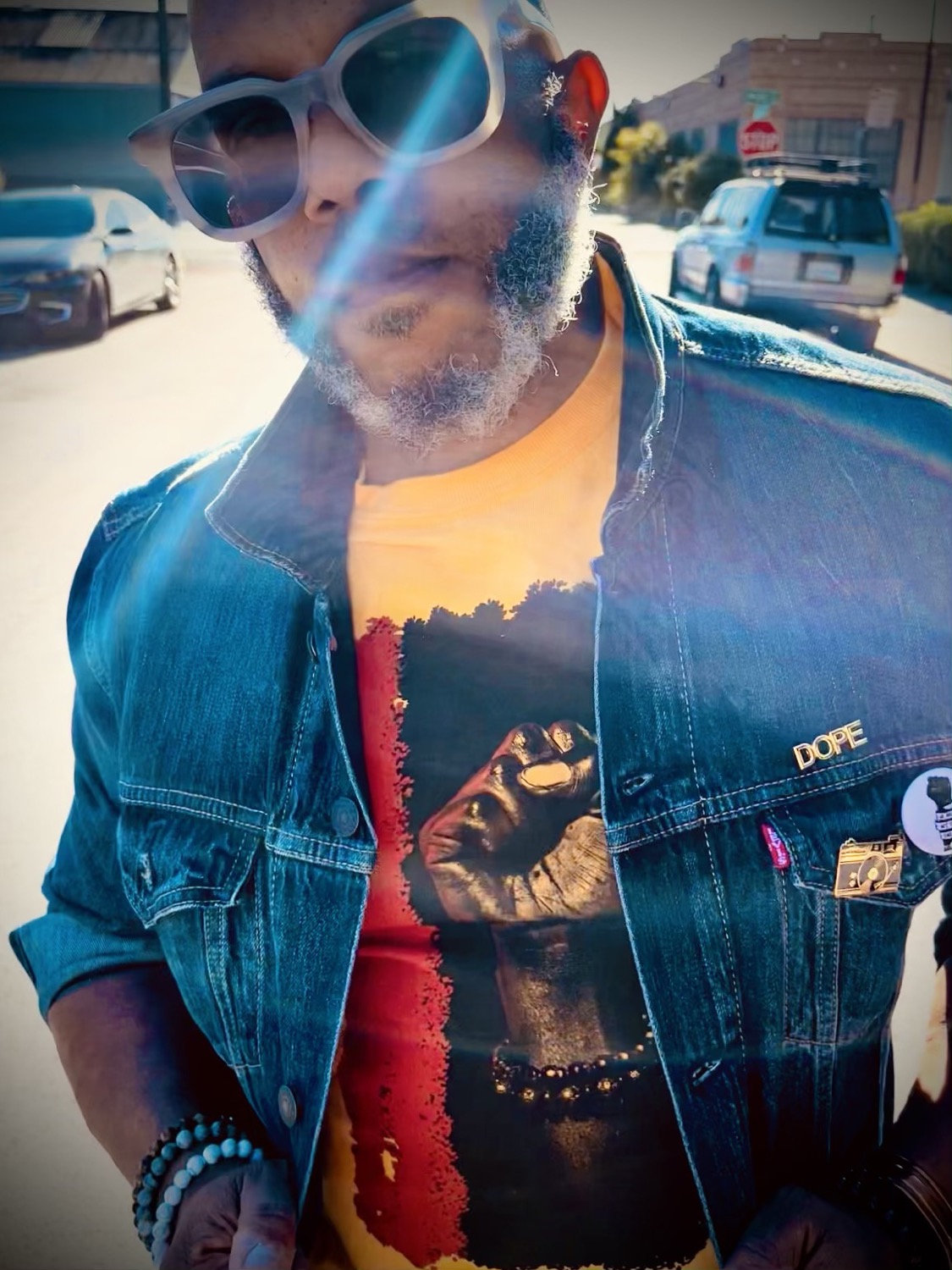
A headshot has a job to do before you ever enter the room. It may introduce you to a recruiter, a prospective client, an editor, a casting director, or someone deciding whether to click “book a call.” What makes a memorable headshot is not a dramatic pose or an expensive outfit. It is the feeling that the image gives people: this person is present, credible, and distinctly themselves.
A strong headshot is polished, but it should never feel generic. The goal is not to become a different version of yourself for the camera. The goal is to create a clear, intentional image of the person people will actually meet.
What Makes a Memorable Headshot?
Memorability comes from alignment. Your expression, wardrobe, lighting, background, and final retouching should all communicate the same message. An attorney may need calm authority. A founder may want to look focused, approachable, and ready to lead. A performer may need more range, personality, or edge. A creative director may benefit from an editorial feel that signals taste before a word is read.
When those elements compete, an image can look technically good but still be forgettable. A serious expression paired with overly playful styling can send mixed signals. A bold outfit in a busy setting may pull attention away from your face. Even beautiful lighting can miss the mark if it creates a mood that does not fit your work.
The most effective headshots make a decision. They do not try to say everything about you at once.
Expression Is the Real First Impression
People remember faces before they remember details. That makes expression the center of a memorable headshot, and it is also the part that cannot be fully faked.
A forced smile usually appears in the eyes, jaw, and shoulders. So does discomfort. The answer is not to tell every client to “relax,” because that is rarely useful direction. Good direction gives you something specific to do: soften your mouth, bring your attention toward the lens, lower your shoulders, pause between breaths, or think of the person you want to connect with.
A memorable expression is not always smiling. For some professionals, a subtle, steady look is more powerful than a wide grin. The deciding factor is whether the expression feels open rather than guarded. Confidence can be quiet. Warmth can be restrained. The camera reads both when they are genuine.
The Eyes Need a Point of View
The strongest headshots have alert eyes. They suggest that there is a real person behind the image, not someone simply complying with a photo session. This does not mean staring intensely into the lens. It means being mentally engaged.
Before a session, consider what you want someone to feel when they see your photo. Reassured? Curious? Inspired? Ready to trust you? That intention changes the way you carry your face, and it gives the photographer a better place to direct from.
Good Lighting Shapes, It Does Not Distract
Lighting can make a headshot feel corporate, cinematic, soft, energetic, intimate, or editorial. It should flatter your features while supporting the role the image needs to play.
Soft, even lighting is a reliable choice for LinkedIn, company bios, and executive profiles because it keeps the focus on your expression. More directional light can add dimension and a stronger fashion-forward presence, especially for artists, founders, and creative professionals. Neither approach is automatically better. It depends on your audience and where the photograph will live.
A memorable headshot also respects skin texture. Overly flat lighting and heavy retouching can erase character. On the other hand, harsh light without intention can emphasize features in ways that feel unflattering or disconnected from your brand. The right balance is refined, dimensional, and believable.
Background matters here too. A clean studio backdrop offers flexibility and keeps your face front and center. An environmental portrait can add context, such as an architect in a considered workspace or a chef in a polished kitchen. But context should clarify your story, not turn your headshot into a scavenger hunt of visual details.
Wardrobe Should Frame Your Face
The best outfit for a headshot is rarely the loudest thing in your closet. It is the piece that makes you stand taller and keeps attention where it belongs: on your face.
Solid colors, subtle texture, and well-fitting layers often photograph well because they add shape without visual noise. Consider the contrast between your clothing, skin tone, hair, and background. If everything is similar in value, the image can feel flat. If every element competes, it can feel busy.
Your wardrobe should also match the level of polish expected in your field. A tech founder does not need to dress like a finance executive, and a musician does not need to look like either one. Still, the clothing should feel intentional. Wrinkled fabric, stretched collars, distracting logos, and poorly fitted jackets tend to show up quickly in a final image.
Bring options when possible. A jacket can create a more formal frame. Removing it can make the image feel more personal. One wardrobe adjustment can give you two distinct looks without changing the entire visual story.
The Difference Is Often in the Direction
Most people are not professional models. They should not need to be. A memorable headshot comes from a photographer who notices small adjustments and knows how to translate them into clear guidance.
A slight turn of the shoulders can create better posture. Moving the chin forward by an inch can define the jawline. Shifting weight can change the energy from stiff to grounded. These details matter, but they are not about chasing perfection. They are about helping your natural presence read clearly on camera.
The session should have momentum. When you receive confident direction, you spend less time wondering what to do with your hands or whether your smile looks right. That space makes room for personality, which is where the strongest images begin.
At MooD-ology Photography, the headshot process is built around that balance of professional purpose and art direction. A clean, commercial-ready image can still have texture, confidence, and a point of view.
Retouching Should Look Like You on a Great Day
Retouching is part of a polished finish, but restraint is what keeps a headshot trustworthy. Temporary distractions such as a blemish, flyaway hairs, or under-eye shadows may be softened. The goal is not to remove every line, pore, or sign of life from your face.
When editing becomes too aggressive, people may not recognize you when you walk into a meeting. That creates a gap between your image and your real-world presence. A memorable headshot closes that gap. It presents you at your best while keeping the person in the photograph recognizable.
This is particularly important for professionals using one image across LinkedIn, websites, press features, speaker pages, and social channels. Consistency builds recognition. A photo that looks authentic remains useful longer than one built around a short-lived editing trend.
Give the Image a Clear Use Case
Before booking a headshot, decide where it needs to work. A close, welcoming crop may be ideal for LinkedIn and a company team page. A wider portrait with negative space can work better for press layouts, website banners, or marketing materials where text will sit beside the image.
You may need more than one final selection if you move between professional worlds. An executive bio photo, an entrepreneurial branding image, and a creative portfolio portrait can share the same visual foundation while carrying different energy. That does not require inventing a new identity for each platform. It requires making smart choices about crop, wardrobe, expression, and setting.
For Bay Area professionals, the strongest headshots often sit at the intersection of polish and personality. They look prepared for a serious opportunity, but not overly packaged. They communicate that you know your value and are comfortable being seen.
Your headshot does not need to impress everyone. It needs to make the right people pause, recognize your presence, and feel ready to know more. Start there, show up as yourself, and let the details support the person you already are.


Comments