
Photo Usage Rights: What Clients Can Actually Use
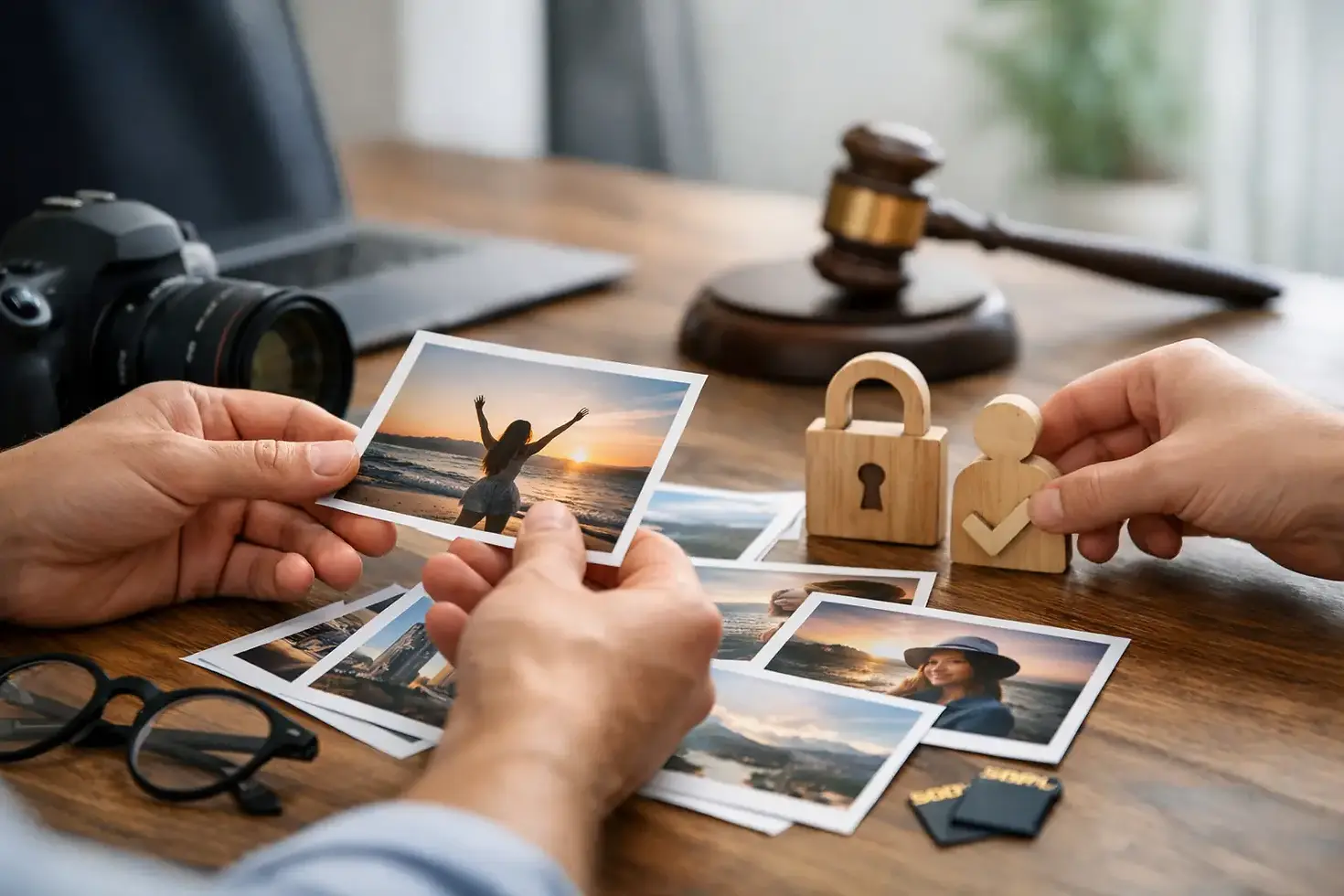
A great photo can work harder than the session itself. It can introduce your business before a meeting, shape a first impression on LinkedIn, sell a service, support a press feature, or become the image people remember from your wedding. But photo usage rights determine whether you can use that image in the places that matter to you.
For Bay Area professionals, founders, artists, and couples, the issue is rarely whether you want to share your photos. The real question is whether your agreement allows that specific use. A polished headshot on a personal profile, for example, is not the same as using the image in a paid campaign for your company.
What Photo Usage Rights Actually Mean
Photo usage rights are the permissions that explain how a client may use the final images. They are usually granted through a license in the photography agreement. The license may define where images can appear, whether the use is personal or commercial, how long the permission lasts, and whether another person or company can use the files.
Copyright and usage rights are connected, but they are not interchangeable. In most professional photography arrangements, the photographer retains copyright. That means the photographer owns the creative work unless the agreement explicitly transfers ownership. The client receives a license to use the images in agreed-upon ways.
That arrangement is common because it protects both sides. The photographer keeps control of the work from an authorship and portfolio standpoint. The client gets clear, practical permission to use the images without wondering whether every post, print piece, or website update needs a separate conversation.
The details matter more than the label. A contract that says "digital images included" is not necessarily a complete answer. Ask what rights come with those images.
Personal Use and Commercial Use Are Different Lanes
Personal use usually covers sharing images with friends and family, posting on personal social media, printing photos for your home, or creating holiday cards. For a wedding gallery, that is often the core purpose of the photographs. Couples generally need the freedom to relive and share their day without turning the images into advertising assets for a business.
Commercial use is tied to promoting, selling, or representing a business, product, service, or professional identity. A founder placing a portrait on their company website, an executive using a headshot in a speaker bio, or a designer publishing an image in a portfolio are all using photography commercially or professionally.
There is some gray area. A personal Instagram account may feel casual, but if it regularly promotes your services, drives inquiries, or features sponsored content, it may function as a business channel. The same applies to a creator's account, a performer's press materials, or an entrepreneur's personal brand. The most useful approach is to describe the planned use before the shoot, rather than trying to classify it after the fact.
For a branding session, commercial use is usually expected. Still, it should be specific enough to fit your needs. Website, social media, email marketing, press materials, presentations, printed brochures, and business listings are common uses. If you expect to run paid advertising, license the images to a franchise, use them on product packaging, or place them on a billboard, say so early. Those uses can carry a broader value and may require different terms.
Rights Should Match the Scope of the Project
A good photo license is not about limiting a client for the sake of it. It is about matching permission to the real scale of the work.
A professional headshot package may include broad promotional use for the person photographed. That makes sense when the image will appear on LinkedIn, a company bio, a conference page, and an industry article. A campaign built for a national brand, however, may involve a larger audience, longer run time, paid media spending, agency partners, and multiple deliverables. Its license should reflect that expanded use.
Consider these questions before booking or approving an estimate:
Which person, business, or organization will use the images?
Where will the images appear: website, social media, print, press, advertising, packaging, or outdoor media?
Will the images support organic content only, or paid advertising too?
Is the permission for a limited campaign period or ongoing use?
Does anyone else need access, such as a marketing agency, employer, publisher, sponsor, or venue?
Do you need exclusivity, meaning the photographer cannot license similar work to another client in a defined market?
The answers create a cleaner brief and a more accurate quote. They also prevent the frustrating situation where a business falls in love with an image, then learns it needs expanded permission right before a campaign launch.
The People in the Image Have Rights Too
Usage is not only about the photographer and the client. It can also involve the people pictured.
For recognizable individuals, a model release may be needed when photos will be used commercially. A release is the subject's permission for their likeness to be used in a stated way. This is especially relevant for branding imagery that includes employees, customers, hired talent, or collaborators.
A team photo may be simple to create, but it becomes more complicated if an employee leaves and the business continues to use their likeness in major advertising. The right release can clarify expectations, while a thoughtful image plan can reduce future problems. Some brands intentionally create a mix of leadership portraits, team photos, detail shots, and environment images so their visual identity does not depend on one person forever.
Locations, artwork, recognizable property, and trademarks can also affect commercial use. An editorial-feeling portrait in a public place may look incredible, but using it to advertise a product can introduce permissions questions that do not apply to a personal post. This does not mean every creative setting is off-limits. It means the usage plan should inform the production plan from the beginning.
Social Media Does Not Erase the License
Posting an image online is still a form of use. Social platforms have their own terms regarding uploaded content, but those terms do not automatically give a client unlimited rights beyond what the photographer licensed.
For most portrait, headshot, and wedding clients, social sharing is an expected part of the experience. The important distinction comes when a business repurposes an image beyond its agreed use. A photo that was licensed for a founder's personal profile should not automatically be handed to a partner brand, added to a sponsored campaign, or sent to a publisher for commercial promotion.
Credit is another area worth discussing. Some photographers request or appreciate a credit when images are posted, especially for editorial or creative work. A credit is not a substitute for a license, and a license is not always dependent on credit. Your agreement should state what is expected so posting stays easy and professional.
Do Not Assume a Third Party Is Covered
One of the most common misunderstandings is assuming that if you have permission to use a photo, everyone connected to you has the same permission.
A business may license images for its own marketing, while its agency is allowed to handle the files only on the business's behalf. That does not necessarily mean the agency can reuse the images for its own promotion. Likewise, an event sponsor, publication, venue, employer, or collaborator may need separate permission depending on the agreement.
This matters often in weddings and events. A couple may have personal sharing rights, while vendors want to post the work to promote their services. In branding work, a founder may have permission to use their portrait, but the company, their new employer, or a conference organizer may need clearly defined usage. These are manageable details when discussed upfront. They become messy when files are passed around after the shoot with no paper trail.
Read the Agreement Before the Camera Comes Out
The best time to discuss usage is before the session, when choices are still easy to make. Be direct about your goals. If you are building a new website, launching a service, updating your press kit, or planning a campaign, say so. A photographer can then recommend the right session structure, deliverables, releases, and license.
When reviewing an agreement, look for who owns copyright, who receives the license, the allowed uses, any prohibited uses, the license duration, territory, exclusivity terms, credit requirements, and whether edits are permitted. Ask whether you may crop images for platform formats, add text overlays, or have a designer retouch them. Those are ordinary business needs, but the permission should be clear.
For high-stakes campaigns, paid media, or images featuring multiple people, consider having legal counsel review the terms. Photography agreements are business documents, not a place to rely on assumptions or a quick text message.
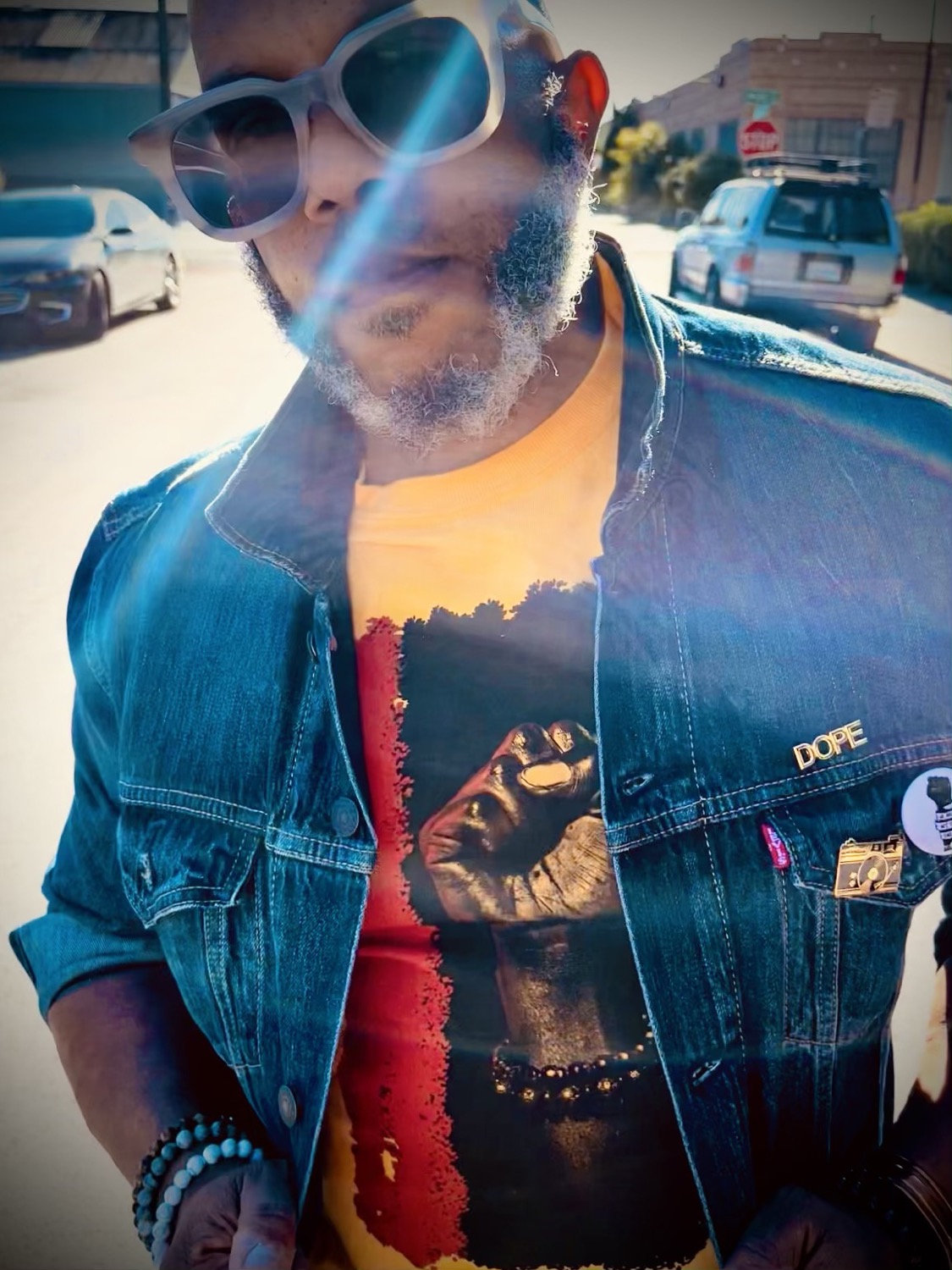
At MooD-ology Photography, the strongest sessions begin with a clear vision for where the images will live. That is how art-directed photography stays useful long after shoot day - from an Oakland studio portrait to a brand image that belongs on a larger stage.
Your photos should give you confidence when it is time to show up. Clear rights give you the confidence to use them.



Comments