

How to Plan a Brand Photoshoot That Looks Like You
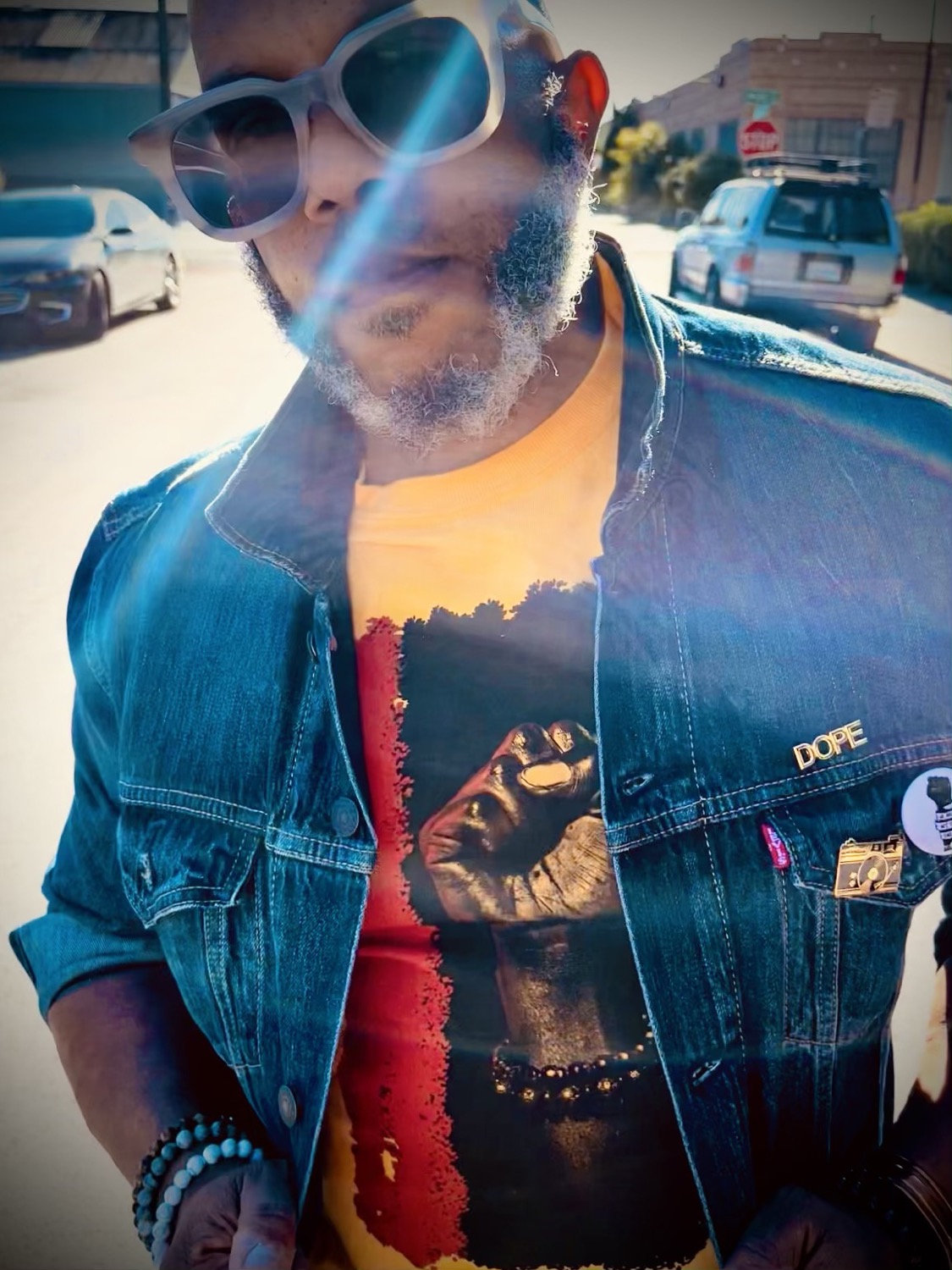
A brand photoshoot should not leave you with a folder of attractive images and no idea where to use them. When you plan a brand photoshoot with intention, every frame has a job: introduce your work, establish trust, show your personality, or give your next launch a visual point of view.
For founders, creatives, consultants, and public-facing professionals, that distinction matters. Your images often speak before your bio, pitch deck, or first conversation gets the chance. The goal is not to look like someone else’s version of polished. It is to look unmistakably prepared, credible, and like yourself.
Start With What the Images Need to Do
Before selecting outfits or building a mood board, get specific about where the photographs will live. A website homepage calls for a different kind of image than a LinkedIn profile, a speaking announcement, an editorial feature, or a week of social content.
Think beyond the standard headshot. You may need a confident, direct portrait for your About page; horizontal images with open space for website copy; process shots that show you working; and detail images that add texture to a campaign. If you sell a physical product, you may also need images of your product in use, not simply placed against a plain background.
A useful starting point is to identify the next three to six months of visibility needs. Are you refreshing your website? Announcing a new service? Preparing for media opportunities? Building a stronger personal brand while looking for leadership roles? Those answers shape the shot plan and prevent the session from becoming a collection of disconnected poses.
Define the Feeling Before You Choose the Look
“Professional” is not a creative direction. It can mean clean and corporate, fashion-forward and editorial, warm and approachable, quietly luxurious, playful, or sharply minimal. Each choice affects wardrobe, location, lighting, color, posing, and even how much movement belongs in the final images.
Write down three to five words that describe how you want people to experience your brand. For example: composed, innovative, grounded, expressive, and premium. Then add a second list of words that do not fit. If your work is thoughtful and highly personal, images that feel overly stiff or generic may work against you. If you lead a financial firm, an overly casual visual style may undercut the confidence clients are looking for.
This is where reference images help, as long as you use them correctly. Save examples for their lighting, posture, setting, framing, or color palette. Do not expect to recreate another person’s campaign exactly. The strongest brand photography borrows a visual language while keeping the subject, story, and business distinctly yours.
Build a Shot List That Includes Range
A thoughtful shot list gives the photographer a clear brief while leaving room for moments that happen naturally on set. It should cover both practical needs and visual variety.
Include at least these categories:
A primary portrait that can work for your website, press, and professional profiles
Vertical and horizontal compositions for social posts, banners, and website sections
Wider frames with negative space for headlines, announcements, or graphic overlays
In-action images that show your process, service, craft, or point of view
Detail shots of tools, products, hands, workspace, or styling elements that support the story
A few more expressive portraits that give the brand dimension beyond a standard headshot
Not every business needs every category. A therapist may prioritize warmth, privacy, and a calm office environment. A stylist, performer, or designer may need stronger movement and a more fashion-led visual identity. A consultant with an upcoming speaking calendar may need a mix of executive polish and candid working images. The point is to create a useful image library, not force every brand into the same formula.
Choose a Location That Supports the Message
The right setting should add meaning, not visual noise. A studio is often the best choice when you need controlled lighting, clean backgrounds, consistent color, and a versatile set of professional images. It is especially effective for headshots, product-forward work, and a polished editorial feel.
An office, storefront, home workspace, or outdoor Bay Area location can be more appropriate when the environment is part of your story. A chef may need the energy of a kitchen. An architect may need materials, plans, and physical space in the frame. A wellness professional may benefit from an environment that feels human and grounded rather than overly corporate.
Consider the trade-off. Location shoots can provide character, but they also bring weather, crowds, changing light, permits, and distractions. A studio gives you more control. If you need both clean brand portraits and environmental content, splitting the session between two nearby settings can create range without turning the day into a production marathon.
Style for the Camera, Not Just the Mirror
The outfit that feels right in daily life may not always translate the way you expect on camera. Start with clothing that fits well, allows you to move, and reflects your actual professional world. If you would never wear a suit jacket with exaggerated shoulders to meet a client, do not make it your entire brand identity for one afternoon.
Solid colors, rich neutrals, and intentional texture generally photograph well. Avoid tiny high-contrast patterns, prominent logos, and fabrics that wrinkle immediately. Bring options, including layers, because a jacket, overshirt, or structured accessory can create an entirely different look without needing a full reset.
Personal style should remain visible. Jewelry, glasses, a signature color, a favorite silhouette, or a meaningful object can make an image feel authored instead of assembled. The key is editing. Choose a few elements with purpose rather than competing statements in every frame.
Hair, grooming, and makeup should support how you want to appear in real life, just more camera-ready. Makeup is not required, but shine control, defined features, and even skin tone can make a difference under professional lighting. Schedule any haircut, color appointment, facial, or grooming service far enough ahead that you feel settled, not freshly altered.
Give Yourself Enough Time on Shoot Day
Rushing shows up in the photographs. Give yourself room to arrive, settle into the space, change outfits, and get comfortable in front of the camera. The first few minutes are often about finding your rhythm, especially if you are used to being the person behind the business rather than in front of the lens.
You do not need to know how to pose. You do need to communicate. Tell your photographer if you prefer more direction, if you have an angle you feel confident about, or if there is something you want to avoid. A good photographer will guide posture, expression, hands, movement, and framing so the images look natural without feeling accidental.
Bring the practical items that belong in the frame: your laptop, product samples, sketchbook, branded packaging, tools, or a small selection of props. Leave anything that feels like a prop for the sake of having one. A coffee cup can look believable if it is part of your real workday. It can look forced if it is the only idea in the room.
Plan for More Than One Platform
Strong imagery earns its value through repetition. Once the gallery is delivered, do not reserve your favorite photo for a single profile update. Build it into your website refresh, newsletter header, launch announcement, media kit, proposal template, social posts, and speaking materials.
This is also why composition matters. A beautiful close crop may be perfect for Instagram but unusable for a website banner. An image with room beside you may feel less dramatic in a gallery, yet become the most valuable file when a designer needs space for copy. Ask for a mix, then organize the final selections by use case.
For clients who want commercial polish with a more expressive visual edge, MooD-ology Photography approaches branding sessions as art-directed storytelling, not a quick batch of profile pictures. The result should feel considered enough for a campaign and flexible enough for the everyday work of being visible.
Let the Work Be Seen
The best time to plan your session is usually before the pressure point arrives. Do it before your new site goes live, before your press feature is confirmed, before you need to announce the offer you have been building quietly for months.
Show up with a clear purpose, a few strong visual instincts, and enough room to be directed. The camera does not need a performance. It needs a version of you that is ready to be recognized.



Comments